Seven days in Ireland sounds like plenty of time until you start planning. Dublin, Galway, the Cliffs of Moher, Ring of Kerry, Dingle: the list of must-sees is long, and Ireland is small but not that small. Some roads are narrow, distances take longer than Google Maps suggests, and you’ll want time to actually enjoy places rather than just tick them off as you rush through, frenetically.
The itinerary I’m going to lay out here is doable, and it’s the classic route that most people in my Facebook group prefer, but I’ll be very honest: it’s packed. You’ll be changing accommodation most nights, driving 2 to 3 hours (or more) some days, and making compromises about what to skip. If you can stretch to 8 or 10 days, do it. But if 7 days are what you have, this route covers Ireland’s highlights without feeling completely frantic.
You’ll need a car for this itinerary. Public transport doesn’t reach most of these places efficiently, and trying to do this route without a car means missing the best bits. Read my complete guide to renting a car in Ireland for how to book and some tips if you’re nervous about driving on the left.
The Route Overview.
This is a clockwise loop starting and ending in Dublin:
- Days 1-2: Dublin
Day 3: Dublin → Glendalough → Kilkenny
Day 4: Kilkenny → Cashel → Killarney (Ring of Kerry base)
Day 5: Ring of Kerry loop
Day 6: Killarney → Dingle → Slea Head Drive
Day 7: Dingle → Cliffs of Moher → Doolin → Galway
Day 8: Galway → Dublin Airport (early morning drive)
**Total: **7 nights, covering roughly 1,100km of driving.
Why clockwise?
If you’re new to driving in Ireland, this route will ease you into Irish driving with motorways before narrow coastal roads, and you finish in Galway (lively, fun) rather than scrambling back to Dublin on your last night.
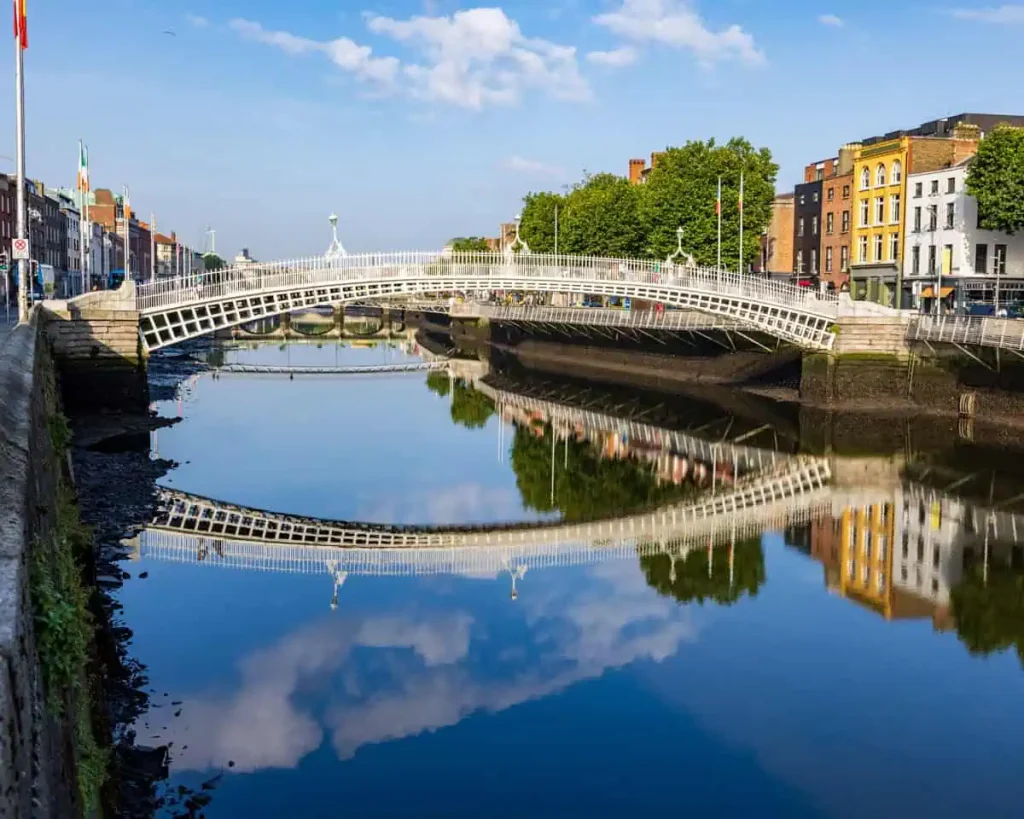
Day 1-2: Dublin
Overnight: Dublin (2 nights) - read my guide to areas and where to stay in Dublin.
Most international flights arrive in Dublin, and you’ll need at least a day to a day and a half to see the city properly. If you arrive early in the morning (most North American flights land around 6-7am), you can’t check into hotels until 2-3pm anyway, so use the morning to walk around and shake off jet lag.
What to See
Trinity College and the Book of Kells - Ireland’s oldest university, home to the 9th-century illuminated manuscript and the stunning Long Room library. Book tickets online to skip queues.
Temple Bar area - Yes, it’s touristy, but worth walking through. The cobbled streets are pretty, even if the pubs are mahoosively overpriced. Have one pint for the vibes, then move on.
Dublin Castle - Seven centuries of history in the heart of the city. Tours take about an hour. Private tours are available.
St. Patrick’s Cathedral - Ireland’s largest cathedral, dating to 1191. Jonathan Swift (Gulliver’s Travels) was Dean here.
Guinness Storehouse or Jameson Distillery - Pick one. Both are well-done tourist experiences with rooftop bars. Guinness Storehouse has better views; Jameson has whiskey tastings.
Evening: Dublin’s pub culture is the real draw. Try Kehoe’s or the Brazen Head (Dublin’s oldest pub, dating to 1198) for traditional atmosphere. For live music, the Cobblestone in Smithfield is excellent if you want authentic sessions rather than staged performances.
Where I’d Stay in Dublin
Brooks Hotel - 4-star boutique on Drury Street, walkable to Trinity College and Dublin Castle, excellent whiskey bar, central without Temple Bar noise. Book it here >
For more detailed recommendations on where to stay, what to see, and where to eat, read my complete Dublin travel guide.
Day 3: Dublin → Glendalough → Kilkenny
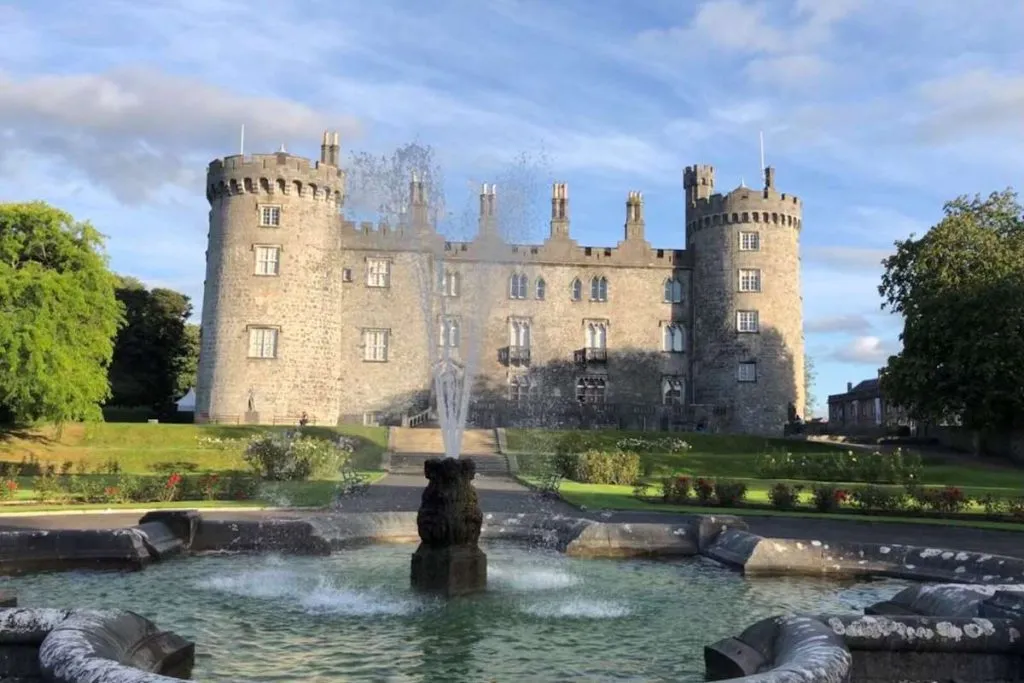 Kilkenny Castle - Courtesy Antoinette Reilly
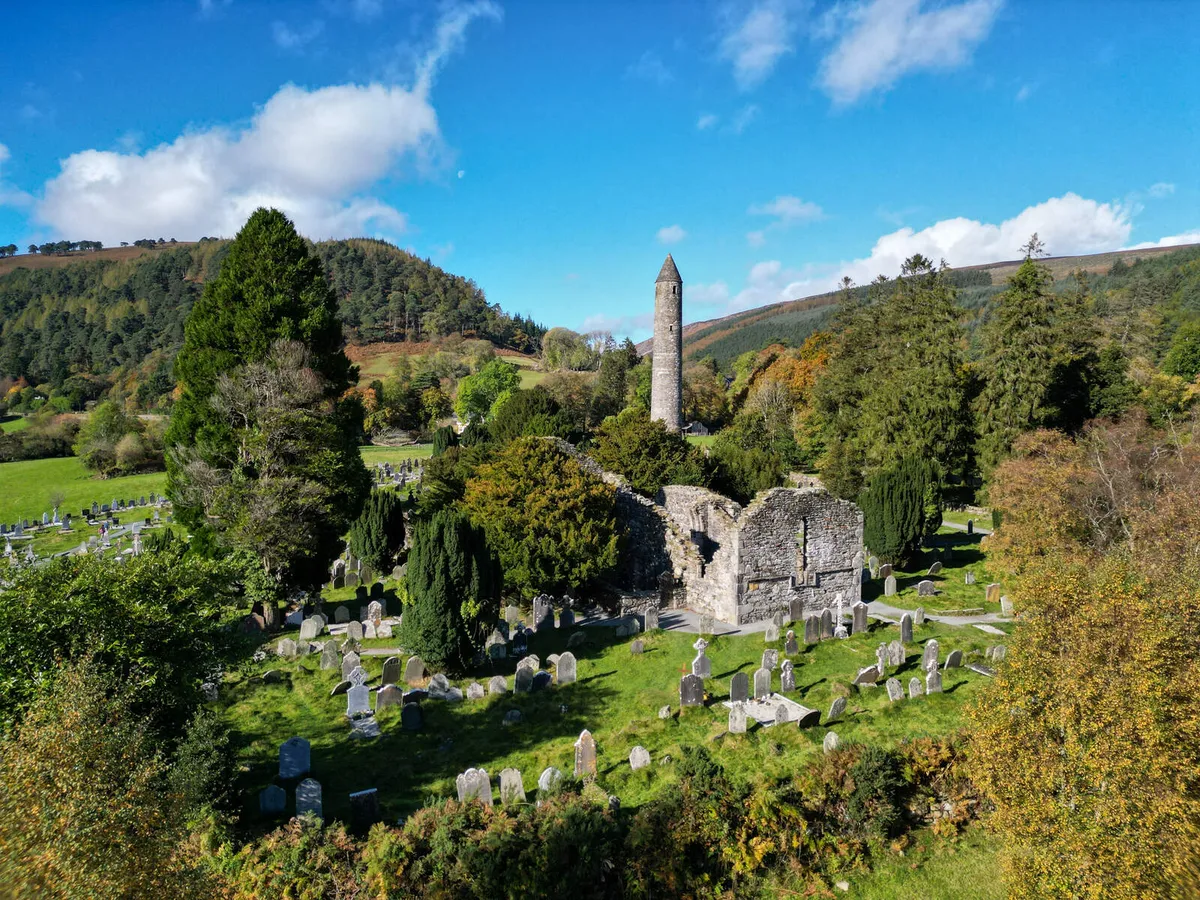
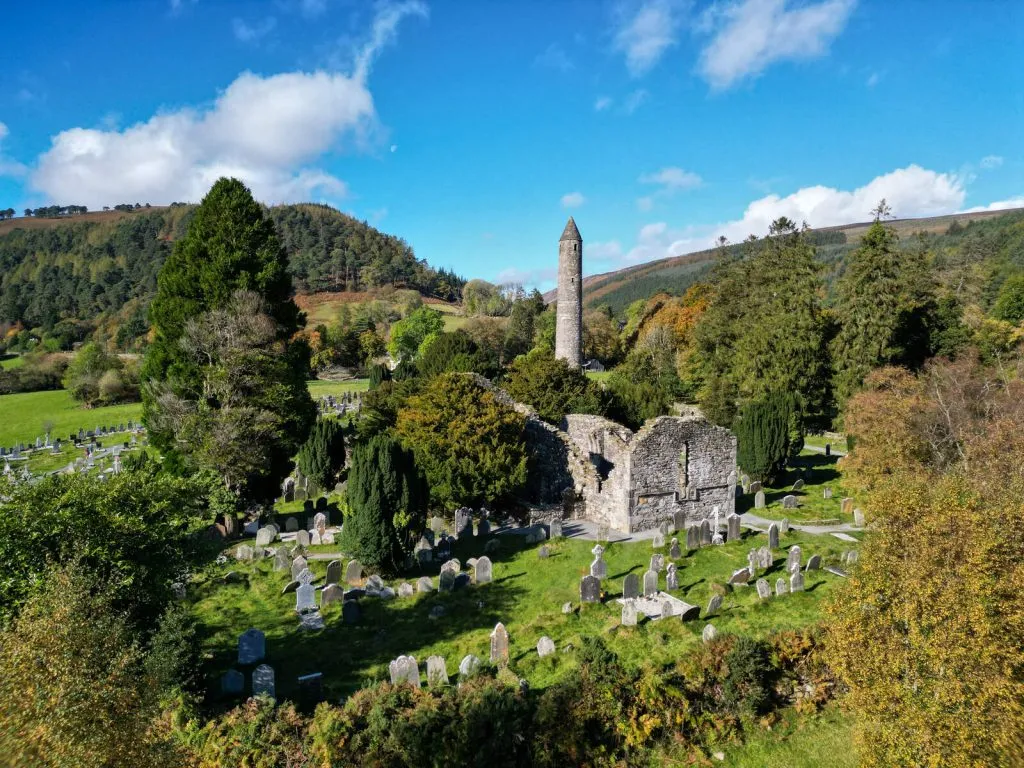 A gorgeous aerial photo of Glendalough - Courtesy Fáilte Ireland
Driving: 2.5 hours total (with Glendalough stop)Overnight: Kilkenny
Leave Dublin mid-morning and head south into County Wicklow. Your first stop is one of Ireland’s most photographed sites.
Glendalough
Glendalough is a 6th-century monastic settlement in a glacial valley surrounded by mountains and lakes, associated with St Kevin. I’ve been lucky enough to film a music video here when I was part of the Irish choral group, Anuna. It’s stunning and worth the stop. The round tower, stone churches, and graveyard are really atmospheric (hence the music video), especially early in the morning before tour buses arrive.
Park at the visitor centre (there’s a fee), walk through the monastic site, then follow the path to the Upper Lake. The walk takes about 30 minutes each way and gives you views of the valley and waterfalls. If you’re short on time, just see the monastic site - it’s the main draw.
Time needed: 1.5 to 2 hours
Kilkenny
Continue south to Kilkenny, which is such a beautiful and small medieval city with a castle, narrow lanes, and great pubs. Check into your accommodation, then explore the centre on foot.
Kilkenny Castle overlooks the River Nore and dates to 1195. The gardens are free to wander; castle tours cost extra but are worth it if you’re interested in Irish history.
Walk down the medieval mile towards St. Canice’s Cathedral. Climb the round tower (9th century) for views over the city - it’s steep but only takes 10 minutes.
Evening: Kilkenny has excellent pubs. Kyteler’s Inn is atmospheric (built in 1324), and Cleere’s often has live music. For food, Campagne and Zuni are both reliably good.
Where I’d Stay in Kilkenny
Kilkenny Hibernian Hotel - 4-star in Victorian building, walking distance to castle, central location for exploring on foot. Book it here >
For more detail on what to see and where to stay, see my guide to Kilkenny.
Day 4: Kilkenny → Rock of Cashel → Killarney
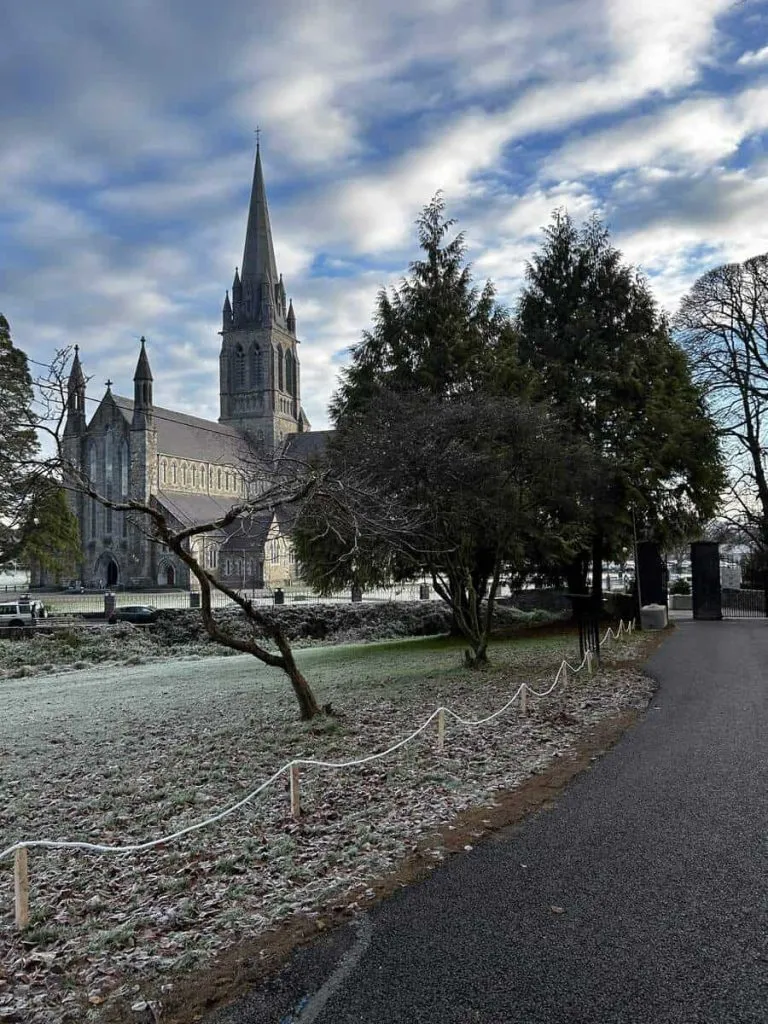
Driving: 2.5 hours total (with Cashel stop)Overnight: Killarney (2 nights)
Today takes you from medieval Kilkenny into County Kerry, arguably Ireland’s most scenically dramatic region (Donegal might have some arguments to be fair!). You’ll base yourself in Killarney for two nights, which means you can unpack properly for once.
Rock of Cashel (Optional Stop)
The Rock of Cashel is a 90-minute drive from Kilkenny and sits dramatically on a limestone outcrop above the town. This was the seat of the Kings of Munster before being granted to the church in 1101.
The ruins include a round tower, Gothic cathedral, Romanesque chapel, and high cross. The views from the top stretch for miles across Tipperary farmland. Book tickets online via Heritage Ireland if visiting during summer - it gets busy.
Time needed: 1 to 1.5 hours
Killarney
Continue on to Killarney, a busy tourist town that acts as a base for the Ring of Kerry and Killarney National Park. The town itself is very pleasant and there’s a decent range of accommodation. I’ve always had great craic in Killarney, but the real star is the scenery nearby, so it’s the perfect base.
If you arrive with time to spare, drive 10 minutes to Ross Castle on the edge of Lough Leane. It’s a 15th-century tower house that you can tour, and the lakeside setting is lovely. Muckross House and Torc Waterfall are also nearby if you want to start exploring the national park.
Evening: Killarney has plenty of restaurants and pubs. The Laurels and Cronin’s are reliable for food and often have live music.
Where I’d Stay in Killarney
Randles Hotel - 4-star on Muckross Road, short walk to town, right at National Park doorstep, family-owned since 1992, IASI Gold award winner. Get prices here >
Day 5: Ring of Kerry
Driving: 180km loop (plan for 5-6 hours with stops)Overnight: Killarney
The Ring of Kerry is a 180km coastal loop around the Iveragh Peninsula. It’s one of Ireland’s most famous drives, and on a clear day, it’s spectacular. On a misty day, it’s atmospheric. On a rainy day with low clouds, you won’t see much, but that’s the risk.
Drive the loop anti-clockwise (opposite to tour buses) starting from Killarney. The route goes: Killarney → Killorglin → Glenbeigh → Cahersiveen → Waterville → Caherdaniel → Sneem → Kenmare → back to Killarney.
RING OF KERRY
Key Stops
Ladies View (15 minutes from Killarney) - Viewpoint over the lakes and mountains. Named after Queen Victoria’s ladies-in-waiting who were impressed by the view in 1861.
- Moll’s Gap - Mountain pass with views of Macgillycuddy’s Reeks, Ireland’s highest mountain range.
- Kenmare - Charming town, good for coffee or lunch. Less touristy than Killarney.
- Staigue Stone Fort - 2,000-year-old circular stone fort. Small detour but worth it if you like ancient sites.
- Derrynane Beach - One of Kerry’s most beautiful beaches. Good for a walk if weather permits.
- Caherdaniel/Waterville - Coastal villages with pubs and cafés for lunch stops.
- Kerry Cliffs (near Portmagee) - 300-metre-high cliffs with views of the Skellig Islands. Less crowded than Cliffs of Moher and arguably more dramatic.
- Valentia Island - Connected by bridge near Portmagee. Drive to the Geokaun viewpoint for stunning views over the Atlantic.
Evening: Back in Killarney. You’ll be tired from driving, so find a pub with good food and relax.
Day 6: Killarney → Dingle Peninsula
Driving: 1.5 hours (Killarney to Dingle town) + Slea Head loopOvernight: Dingle
Leave Killarney and head west over the Conor Pass (Ireland’s highest mountain pass) into Dingle. If you’re nervous about narrow mountain roads, take the longer route via Tralee - it’s easier driving but less scenic.
Dingle Town
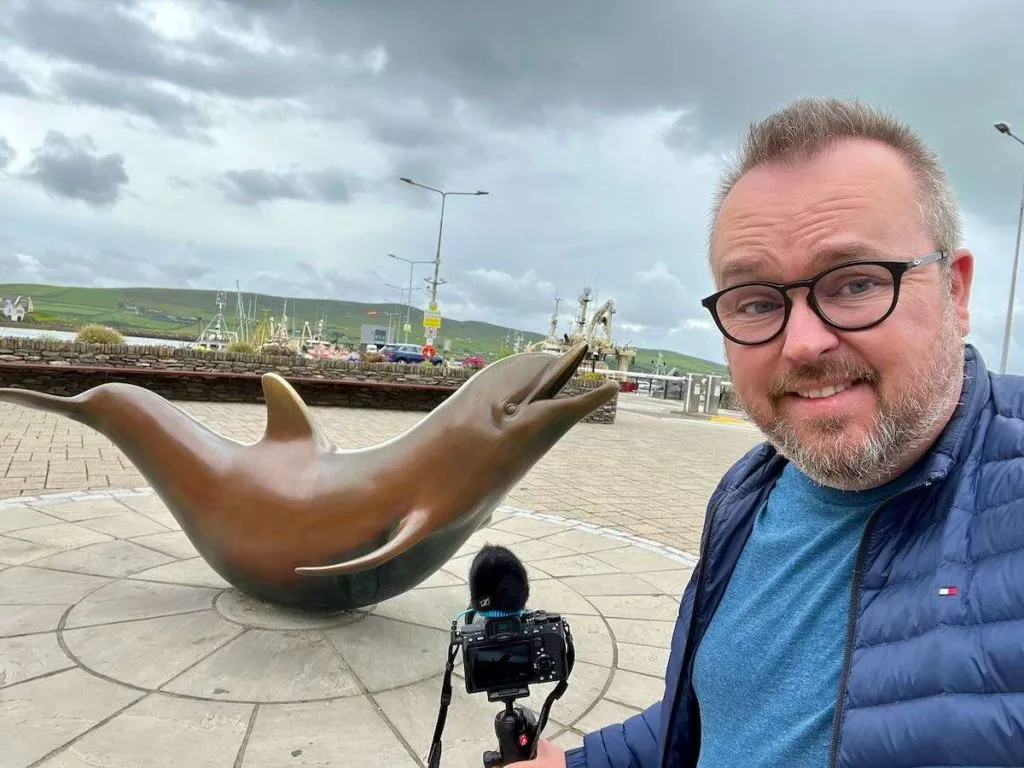
Dingle is a working fishing town with colourful buildings, excellent seafood restaurants, and traditional pubs with nightly music sessions. It’s smaller and more authentic than Killarney, and you’ll want to spend time here beyond just using it as a base.
Park near the harbour and walk around the town. Grab lunch at Out of the Blue (seafood) or the Fish Box. If you need coffee, Bean in Dingle is excellent.
Slea Head Drive
The Slea Head Drive is a 47km loop west of Dingle town, hugging the Atlantic coast with views of the Blasket Islands. It’s one of Ireland’s most beautiful coastal drives and far less crowded than the Ring of Kerry.
Key stops:
- Ventry Beach - Wide, sandy beach good for a walk.
- Slea Head viewpoint - The westernmost point of the drive, with views of the Blasket Islands.
- Dunquin Pier - Steep zigzag pier used for ferries to the Blasket Islands. Iconic and photogenic.
- Coumeenoole Beach - Small, dramatic beach surrounded by cliffs. Often windy.
- Dún Aonghasa replica sites - Several prehistoric stone forts along the route.
The full loop takes 2 to 3 hours with stops. Roads are narrow and winding with occasional tour buses, so drive slowly and pull into passing places when needed.
Where I’d stay in Dingle
Dingle Benners Hotel - 4-star in the centre of town, walkable to everything, award-winning breakfast and afternoon tea, perfect base for Slea Head Drive. Check prices here >
Evening: Dingle’s pub scene is excellent. Dick Mack’s, Foxy John’s, and An Droichead Beag all have regular traditional music sessions. For dinner, try the Chart House or Idás.
Day 7: Dingle → Cliffs of Moher → Galway
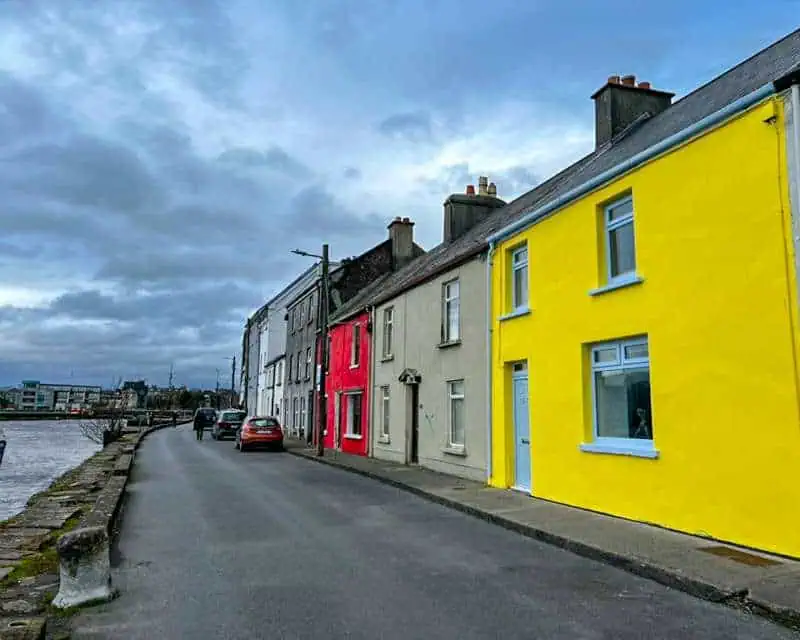 I love how each house has its own colour on this Galway street.
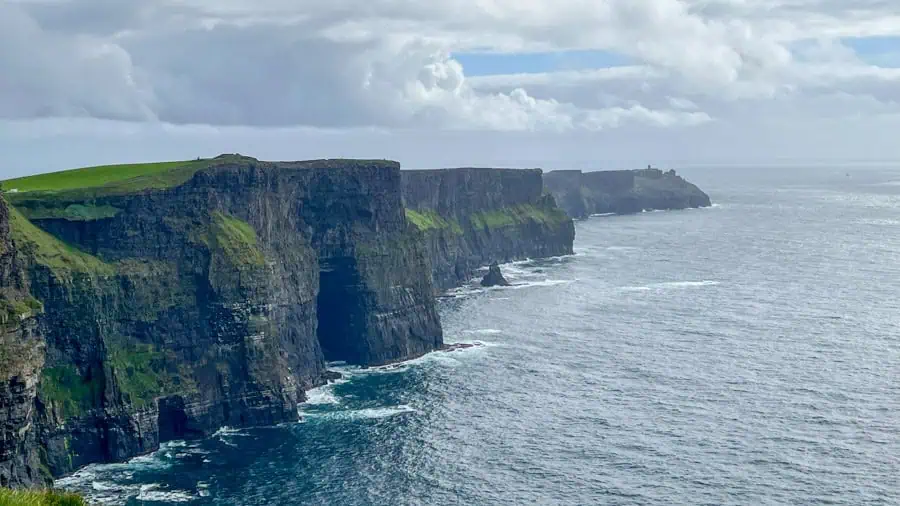 Photo by Patrick Hughes: Cliffs of Moher
Driving: 3 hours total (with Cliffs stop)Overnight: Galway
This is the longest driving day of the itinerary, so leave Dingle early. You’re crossing from County Kerry into County Clare, stopping at Ireland’s most famous cliffs, then finishing in Galway.
Cliffs of Moher
The Cliffs of Moher rise 214 metres above the Atlantic and stretch for 8km along the Clare coast. They’re Ireland’s most visited natural attraction, which means crowds, especially in summer.
Timing matters. Arrive before 10am or after 4pm to avoid peak crowds and tour buses. Early morning often has better light and fewer people. Hint: leave Dingle early!!
There’s a large visitor centre with a café and exhibitions (included in the parking fee). I rate it if you want some extra information about the area. The main viewing platform is a 5-minute walk from the car park. If you want to escape crowds, walk south along the cliff path towards Hag’s Head - it’s quieter and the views are just as good.
Please stay safe. This is a natural site and wandering off the main path can be dangerous.
Time needed: 1 to 1.5 hours
For more detail, including nearby attractions and accommodation, read my complete guide to the Cliffs of Moher.
Doolin (Optional Stop)
Doolin is a small village 10 minutes from the Cliffs of Moher, famous for traditional music. If you have time, stop for lunch at Gus O’Connor’s or McDermott’s - both serve good pub food and often have afternoon sessions.
Doolin is also the departure point for ferries to the Aran Islands. If you’re considering a day trip to the islands, you’d need to skip other stops on this itinerary - the ferry crossing and island visit take a full day. Read more about my bike tour of Inishmore, one of the Aran Islands, as well as the ancient fort at Dun Aonghasa.
Honestly, if you had an extra night, I’d stay in Doolin. The craic is mighty!
Galway
Continue north to Galway, arriving late afternoon or early evening. Galway is Ireland’s cultural capital - lively, bohemian, and packed with music, restaurants, and students. It’s the perfect place to end your trip. I’ve been visiting Galway since I was a child, and I just love it. If I could only afford a wee cottage there…
Check into your accommodation, then head to the Latin Quarter (the medieval centre) for dinner and drinks. Shop Street, Quay Street, and the surrounding lanes are where you’ll find independent shops, buskers, and plenty of pubs.
Where I’d stay in Galway
Park House Hotel - This is an easy pick. The Park House is a 4-star boutique beside Eyre Square (as central as can be), well-designed rooms, excellent restaurant, central location, books out quickly. Get prices here >
Evening: Galway’s pub scene is excellent. Tigh Coilí, The Crane Bar, and Monroe’s Tavern all have regular traditional music sessions. For dinner, try Ard Bia at Nimmo’s (great fish), Kai, or Aniar (Michelin-starred).
For detailed recommendations, read my complete Galway travel guide and guide to where to stay in Galway.
Day 8: Galway → Dublin Airport
Driving: 2.5 hoursDeparture day
If you’re flying out this morning, you’ll need to leave Galway early - allow 2.5 to 3 hours for the drive back to Dublin Airport and dropping back your rental car, factoring in rush hour traffic if you’re travelling on a weekday morning. A lot of US and Canada flights mid-morning to lunchtime.
If your flight is one of the fewer afternoon or evening options, you could stop in Athlone (halfway) for breakfast or visit Clonmacnoise, an early Christian monastery on the River Shannon. But if you’re tight on time, just drive straight to the airport and return the rental.
Alternative: Some people prefer to spend their final night in Dublin rather than Galway, which gives you more breathing room on departure day. If you choose this option, drive from Dingle to Dublin on Day 7 (stopping at the Cliffs of Moher en route), skip Galway entirely, and have a relaxed final evening in Dublin. It’s less fun but more practical if you have an early flight.
What You’re Missing
Seven days means making tough choices. Here’s what this itinerary doesn’t include:
- Northern Ireland and the Giant’s Causeway - It’s 3.5 hours from Dublin and would require at least 2 extra days to do properly. Save it for a future trip or consider a separate Northern Ireland itinerary.
- Connemara and Kylemore Abbey - Spectacular scenery west of Galway, but adding it means either cutting something else or spending more time driving on Day 7 (this could work if you keep the Cliffs of Moher super tight).
- Wicklow Mountains beyond Glendalough - Beautiful hiking and scenery, but you’re already seeing mountains in Kerry, so it’s give and take.
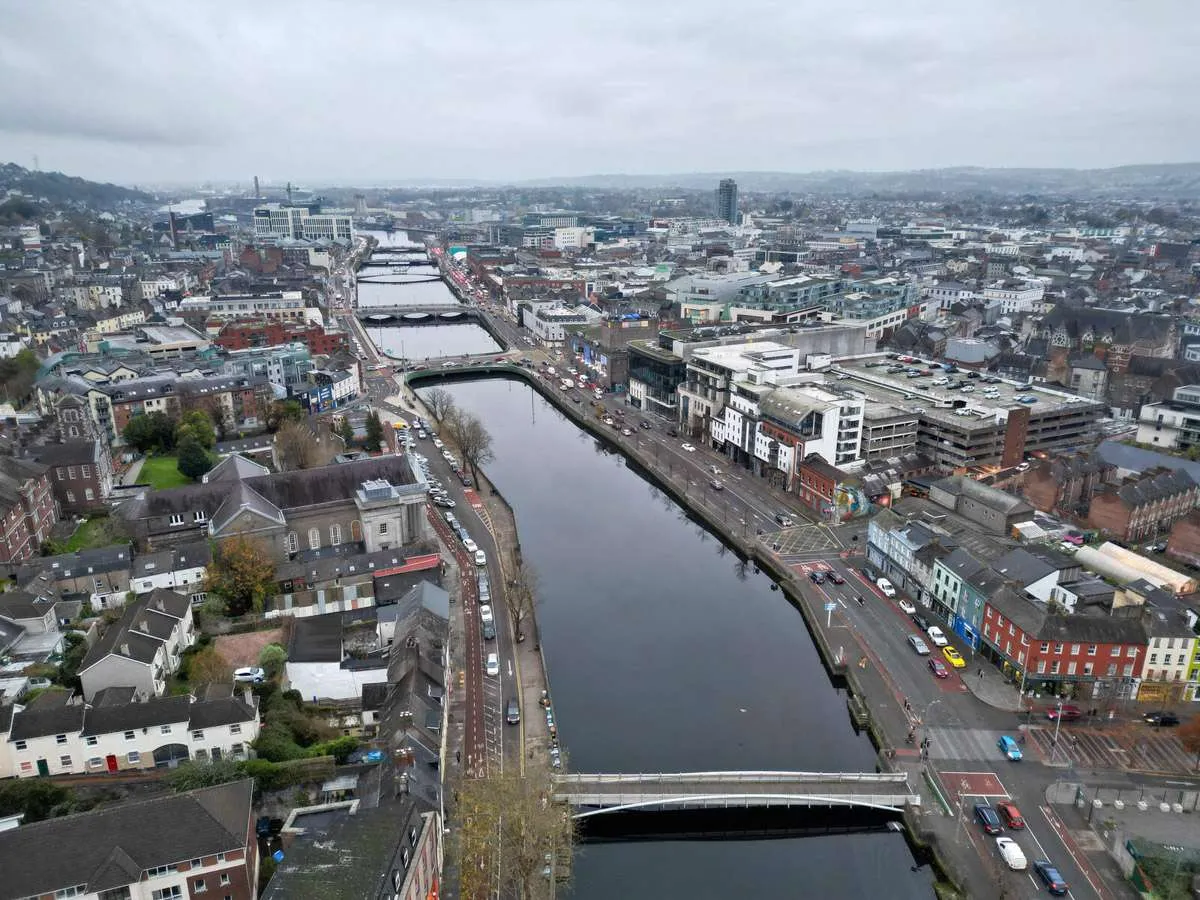
- Cork City - Ireland’s second-largest city has great food and culture but it’s hard to fit it into this tight loop.
- The Burren - Unique limestone landscape in Clare. If you have extra time on Day 7, you could detour through the Burren between Doolin and Galway, but it’s tight.
If you want to include any of these alternative options, you’ll need to cut something from the main route - most likely either the Ring of Kerry or Dingle. It’s an embarrassment of riches!
Practical Tips
Driving
Irish roads can be narrow, winding, and often bordered by stone walls or hedges. The biggest adjustment isn’t driving on the left - it’s the width of the roads and the speed of local drivers. Take your time, especially on rural roads, and use pull-in spaces to let faster traffic pass.
Quick Guide:
- Motorways (M-roads) are fine - wide, well-maintained, with tolls.
- National roads (N-roads) vary - some are good, some are narrow.
- Regional roads (R-roads) are often single-track with passing places.
Allow more time than Google Maps suggests. A journey that looks like 1.5 hours might take 2 hours once you account for narrow roads, slow-moving tractors, and stops for photos.
Read our complete guide to car rental and driving in Ireland for insurance tips, rules of the road, and rental advice.
Compare Car Rental Prices
Accommodation
Book accommodation at least 4 to 6 weeks ahead if travelling in summer (June to August) or around major holidays. September and October are also popular. Spring and winter give you more flexibility, but always book Dublin and Galway ahead - they fill up regardless of season.
Weather
Irish weather is unpredictable. We can have sunshine, rain, wind, and fog in the same day. To be fair, that’s not every day, but be prepared. Pack layers, a waterproof jacket, and comfortable walking shoes that can handle wet conditions.
Don’t let rain ruin your plans - it’s part of the experience. Some of Ireland’s best moments happen in misty, moody conditions. Read more in my Essential Packing Guide for Ireland.
When to Go
- Best weather: May, June, and September offer the best combination of decent weather and manageable crowds.
- Peak season: July and August are busiest and most expensive. Expect crowds at major attractions and fully booked accommodation.
- Shoulder season: April, May, September, and October give you better value, fewer tourists, and still-reasonable weather.
- Off-season: November to March is cheapest and quietest, but daylight is limited (sunset by 4-5pm), many rural attractions close, and weather is cold and wet.
Read my complete guide to the best time to visit Ireland for month-by-month recommendations.
Budget
By necessity, this is a very rough rule of thumb and prices can vary wildly, particularly in the height of peak season.
Car rental: €300 to €600 for the week, depending on car size and insurancePetrol: €150 to €200 for ~1,100kmAccommodation: €100 to €200 per night for mid-range hotels or B&BsFood: €40 to €70 per person per dayAttractions: €10 to €25 per person per site
Total per person for the week: €1,500 to €3,000+, depending on accommodation standards and how much you spend on food and activities.
Alternative: Start in Galway
If you arrive early in Dublin and don’t want to waste half a day waiting for hotel check-in, consider this alternative:
Pick up your rental car at Dublin Airport and drive straight to Galway (2.5 hours). Spend Days 1-2 in Galway instead of Dublin, then work the route in reverse: Galway → Cliffs → Dingle → Ring of Kerry → Kilkenny → Glendalough → Dublin (Days 6-7).
This gets you out of Dublin immediately, eases you into Irish driving on motorways before tackling narrow coastal roads, and ends your trip in Dublin where you’re already close to the airport for departure.
The downside? You miss Dublin’s energy at the start of your trip, and Day 7-8 becomes a scramble to see the city before flying home.
Final Thoughts
Seven days in Ireland is tight but doable if you’re comfortable with a fast pace and changing accommodation most nights. You’ll see the major highlights: city history, monastic ruins, medieval streets, coastal drama including the Cliffs and a chance for some nights out, music and craic!
But you’ll also spend a lot of time in the car, and you’ll miss some of Ireland’s quieter, less-visited corners. If you can stretch to 8 or 10 days, you’ll have breathing room to slow down, add the North of Ireland or Connemara, and actually relax rather than just seeing everything on a tick list (with the best of intentions).
Ireland rewards slow travel - lingering in pubs, stumbling into music sessions, stopping at random viewpoints, chatting with us friendly locals. This itinerary gives you the highlights, but the real magic happens when you have time to wander without a schedule.
If 7 days is what you have, please come! Follow this route and you’ll see a lot of Ireland. Just know that you’ll leave wanting to come back. And sure, that’s not a bad thing!
Ready to start planning? Check out my guides where to stay in Dublin, and guide to Galway for more detailed recommendations.
Before you set off, make sure you’ve checked my guide on what to pack for Ireland. Layers and waterproofs are non-negotiable.