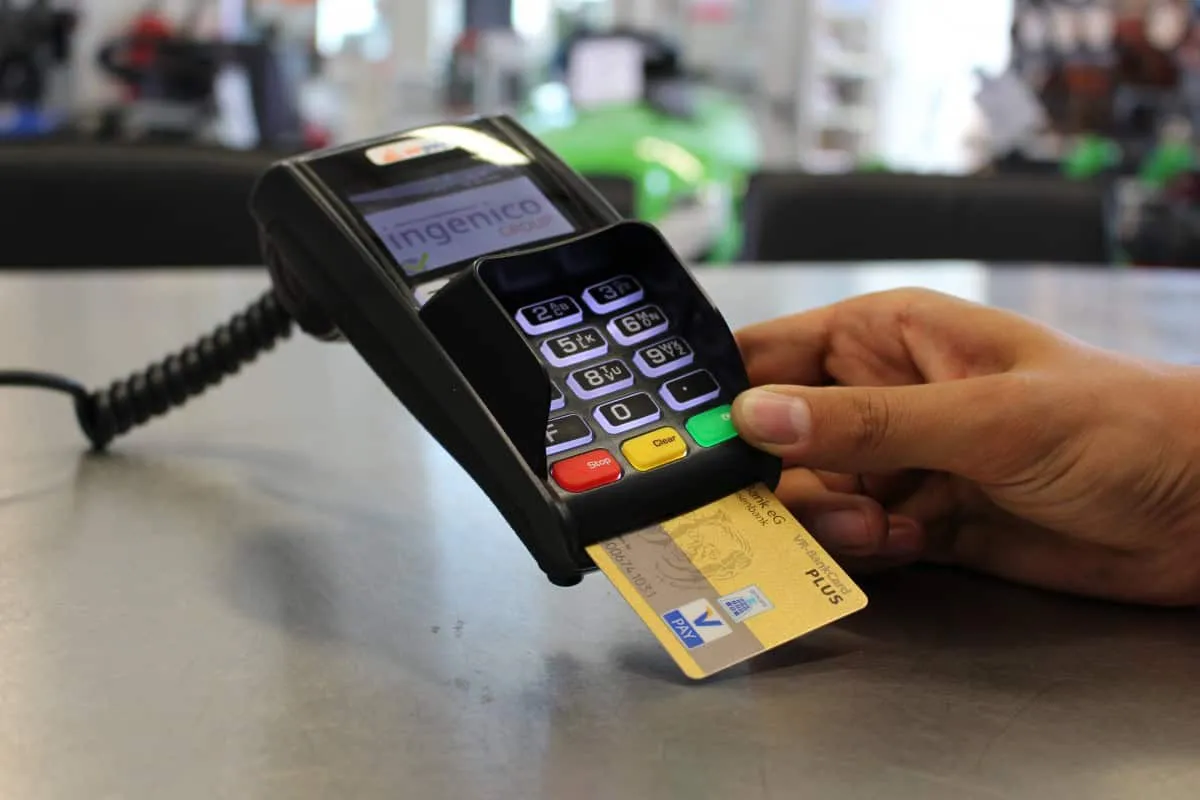
One of the most common questions I get from visitors planning their first trip is about money. Can I use my credit card? Do I need cash? Will my American Express work? What about Apple Pay?
The short answer: Ireland is very card-friendly, and you'll be able to tap or swipe your way through most of your trip. But there are a few things worth knowing before you land, especially if you're coming from the US or Canada.
What Currency Does Ireland Use?
The Republic of Ireland uses the euro (€). If your trip takes you north to Belfast, the Giant's Causeway, or Derry, you'll switch to British pounds sterling (£), because the north is part of the UK, currently.
Most visitors only need euros, but if you're doing a 7-day itinerary that includes Belfast or the Causeway Coast, you'll encounter both currencies. Your bank card handles the conversion automatically, so don't worry about exchanging cash between the two.
Which Credit Cards Are Accepted in Ireland?
Visa and Mastercard are accepted almost everywhere in Ireland. Shops, restaurants, hotels, petrol stations, tourist attractions, taxis in cities. If a place takes cards at all, it takes Visa and Mastercard.
American Express is a different story. AmEx has limited acceptance in Ireland. Some larger hotels and chain restaurants might take it, but the vast majority of smaller businesses, B&Bs, pubs, and independent shops won't. If AmEx is your main card, bring a Visa or Mastercard as backup. You'll need it.
Discover Card is essentially useless in Ireland. Very few businesses accept it. If Discover is your only card, sort out a Visa or Mastercard before your trip. This isn't a "just in case" situation. You genuinely won't be able to use it in most places.
Insider Tip: Notify your bank that you're travelling to Ireland (and the UK, if you're visiting the north) before you leave. Some banks still flag overseas transactions as suspicious and freeze the card. A quick phone call or app notification saves a lot of hassle.
Do I Need Cash in Ireland?
Ireland has gone heavily cashless in the last few years. In Dublin, Galway, Cork, and other cities, you could easily go days without touching cash. Contactless payments are everywhere.
That said, carry some cash as backup. I'd suggest having around €100 in small notes (€10s and €20s) for:
- Rural pubs and cafes that are card-only reluctant or have dodgy WiFi (the card machine needs a signal)
- Traditional B&Bs in the countryside
- Market stalls and farmers' markets
- Buskers and street performers (if you want to tip)
- Small car parks and public toilets that take coins
- Tipping (cash tips go directly to the person serving you)
For most visitors spending a week in Ireland, €100-€150 in cash is plenty. You'll use your card for the majority of purchases.
ATMs in Ireland: Where and How
ATMs (called "cash machines" or sometimes "holes in the wall" here) are easy to find in every town. Look for machines attached to banks (AIB, Bank of Ireland, Permanent TSB) rather than standalone ATMs in shops or tourist areas.
Tips for using ATMs in Ireland:
- Use bank-branded ATMs. Standalone machines (the ones inside corner shops or at tourist spots) often charge fees of €3-€5 per withdrawal on top of whatever your bank charges.
- Decline the conversion. The ATM will offer to convert to US dollars for you. This is called Dynamic Currency Conversion and it's always a worse rate. Always choose to be charged in euros and let your own bank do the conversion.
- Check your bank's overseas fees. Some US banks charge a flat fee ($3-$5) plus a percentage (1-3%) on foreign ATM withdrawals. Cards like Charles Schwab debit refund all ATM fees worldwide.
- Withdraw larger amounts less often to minimise per-transaction fees.
Insider Tip: Don't bother exchanging dollars to euros before you fly. Airport exchange rates are terrible. Just withdraw euros from an ATM when you land at Dublin Airport, or use your contactless card from the start.
Contactless Payments and Mobile Wallets
Ireland is one of the most contactless-friendly countries in Europe. The tap-to-pay limit is €50 per transaction, but most terminals also accept Apple Pay, Google Pay, and Samsung Pay with no upper limit (since they require biometric authentication).
In practice, this means you can pay for almost anything with your phone or watch. I personally use Apple Pay for probably 90% of my purchases. It works in supermarkets, pubs, restaurants, taxis, petrol stations, and even some market stalls.
What about Revolut and Wise? If you have a Revolut or Wise card, it'll work perfectly in Ireland. These are particularly popular with European travellers and give excellent exchange rates with no fees. If you already have one, use it. If you don't, a no-foreign-fee Visa or Mastercard does the same job.
Avoiding Foreign Transaction Fees
This is where US and Canadian visitors can lose money without realising it. Most credit cards charge a foreign transaction fee of around 3% on every purchase made outside your home country. On a €2,000 trip, that's $60+ in fees you don't need to pay.
Before your trip, check if your card charges foreign transaction fees. Many travel-focused credit cards waive this fee entirely. If yours doesn't, it might be worth getting a no-foreign-fee card before you travel.
The Dynamic Currency Conversion trap: When you pay by card in Ireland, the terminal might ask if you want to pay in US dollars or euros. Always choose euros. The "convenience" of seeing a dollar amount comes with a markup of 3-7% on top of what your own bank would charge. This applies at ATMs, in shops, restaurants, anywhere that offers you the choice.
Paying in the North of Ireland
If your itinerary includes Belfast or the north, you'll be paying in British pounds (£). Everything mentioned above still applies: Visa and Mastercard work everywhere, contactless is universal, and AmEx is patchy.
The only extra thing to note is that your card will handle two different currencies on one trip. This is totally normal and your bank won't mind, but it does mean you'll see both euro and sterling charges on your statement. If you notified your bank about Ireland, make sure you mentioned the UK too.
Insider Tip: The border between the Republic and the north is invisible. You won't even notice you've crossed it. But the currency switches immediately. Your card handles this seamlessly, and that's one of the best reasons to rely on cards rather than carrying two sets of cash.
While you're sorting out your finances, don't forget to check my packing list for Ireland for other trip essentials.
Quick Reference: Paying in Ireland at a Glance
FAQ
Can I use my credit card in Ireland?
Yes. Visa and Mastercard are widely accepted across the Republic of Ireland and the north, including shops, restaurants, hotels, and tourist attractions. Contactless payments and Apple Pay/Google Pay work almost everywhere. American Express has limited acceptance, and Discover cards are rarely accepted.
Is it better to use cash or card in Ireland?
Card is easier and more widely accepted. Ireland has embraced contactless payments and you can go days without needing cash, especially in cities. However, carrying €100 in small notes is sensible for rural areas, markets, and places with unreliable card machines.
Do I need cash in Ireland?
You don't strictly need it, but having €100 in small notes as backup is recommended. Some rural pubs, B&Bs, market stalls, and small car parks still prefer cash. Cash is also better for tipping, as it goes directly to the person who served you.
Is American Express accepted in Ireland?
AmEx has limited acceptance in Ireland. Larger hotels and chain restaurants may take it, but most independent businesses, pubs, B&Bs, and smaller shops don't. Always bring a Visa or Mastercard as your primary card.
Can I use a Discover card in Ireland?
Discover cards are very rarely accepted in Ireland. If Discover is your only card, you'll need to arrange a Visa or Mastercard before your trip.
Do I need to tell my bank I'm going to Ireland?
It's a good idea. Some banks flag overseas transactions and may freeze your card. Most banks let you set a travel notice through their app or website. If your trip includes the north, mention the UK as well since it uses a different currency.
Should I exchange money before going to Ireland?
No. Airport exchange counters offer poor rates. Withdraw euros from a bank ATM when you arrive, or simply use your contactless card from the start. Your bank will give you a better exchange rate than any currency exchange booth.
Does Apple Pay work in Ireland?
Yes. Apple Pay, Google Pay, and Samsung Pay all work widely in Ireland. Most payment terminals accept contactless, and mobile wallet payments have no upper transaction limit (unlike regular contactless which caps at €50).
Related Reading
- Tipping in Ireland: How to Avoid Mistakes
- Ireland Packing List: What You Actually Need
- Dublin Airport to the City Centre: Your Complete Transport Guide
- Car Rental in Ireland: Everything You Need to Know
- Best Time to Visit Ireland: Month-by-Month Guide
- 7-Day Ireland Itinerary