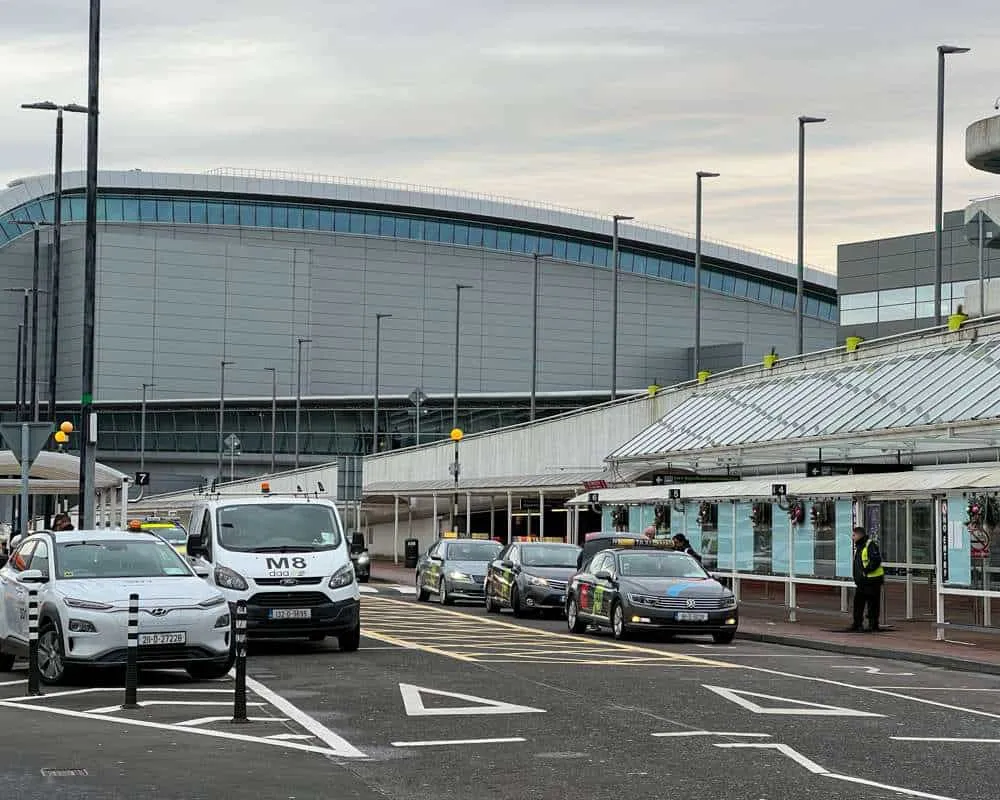
I’ve stood at the Aircoach bus stop on Stephens Green with a young couple from Boston (in the rain) and waited for two separate coaches to show up, to no avail. I was early, so it was fine for me, but the couple had a flight in 2 hours, and needed to go through US pre-clearance at Dublin Airport… The panic on their faces (and the likely cost of a flagged taxi) is a story I’ve seen play out too much across Dublin’s transport network.
Here’s what most travel guides won’t tell you about Dublin public transport for tourists: the system can be brilliant when you understand its quirks, and absolutely maddening when you don’t. After nearly four decades of finding my way around Dublin, from college to going to a show at the Gaiety last week, I’ve learned that the difference between a smooth Dublin experience and a frustrating one often comes down to knowing the pitfalls.
The truth is, most people overlook real tourist tensions like peak-hour delays, late-night gaps, payment errors, and walkability limits. They’ll tell you to “just get a Leap Card” (but where?!). They’ll recommend the DART for coastal views without warning you about the 7-9 AM crush that makes sardines look comfortable. My guide exists because you deserve better than that!
Dublin Transport Quirks
Let me be direct with you: Dublin’s public transport system is going through growing pains. In October 2025, bus speeds during peak hours dropped to an average of 13.5 kilometers per hour, that’s slower than London, and anyone who’s experienced London traffic knows that’s saying something. The BusConnects network redesign promised improvements, but routes in South West Dublin have faced delays and cancellations that left even locals scratching their heads.
The challenge for visitors? Most tourist content was written before these changes, or by writers who’ve never actually relied on Dublin transit during a real trip. They’ll give you route numbers without mentioning that buses on routes 27, 40, and 123 through Temple Bar become standing-room-only sardine tins during morning rush, crawling through streets at walking pace.
The Leap Card Reality: What They Don’t Tell You
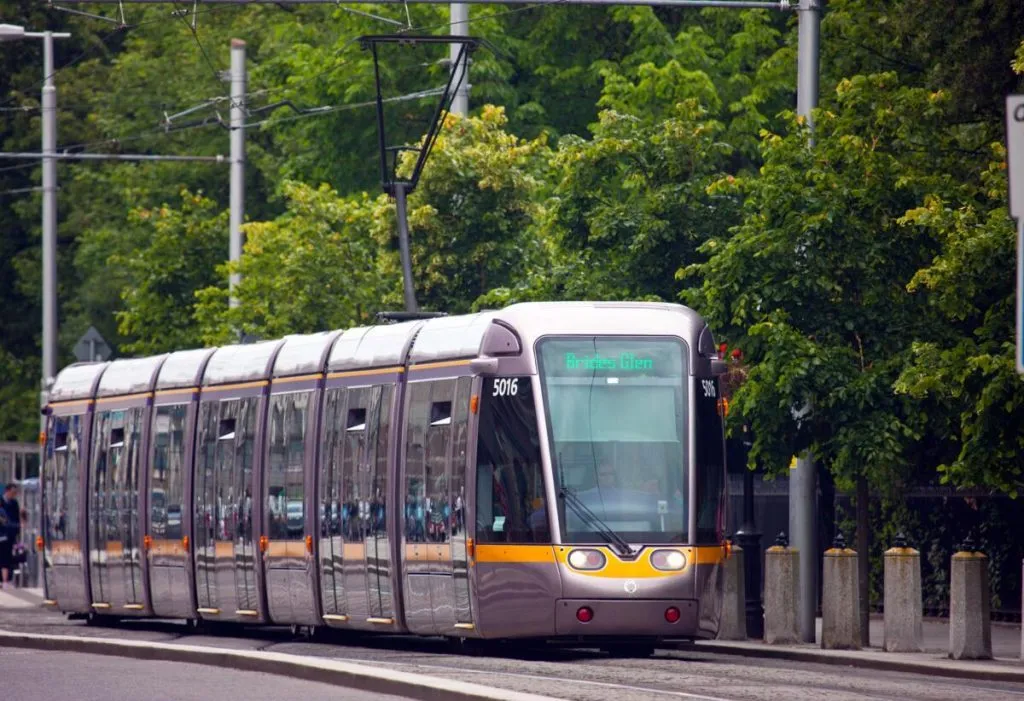 Tourism Ireland by Jonathan Hession
Understanding the TFI 90-Minute Fare Cap
The Leap Card for visitors remains your smartest move: it saves up to 31% compared to cash fares, and that adds up quickly. The regular Leap Card costs €5 to purchase with a minimum €5 top-up, which you can manage through the TFI app, convenience shops like Spar or Centra, or stations. For trips longer than a week, this flexibility works beautifully.
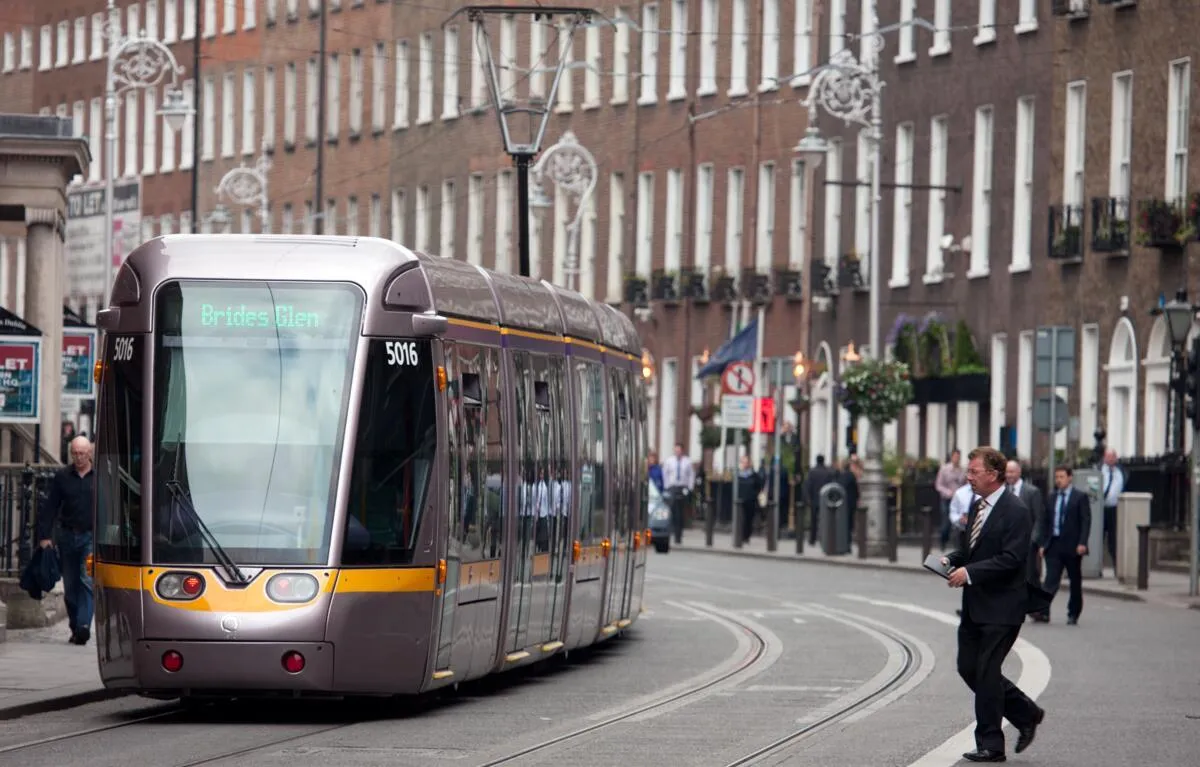
But here’s where the Leap Card visitor trap catches people: the TFI 90-minute fare cap of €2 (€1 for young adults/students, €0.65 for children) sounds fantastic until you realize the tagging requirements. On the Luas and DART, you must tag both on AND off. On buses, you only tag on. Forget to tag off on the Luas? The system charges you the maximum fare for your zone.
My first cousin from Calgary has let me know (volubly) that her family was charged €6.40 for what should have been a €2 trip simply because they didn’t tag off at their Luas stop. The validators aren’t always obvious, they’re at platform entrances, not train doors, and in the rush of sightseeing, it’s an easy mistake.
Leap Visitor Card: The Maths That Matters
The Leap Visitor Card offers unlimited travel on Dublin Bus, Luas, DART, and commuter rail at fixed rates: €8 for 24 hours, €18 for 72 hours, or €24 for 7 days. For most tourists on a 5-7 day adventure, the 7-day card at €24 is exceptional value—assuming you’ll use public transport at least twice daily.
Quick calculation: if you’re taking four transit trips per day (morning out, afternoon change, evening return, one extra), you’d spend €8 daily on the 90-minute cap. That’s €56 over seven days versus €24. The Visitor Card wins decisively.
Dublin Bus Delays: The Peak-Hour Reality
Between 7-9 AM and around 5 PM, Dublin transforms into what locals affectionately call “the car park.” The M50 orbital motorway becomes what one January 2026 report called a “nightmare”, and that congestion ripples through every bus route feeding into the city centre.
My honest advice? Build your tourist schedule around these peaks rather than fighting them. The Dublin you’ll experience at 10:30 AM versus 8:30 AM is remarkably different: not just in transit ease, but in the atmosphere at attractions. Temple Bar at mid-morning has a completely different energy than Temple Bar during the commuter crush.
Night Transport Dublin: The Gap Nobody Mentions
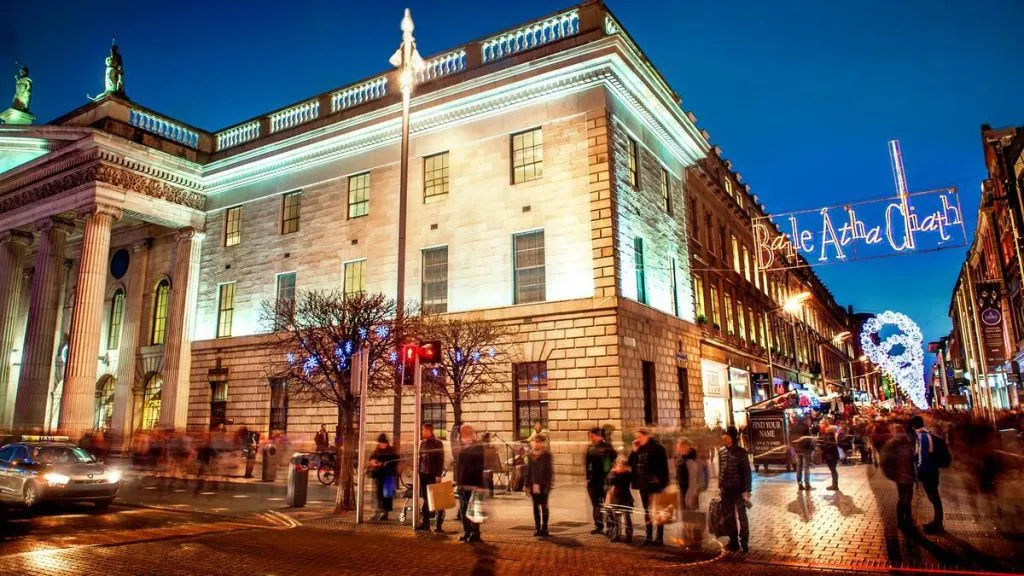 Henry Street at Christmas - Courtesy Failte Ireland
Here’s what genuinely frustrates me about Dublin transit coverage: almost nobody addresses the late-night gaps that strand tourists after concerts, shows, and evening events. There’s no 24/7 reliability, and limited post-peak services mean that a gig ending at 11 PM can leave you scrambling for options.
The airport connection is particularly problematic. If your flight lands after 10 PM, the Luas red line still runs, but bus connections become a bit more unreliable. I’ve seen lines of tourist waiting for the airport bus at Dublin Airport that schedules promised would have arrived 15 minutes ago.
Your backup plan should always include taxi apps, Free Now and Uber both operate in Dublin, or verify your accommodation’s shuttle service before booking. It’s not the ideal transit experience, but it’s the realistic one.
Stress-Free Airport Transfers
Don’t want to deal with late-night gaps or unreliable bus connections after a long flight? Pre-book a private transfer for peace of mind.
Find Your Dublin Airport Transfer
DART Coastal Trips: Timing Your Scenic Journey
The DART line from Bray to Howth offers genuinely spectacular coastal views and I’m not giving you tourism marketing spiel, it’s simple fact. The stretch north of Dublin city offers harbour panoramas that rival any European coastal rail journey I’ve experienced.
But with 48-78 services daily depending on the stretch, timing matters enormously. The longest wait times and most crowded carriages cluster around 7-9 AM and 5 PM. For the experience tourists actually want (a relaxed journey with time to photograph Dublin Bay) aim for mid-morning departures around 10:30 AM or early afternoon around 2 PM.
Tag-on/off validators calculate distance-based fares, so the €2.90-minute cap applies if you’re making a quick Howth visit. For a leisurely day exploring the village and cliffs, you might exceed the window, but the fare remains reasonable under the Visitor Card’s unlimited coverage.
Dublin Transit Apps: Your Real-Time Lifeline
The TFI Live app has become essential for anyone navigating local transit in Dublin. Real-time arrival information helps you avoid the frustration of waiting at a stop for a bus that’s running 20 minutes late or not coming at all due to route adjustments.
Here’s my tourist transport hack: set up the app before you leave home, link your Leap Card for easy top-ups, and save your most-used routes. When schedules go sideways (and they might well!), having real-time alternatives at your fingertips transforms stress into minor inconvenience.
The app also shows you the walkability limits that strand tourists, those gaps between bus stops and rail stations that look minor on a map but involve 15-minute walks through residential areas. In places like Skerries, Rush, and Lusk, bus stops aren’t conveniently located near rail connections, and the app helps you plan realistic door-to-door journeys.
Where to Stay: Transit-Smart Accommodation
Your accommodation choice dramatically impacts your Dublin transit experience. Yes, you can book a charming guesthouse in the suburbs, but don’t expect it to be an easy commute to the city centre!
Transport-Adjacent Neighborhoods
Smithfield sits on the Luas Cross City line with less congestion than the tourist-heavy zones. You’re connected without being in the crush, and the neighborhood has genuine local character, traditional pubs, the Jameson Distillery, and Cobblestone for authentic trad music sessions.
- Generator Dublin in Smithfield sits about three minutes’ walk from the Luas: clean, social, and perfectly positioned for exploring Dublin without transit headaches. Book Generator Dublin.
Docklands offers both DART and Luas access while avoiding the M50 traffic patterns that slow down western approaches to the city. The area has transformed from industrial wasteland to contemporary Dublin, with excellent restaurants and waterfront walks.
- The Marker Hotel in the Docklands puts you roughly five minutes from Luas services with the architectural style and service that matches a slightly higher price point. Book The Marker Hotel.
Temple Bar remains walkable to Busáras and Luas stops, but know you’re trading transit convenience for peak-hour bus traps on routes serving the area. The payment queues at validators during busy periods add unexpected delays.
- The Fleet Hotel is an excellent mid-priced option right on the edge of the district, offering a balance between the atmosphere of Temple Bar and easy access to transport hubs like the Westmoreland Luas stop. Book the Fleet Hotel
Eating Out in Dublin
One of Dublin’s genuine pleasures is how good the food has become.
- After a DART coastal trip, proper fish and chips at Leo Burdock near Christchurch (about five minutes from the Luas) costs €10-15 and uses recipes unchanged since 1913. It’s not fancy, but it’s exactly what you want after sea air. Visit Leo Burdock.
- The Winding Stair overlooks the Ha’penny Bridge, roughly three minutes from Temple Bar bus routes, serving Irish classics with modern technique in the €20-30 range. The building housed Dublin’s most beloved bookshop for decades, and the literary atmosphere remains. Visit The Winding Stair.
- For a special evening, Chapter One near Smithfield Luas (about eight minutes’ walk) delivers modern Irish fine dining with Michelin recognition. Budget €100 or more, and book well in advance. Visit Chapter One.
Your 2026 Dublin Transport To Do List
Here is what I would do ahead of visiting Dublin and hoping to use public transport as smoothly as possible:
- Buy the 7-day Leap Visitor Card for trips over three days. The €24 investment removes fare anxiety entirely.
- Download TFI Live before arriving and familiarize yourself with the interface. Real-time information is your defense against schedule unreliability.
- Build your days around off-peak hours. Schedule a longer breakfast, indoor attractions, museums, galleries, distillery tours, during the 7-9 AM and 5 PM windows, then explore neighborhoods when transit flows freely.
- Always have a backup plan for late nights. Whether that’s a taxi app loaded with your payment details or confirming your hotel’s shuttle service, don’t assume public transit will serve you well or easily after 10 PM.
- Tag off on Luas and DART. Every single time. Make it automatic, non-negotiable. The €4 overcharge adds up faster than you’d believe.
The Honest Bottom Line
Not everyone will agree with this, but Dublin’s public transport isn’t broken: it’s evolving, sometimes clumsily, through a period of significant change. The BusConnects redesign, ongoing congestion challenges, and infrastructure investments will eventually deliver a better system. But you’re visiting now, not in some theoretical improved future.
The tourists who have the best experiences are those who understand the system’s current limitations rather than discovering them through frustration. Peak-hour delays, late-night gaps, payment errors, and walkability limits are real, but they’re manageable when you plan for them.
I’ve been navigating Dublin transit for nearly 40 years, and I still check the TFI app before heading out. I still avoid the 8 AM Luas when I can. I still carry backup plans for late evenings. This isn’t pessimism: it’s pragmatism from someone who genuinely wants your Dublin experience to be brilliant.
The city deserves visitors who see her at her best, not through the haze of missed connections and unexpected charges. Plan wisely, stay flexible, and you’ll find that Dublin’s quirks become part of the adventure rather than obstacles to it.
Slán go fóill—safe travels until we meet again on some Dublin bus, probably running five minutes late but getting there all the same.