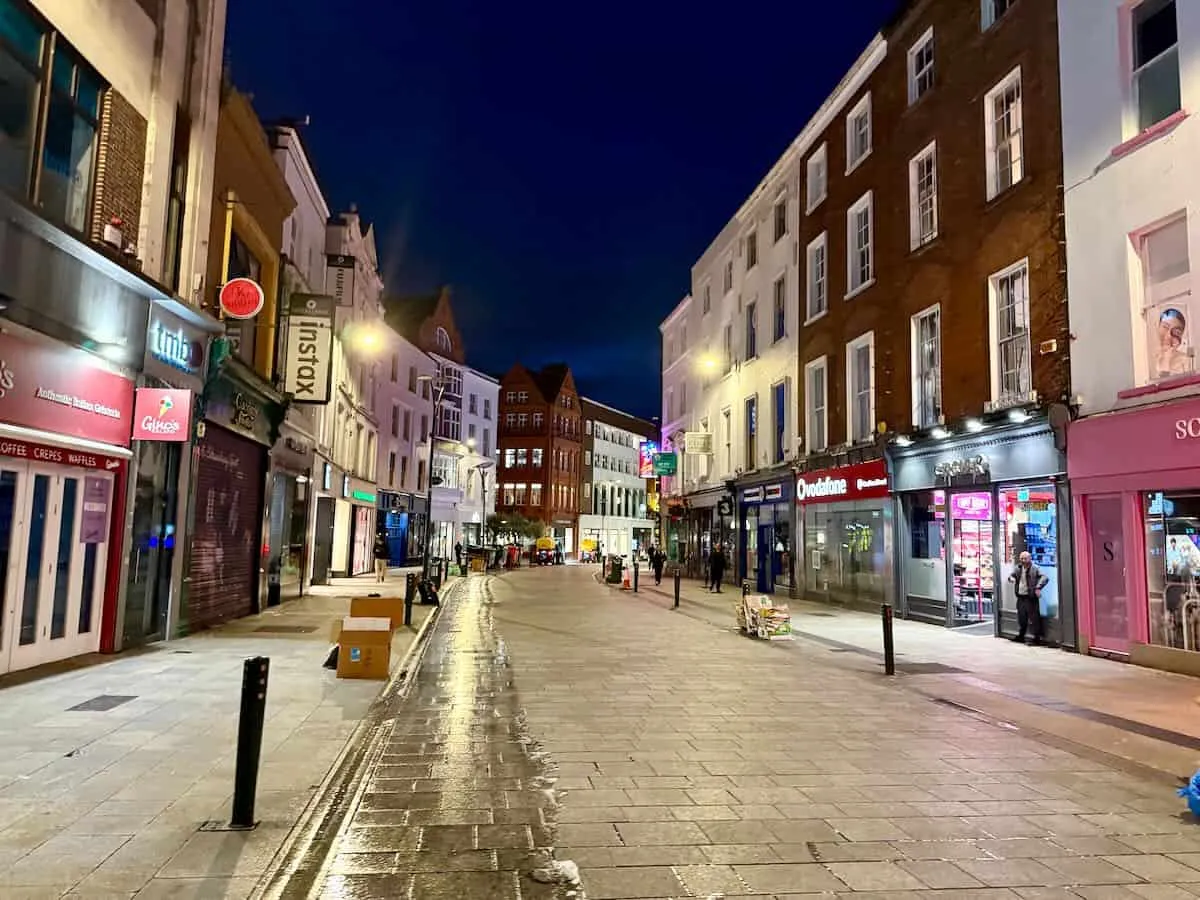
One man's perspective, having lived in Dublin for 10 years and worked at night at venues across the city.
"Is Dublin safe?" is one of the most common questions I get from visitors planning their first trip to Ireland. I lived in Dublin for over a decade and worked as a singer at venues across the city, from smaller rooms in Temple Bar to grander stages at Dublin Castle and Croke Park. I'll give you the straightforward, practical answer you need.
The short answer: Yes, Dublin is generally safe for tourists, but like any capital city, it requires awareness and common sense. Here's what you actually need to know to stay safe and enjoy your Dublin adventure.
Dublin Safety: The Reality Check
Ireland's Safety Ranking vs Dublin's Urban Reality
A national ranking cannot tell you what a particular street will feel like on the evening you visit. My perspective comes from living and working in Dublin; it is not a guarantee about your trip.
What "Safe" Actually Means in Dublin
Keep your belongings close, pay attention to what is happening around you and have a way back to your accommodation. If a place feels uncomfortable, leave and ask for help in a staffed shop, hotel or venue.
Areas to Stay Alert vs Areas to Avoid
Tourist Areas: Stay Aware
Places you may spend time:
- Temple Bar - Pubs, restaurants and busy streets
- Grafton Street & St. Stephen's Green - Shopping streets and a city park
- Trinity College area - The university and surrounding streets
- Dublin Castle & Christ Church - Historic buildings in the city centre
- IFSC/Docklands - The riverside and business district
Busy visitor areas still call for ordinary city awareness. Crowds can make it easier to lose track of belongings, and a street can feel quite different after venues close.
Areas Requiring Extra Awareness
Pay particular attention in crowded places, around late-night queues and on unfamiliar routes after dark. Choose busy, well-lit streets and avoid getting drawn into confrontations.
The Dublin Postal Code Reality
You might see online discussions about "Dublin 1 vs Dublin 8" safety. A postal district alone is not a useful verdict on a street or hotel. Look at the exact location, your route home and recent guest comments, and ask your accommodation for local advice.
Dublin Safety by Time and Situation
Daytime Dublin (9 AM - 6 PM)
Daytime is a good opportunity to get your bearings. Save your accommodation address and work out a familiar route back.
- Keep your bag with you when ordering or paying
- Put your phone away when you do not need it
- Check your route before setting off
Evening Dublin (6 PM - 11 PM)
This is prime time for Dublin - restaurants, pubs, and cultural venues are busy. The energy is fantastic, and it's when Dublin really comes alive.
Practical evening safety:
- Stick to busy streets and well-lit areas
- Arrange your journey home in advance; venue staff can help you find a taxi
- Keep valuables secure but don't be paranoid
- Enjoy the pub culture - it's one of Dublin's great pleasures
Late Night Dublin (11 PM - 3 AM)
This is when you need to be most aware. Closing times vary by venue. The "kicking out time" can get rowdy.
Late night strategy:
- Pre-book your transport home
- Stay with your group
- Avoid confrontations with anyone who is drunk
- Use main streets which are well-lit and have other people around, avoid shortcuts through alleys
Specific Safety Advice for Different Travelers
Solo Female Travelers
Travelling alone calls for the same preparation, with a little more thought about who you can contact if plans change.
Share your plans with someone you trust, keep a charged phone and ask staff in a shop, hotel or venue for help if you feel uncomfortable.
First-Time Visitors
Your biggest safety asset is preparation:
Before You Arrive:
- Download offline Google Maps of Dublin city centre
- Save emergency numbers (112 or 999), your accommodation and a trusted contact
- Know your accommodation address and nearby landmarks
First 24 Hours Strategy:
- Take a walking tour to get your bearings
- Learn the main streets: O'Connell Street, Grafton Street, Dame Street
- Identify your "safe zone" around your accommodation
Families with Children
A few places and practicalities to consider with children:
- Pedestrian areas: Grafton Street, Temple Bar (daytime)
- Parks: St. Stephen's Green, Merrion Square (stay with your children)
- Attractions: Dublin Zoo, Guinness Storehouse (check visitor guidance before you go)
- Transport: Buses and DART accommodate families well
Night Safety: The Reality
Pub Culture and Safety
Dublin's pub culture is legendary, and it's genuinely part of what makes the city special. Here's how to enjoy it safely:
Pub Safety Basics:
- Most Dublin pubs are genuinely welcoming to tourists
- Staff are generally helpful and will assist if you feel uncomfortable
- Traditional pubs (older clientele) tend to be quieter than sports bars
- Keep an eye on your drinks and belongings, and have a plan for leaving together
Getting Home Safely
Pro tip: Irish taxi drivers are generally chatty and helpful. Don't hesitate to ask for local recommendations or directions.
Dublin vs Other European Capitals
Having traveled extensively for performances across Europe, here's how Dublin compares:
Dublin's advantages:
- Smaller scale = easier to navigate
- English-speaking = easier to get help
- Irish friendliness is genuine
- A compact centre that I find easier to get to know
Practical Safety Tips from a Local
Money and Valuables
What I recommend:
- Carry only the cash and cards you need for the day
- Keep a backup payment method separately
- Keep bags closed and within reach, including in cafés and pubs
Communication and Help
Getting Help in Dublin:
- Emergency: Call 112 or 999 when an immediate response is needed
- Non-emergency crime reports: Contact a local Garda station by phone or in person. See An Garda Síochána's reporting guidance
- Ask locals: Dubliners are genuinely helpful to lost tourists
- Hotel concierge: Often the best source for current local advice
Transportation Safety
Public Transport:
Check the timetable for your particular DART, bus or Luas journey, especially your return trip. Do not assume the last service will run at a particular time. Use Transport for Ireland to plan your journey.
Walking:
Choose a route you are comfortable with, allow enough time and use well-lit streets after dark. If you would rather not walk, arrange another way back.
Cultural Context: Understanding Dublin
Why Dublin Feels Safe
Community Culture: In general, I think there's a genuine sense of community. People look out for each other, and this extends to tourists. Nowhere is 100% guaranteed safe, but in general Dublin feels like a positive place.
Irish Hospitality: The "céad míle fáilte" (hundred thousand welcomes) isn't just marketing - it's in our culture! If you look lost or confused, someone will likely offer help.
Size Advantage: Dublin feels more like a large town than a major capital. You'll often see familiar faces if you stay in one area for a few days.
When Things Go Wrong
If You Feel Unsafe:
- Go into any shop, pub, or restaurant
- Ask staff for help or to call a taxi
- Move toward busy, well-lit areas
- Trust your instincts
If Something Happens:
- Report to Gardaí (police) - they're generally helpful to tourists
- Contact your embassy if serious
- Hotel staff can assist with reporting procedures
The Bottom Line: Should You Worry?
**From someone who lived in Dublin for over a decade, often working at night: **
I enjoyed living in Dublin and I still enjoy visiting. That personal experience is a reason to share the city, but it cannot promise how any individual visit will go.
But yes, use normal city awareness. Don't do things in Dublin you wouldn't do in any other capital city.
What I Tell Friends Visiting Dublin
Enjoy the conversation and the music, keep your belongings with you, and decide how you are getting home before you need to leave.
My Personal Dublin Safety Philosophy
Dublin treated me well when I lived there. Let me be clear: yes, I saw occasional trouble (usually drunk tourists fighting each other in Temple Bar), but the vast majority of my experiences were positive.
Quick Safety Checklist for Dublin
Put this checklist into the Notes section of your phone:
Before You Go:
- Download offline maps
- Inform bank of travel plans
- Save emergency numbers
- Book first night's accommodation in city centre
Daily Safety Habits:
- Carry minimal cash (€50-100)
- Keep phone charged for maps/transport
- Stay in well-lit, busy areas at night
- Pre-book transport home from nights out
Emergency Preparedness:
- Know your accommodation address
- Have backup payment methods
- Keep important numbers accessible
- Trust your instincts
Ready to explore Dublin safely? This city has so much to offer, even if I think Temple Bar is too touristy for me, I love to walk around St. Stephen's Green, to visit the National Portrait Collection or an "old man's pub"! With basic city awareness and the tips above, you'll be able to enjoy everything Dublin has to offer with confidence.
Related Dublin Guides: