Look, I write about Ireland for a living, so OF COURSE I’m going to say that there’s no wrong time to visit Ireland (!), but I will tell you frankly that there’s definitely a right time for you. Weather, crowds, costs, and experiences vary dramatically by season - and knowing what to expect ahead of time will help you to plan the perfect trip.
Personally? I love autumn. September and early October bring misty mornings perfect for hiking in cooler temperatures, cosy cafés for rainy afternoons (our coffee culture has really grown), and the sense that colder (wetter) months are ahead make me appreciate the views as the leaves turn golden. But your ideal time depends on what matters most: weather, value, festivals, or simply having major sites to yourself. My guide breaks down Ireland’s seasons month by month, so you can choose when to go based on your priorities.
Best Time to Visit Ireland? Quick Answer - September and early October are the best months to visit Ireland, with pleasant weather (10-15°C), fewer crowds, and 20-40% lower prices than peak season. May and early June are excellent alternatives with similar benefits.
Ireland’s Seasons at a Glance
Spring (March to May)
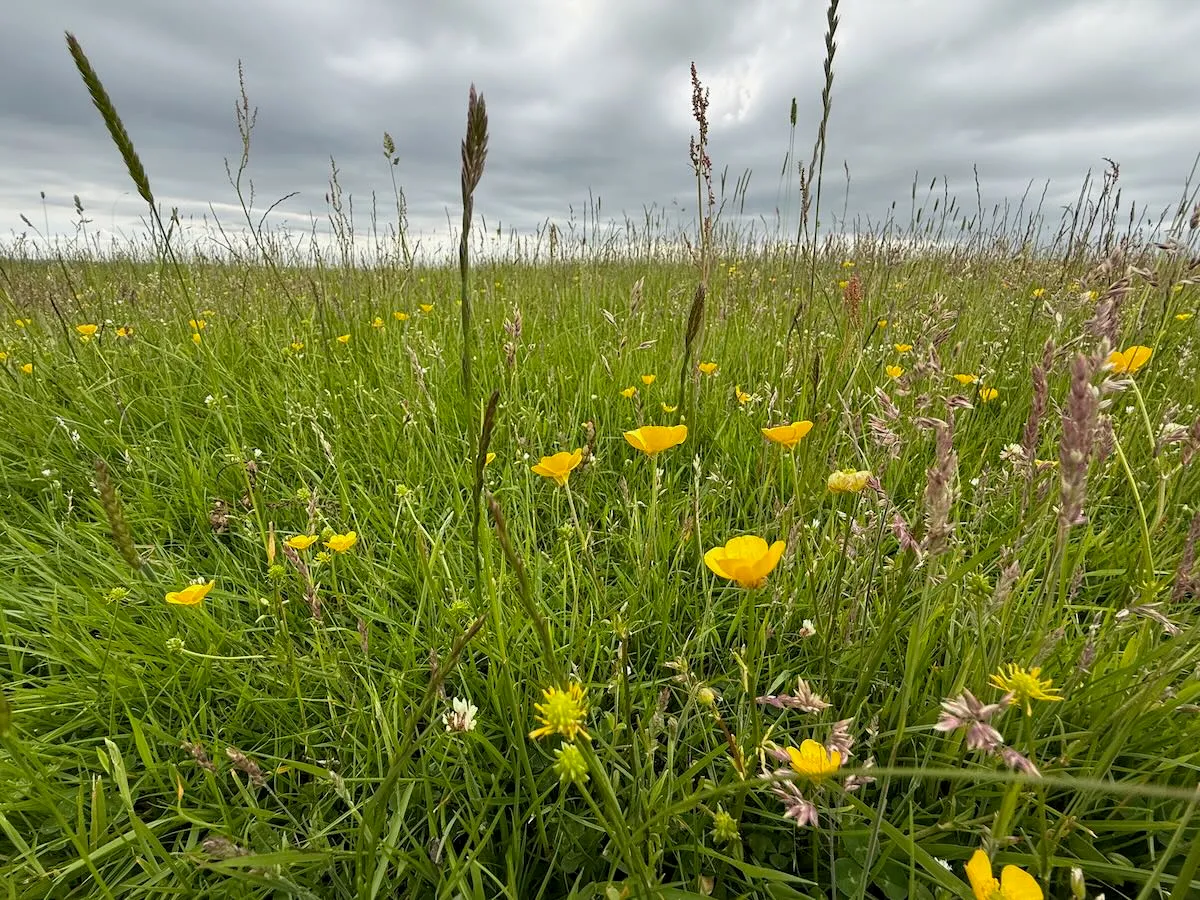
The Spring weather is mild and occasionally sunny, with temperatures in the range of 8-15°C. It’ll rain by times, but days are getting brighter. The crowds are quite in early March, but build up around St Patrick’s Day (17th March) and keep building from Easter onwards around Dublin. Expect wildflowers, lambing, longer days with plenty of unpredictable rain showers. It’ll be quiet at most attractions, but bear in mind some places don’t open fully until May.
Ireland Explore Tip: Book hotels for just before Easter to get higher quality at better rates.
Summer (June to August)
Summer is peak Irish visitor season with the warmest weather (15 to 20°C, just enough for me!), the longest days (sunset at 10 pm in June), and everything’s open and operating. Our climate is maritime, so no guarantees, but summer is your best bet and you might even get a heatwave! The trade-off is everyone else is here: busy roads, the nicer hotels are booked out, and major attractions like the Cliffs of Moher can get crowded.
Don’t show up in Galway on a July weekend and expect luxury accommodation for bargain prices. Let’s be plain: demand = higher prices for hotels and car rentals. But!! If summer is your only option because of school holidays or work constraints, I get it. Be practical: book everything 3 to 6 months ahead and accept you’ll share Ireland with a few tour buses.
**Ireland Explore Tip: **If you want to avoid crowds, focus on less obvious destinations - skip the Ring of Kerry and head for the Beara Peninsula instead.
Autumn (September to November)
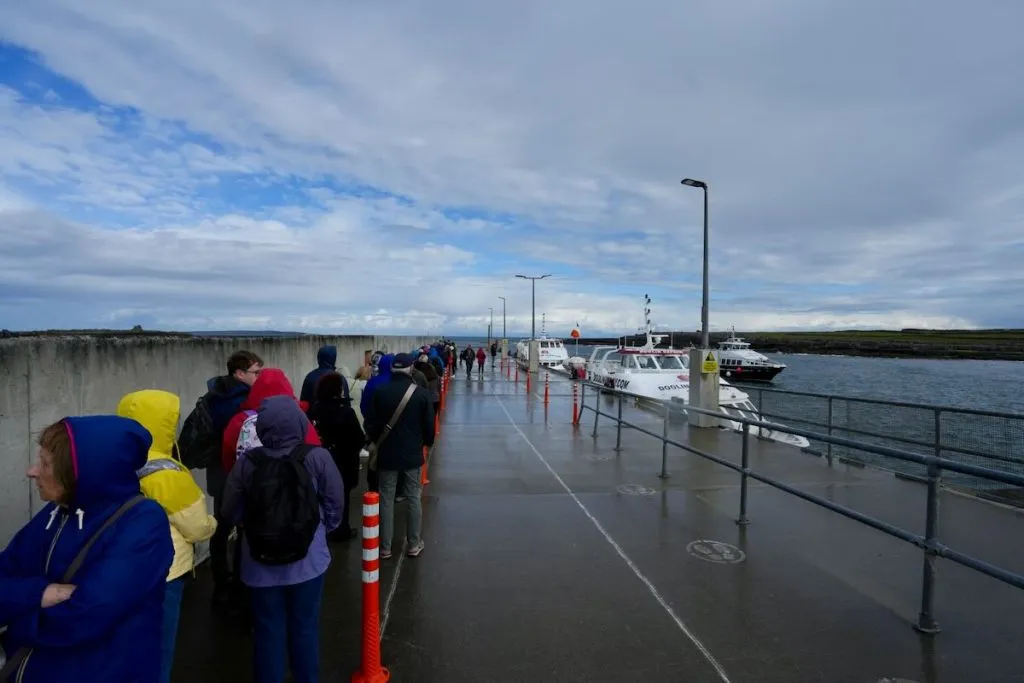
I’m not subtle: my favourite season. September and early October give you crisp weather (10 to 15°C), and crowds that thin out dramatically once schools restart mid-September. By October, you’ll have popular sites mostly to yourself. November will be wetter and darker as winter approaches, but it’s genuinely quiet.
Autumn is perfect for hiking on drier days, and the pub on wetter ones. Hotel rates drop 20 to 40% compared to peak season, and the most bookable restaurants have free tables. The downsides are darker days (sunset is around 5pm from November), but if you can book late September/early October, you’re on to a winner.
**Ireland Explore Tip: **September is the sweet spot: summer at autumn prices and plenty of green and gold landscapes.
Winter (December to February)
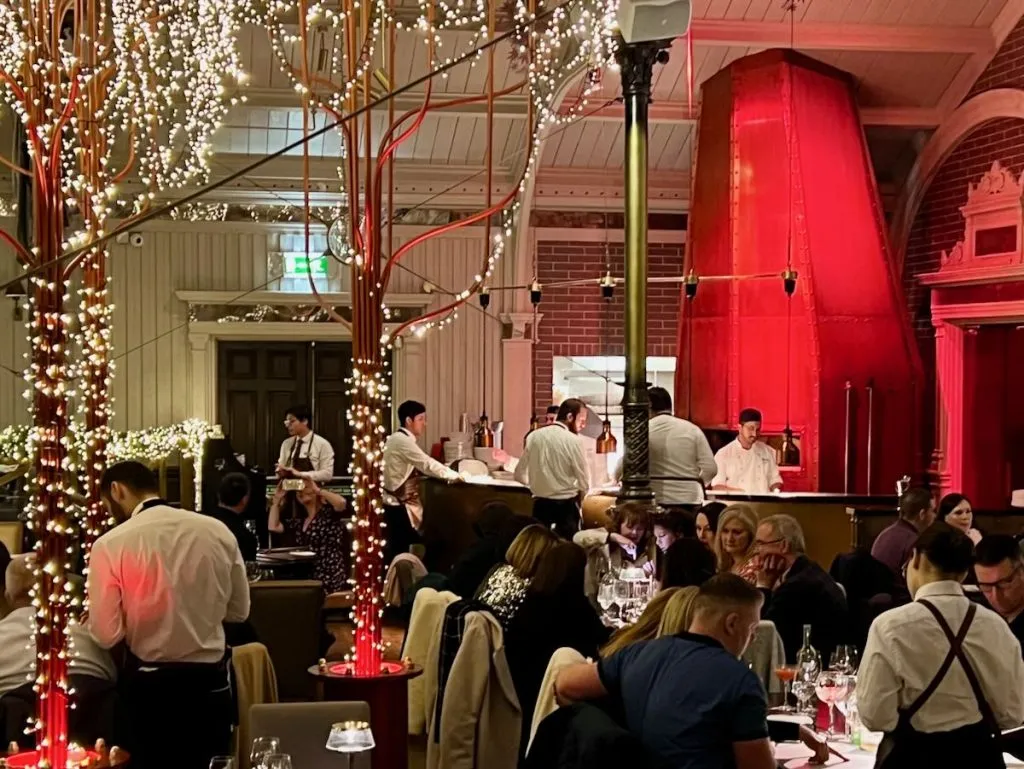
Winter in Ireland is cold (5 to 8°C), wet, and dark - sunset by 4pm. Most tourists avoid it, which means you’ll have sites to yourself and pay the lowest prices of the year. Christmas markets in Dublin, Belfast, Cork, and Galway are lovely, and if you’re a fan of the moody atmosphere, a toasty wee pub, whiskey tastings, and museum days, winter might work for you.
The reality: a lot of attractions close or run reduced hours, island tours don’t operate, and daylight is limited. You’re trading comfort and convenience for prices and solitude. It works if you’re focused on cities, things that happen indoors, and don’t mind the weather. January and February are only worth it if you genuinely love dramatic coastal storms or need rock-bottom prices.
Ireland Explore Tip: December for Christmas markets, yes. January-February? Only if you’re committed to the cosy factor or travelling on a tight budget.
Month-By-Month: When To Visit Ireland
| Month | Weather | Crowds | Prices | Best For |
|---|---|---|---|---|
| March-May | Mild (8-15°C) | Moderate | Medium | Spring scenery, wildflowers |
| June-August | Warm (15-20°C) | Heavy | High | Festivals, guaranteed daylight |
| September-October | Cool (10-15°C) | Light | Low | Value, atmosphere, autumn light |
| November-February | Cold (5-8°C) | Very light | Lowest | Budget travel, Christmas markets |
March: St. Patrick’s Day (17th) brings parades and crowds to Dublin, Cork, and Belfast. Book hotels 6 months ahead if you’re visiting for the holiday. Outside that week, March is quiet, cool, and wet as spring is just starting. Good if you want to avoid crowds and don’t mind rain.
April: Easter crowds (dates vary). Weather improves, attractions open for summer, and you’re not yet into peak pricing. Visit after Easter for better value and fewer tourists.
May: One of the best months. Mild weather, longer days, everything open, crowds still manageable. You get good weather without peak prices or needing to book months ahead.
June: Summer begins with the longest days (sunset around 10pm). Weather is generally pleasant (but still bring a water-resistant layer). Becoming busy but not yet peak chaos. Dublin Pride is usually late June. You’ll pay more for hotels in June.
July to August: Peak season. Crowds at major sites, fully booked hotels, highest prices. The weather is warmest (18 to 20°C+), but you’ll share Ireland with everyone else. TradFest Belfast (July 26 to August 2) is excellent for traditional music. Galway Arts Festival is in late July. Book everything 3 to 6 months ahead or expect disappointment.
September: My personal favourite. Summer crowds depart mid-month when schools restart, but the weather stays pleasant (12 to 15°C). Fewer tourists, easier bookings, significantly lower prices. Autumn light is beautiful: this is the sweet spot.
October: Crisp weather (10 to 12°C), misty mornings, shorter days (sunset around 6pm). Excellent for hiking in cool conditions. Cities are still lively, but not overrun. Samhain celebrations in Derry are a must for Hallowe’en. Prices stay low, and you’ll have your pick of accommodation.
November: Off-season proper. Wetter, darker (sunset 5pm), and many rural attractions closed. Perfect for city breaks if you’re focused on museums, galleries, theatres, and restaurants. Prices are lowest. Not ideal for outdoor adventures without layers (but great for serious hikers!).
December: Christmas markets bring lights and a bit of cheeriness. Cold and wet, but festive. Many rural sites close, but cities get busier. Book early if visiting for Christmas or New Year - these weeks fill despite being off-season.
January to February: Coldest, wettest, darkest. Sunset around 4:30 to 5pm. Most tourists avoid it, so you’ll have sites to yourself. I try to head south for some sunshine! Best prices of the year.
The Best Time for…
Best weather
May, early June, or September. You’ll still need a rain jacket, but the odds are decent.
Best Value
September, October, November, or late January to February. Pay 30 to 40% less on hotels whilst getting the same quality.
Fewest Crowds
November to February (except Christmas week). March and October are also significantly quieter than summer.
Festivals
St. Patrick’s Day (March 17)Dublin Pride (late June)TradFest Belfast (July 26 to August 2, 2026)Galway Arts Festival (late July), Samhain in Derry (October 31)Christmas Markets>Tourism Ireland for updated festival dates
Outdoors
May to September for hiking, cycling, coastal walks, island visits. April and October work if you pack layers. November to March means short days, wet conditions, and limited tours.
Related Posts
Practical Considerations
- Daylight - there’s a great stretch in the summer (up to 17 hours of daylight), but only 7-8 in winter 🙁
- **Weather - **it’s unpredictable (4 seasons in one day). Bring layers any time of year (see my Essentials Packing List for way more detail). Keep an eye on Met Eireann (the Irish weather service) as you get closer to your visit.
- **Booking Times - **sometimes I like to wing it, but forget that for an Irish summer - book 3-6 months ahead (read my hotel recommendations here). In shoulder season, book 4-6 weeks ahead. In winter, you could wing it.
- **Off-season - **rural visitor centres and small attractions close November-February, as well as some B&Bs. Island ferries are prone to cancellation outside of summer. But in good news, all the major sites, cities, hotels, restaurants are open year round.
Before you go
Before you book, check the visa and entry requirements for Ireland. Most visitors don’t need a visa, but there are a few things worth knowing.
Final Thoughts
My recommendation for visiting Ireland is always May or September: the crowds are a bit lower, the weather is decent, hotels are 20-40% cheaper than high season, and you can get into restaurants without being mobbed.
If you’re coming for a festival or big event, you’ll have to suck up the hotel prices: places get busy. And big concerts, especially in Croke Park or the Aviva Stadium, mean big prices. A little bit of flexibility will buy you a better deal.
Last word… don’t let weather concerns slow you down. Ireland is stunning in the rain, and I love a good storm: it’s an excuse for a big bowl of soup or stew, a slice of wheaten bread and a layer of butter so thick your doctor would prescribe cholesterol meds. I know I bang on about it: pack smart.
Is your mind made up? Get started with my guide on where to stay in Dublin if you’re starting there.
For a full breakdown of what to bring, check out my Ireland packing list.