County Galway
Ireland's cultural capital and the gateway to Connemara - a county that runs from packed trad sessions on Shop Street to empty bog roads where the only traffic is sheep. The city punches absurdly above its weight. The west is a landscape that changes your idea of what Ireland looks like.
Galway is the county that sells the west of Ireland to the world, and it earns it. The city has an energy that Cork thinks it has and Dublin stopped trying for. Trad sessions that start at ten and finish when they finish. A food scene built on Atlantic oysters and the Galway International Arts Festival. And a student population that keeps the whole thing from calcifying into a heritage theme park.
But the county is two places. Galway city is compact, walkable, and loud. Connemara - everything west of the Corrib - is vast, empty, Irish-speaking, and quietly spectacular. Most visitors see the city, do a day trip to the Cliffs of Moher (which are in Clare, not Galway - a fact that irritates Clare people enormously), and leave without ever reaching the Aran Islands or the Twelve Bens. That's a mistake.
Galway city is walkable and you do not need a car there. But Connemara absolutely requires one. The gap between the two experiences is the gap between a city break and a proper exploration of the county. If you only have a weekend, stay in the city. If you have four days or more, get a car and head west.
Below you'll find my complete Galway intelligence - where to base yourself, what's genuinely worth your time, and the practical stuff that the tourism brochures conveniently skip. Everything from first-hand experience.
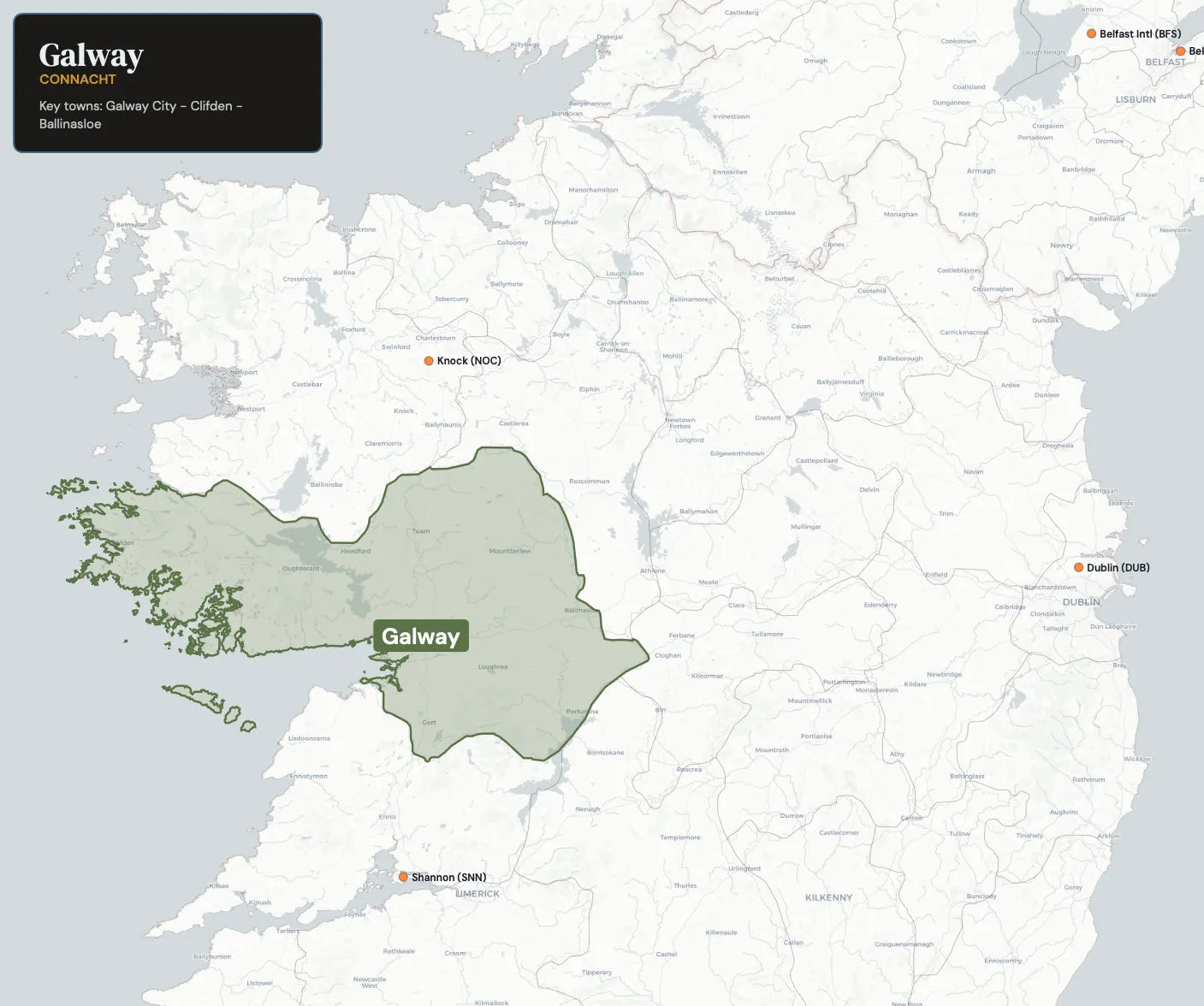
Where is County Galway?
Signature Destinations
The places that make Galway worth the drive. Arranged by genuine impact, not alphabetical order.
Region Full guide Connemara
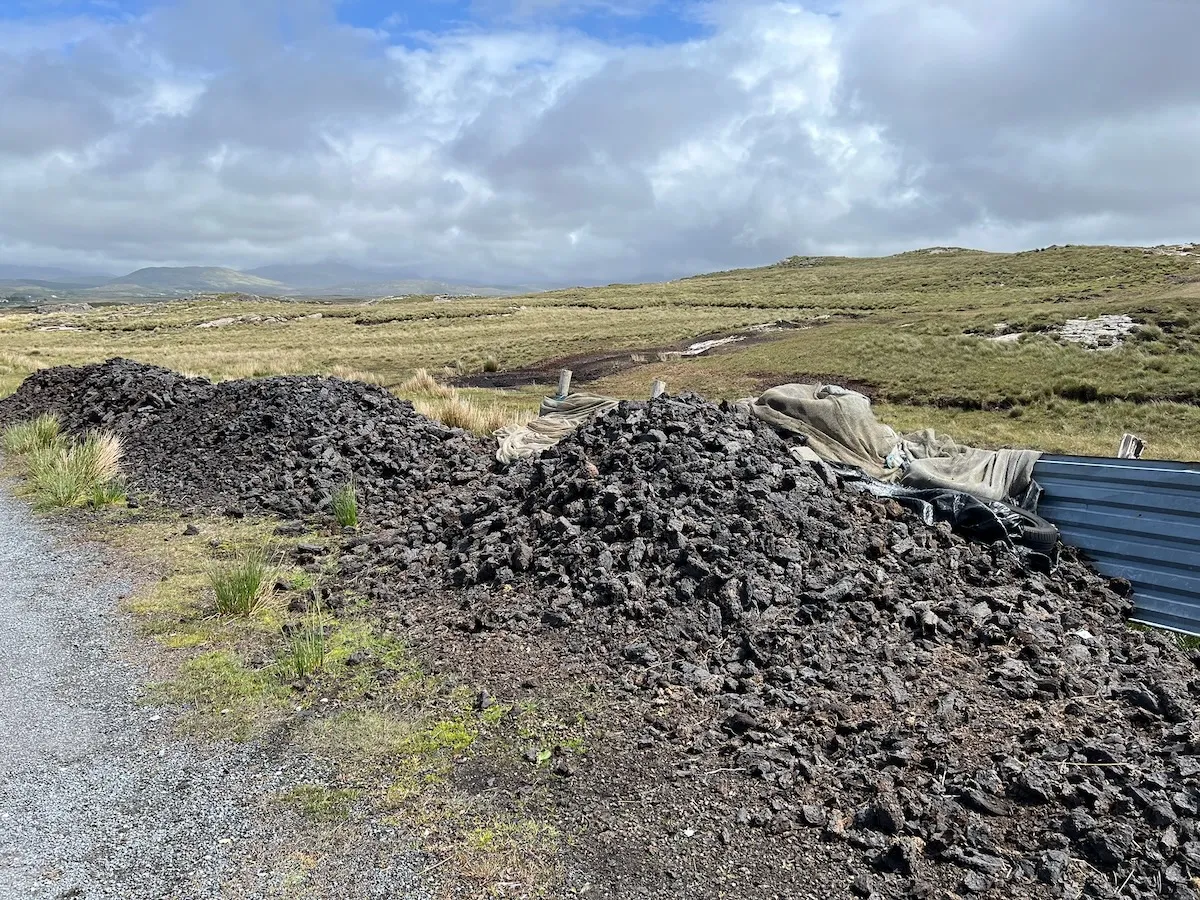
Not a single destination but an entire landscape. Bog, mountain, lake, coast - often all visible in one glance. The N59 through Clifden and Roundstone is the scenic route everyone recommends, and for once they are right. Budget a full day minimum.
Islands Full guide Aran Islands
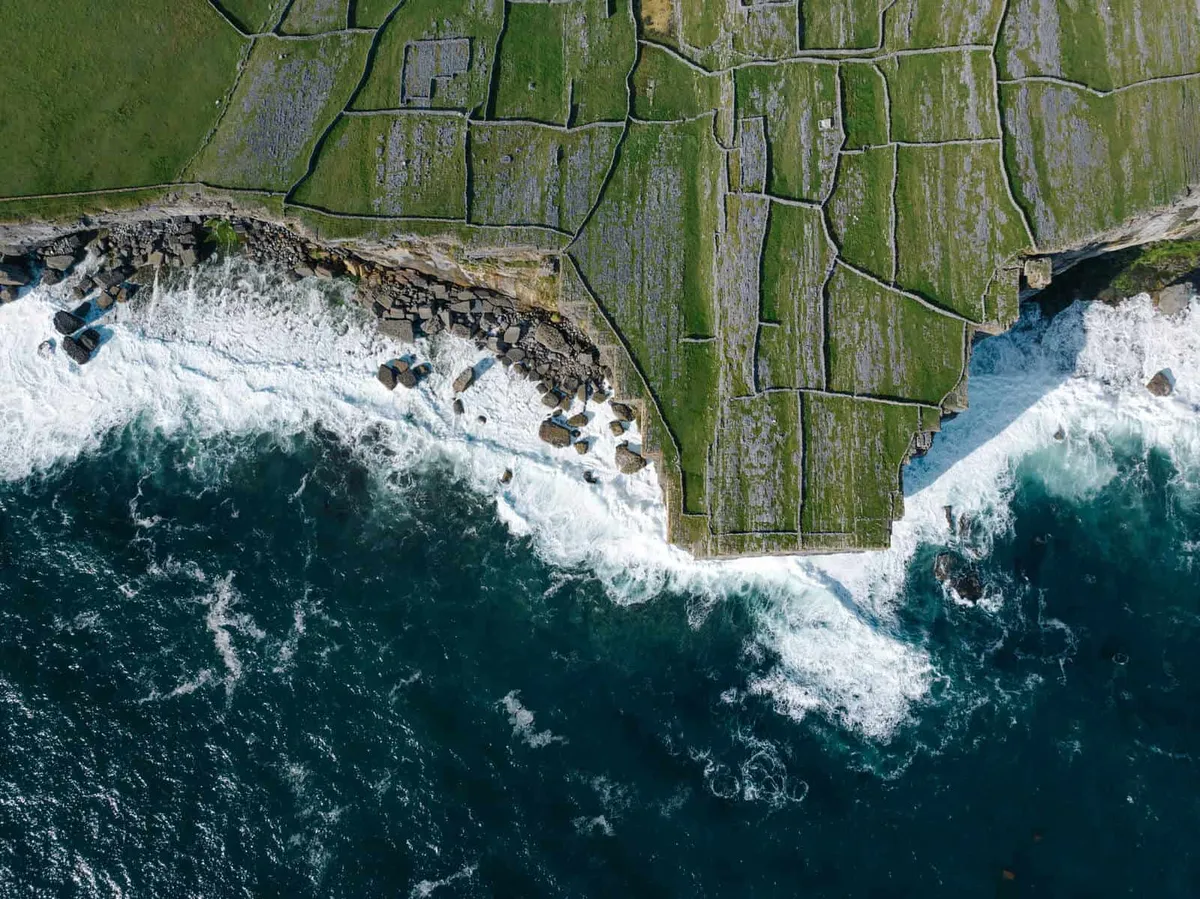
Three islands off the Galway coast where Irish is the first language and the stone walls go on forever. Inis Mor is the big one with Dun Aonghasa. Inis Meain is the quiet one. Inis Oirr is the small one the ferry from Doolin reaches. Check the weather and book the ferry in advance.
Heritage Full guide Kylemore Abbey
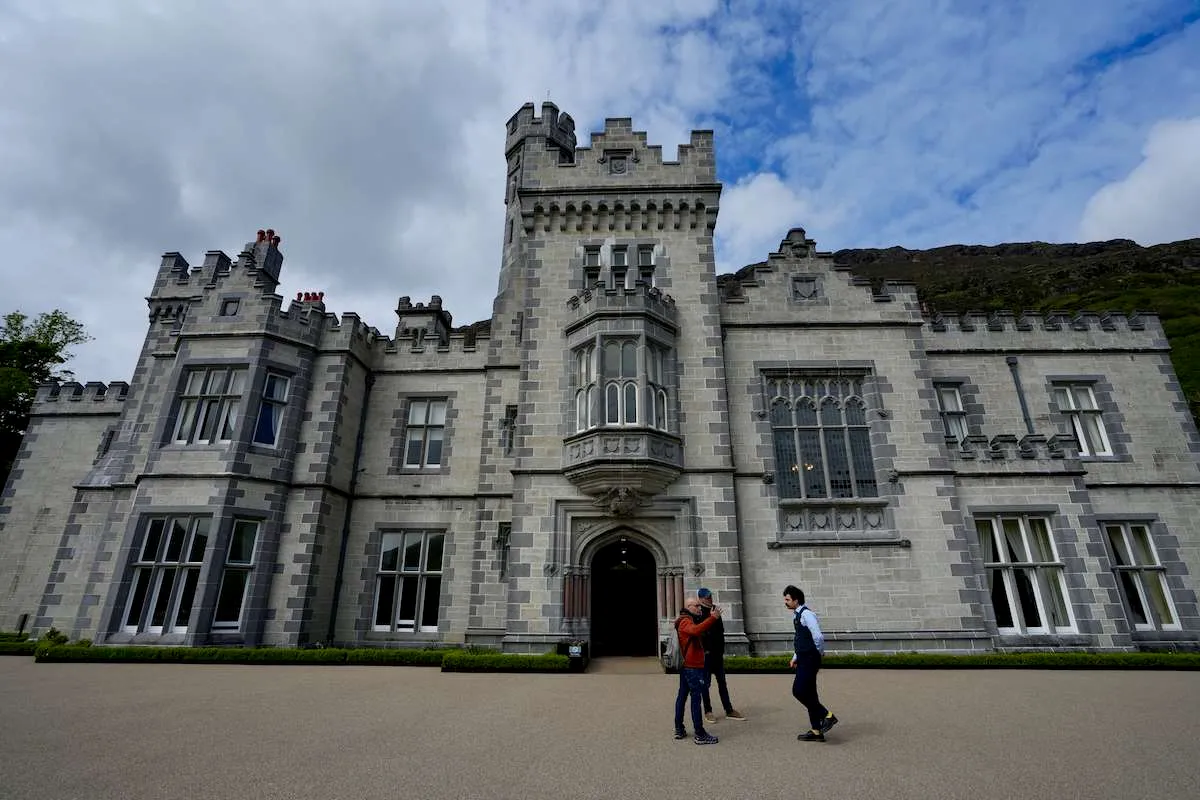
A Victorian castle on a lake that became a Benedictine monastery. Gorgeous, but it knows it - the entrance fee is steep and the coach-tour crowds in summer are relentless. Go early morning or after 3pm. The walled garden is the best part and most people skip it.
Heritage Full guide Dun Aonghasa
A prehistoric stone fort on the edge of a 100-metre cliff on Inis Mor. No railings, no barriers, just a sheer drop to the Atlantic. It is exactly as dramatic as it sounds. The walk up from the visitor centre takes about 20 minutes and is worth every step.
City Full guide Galway City
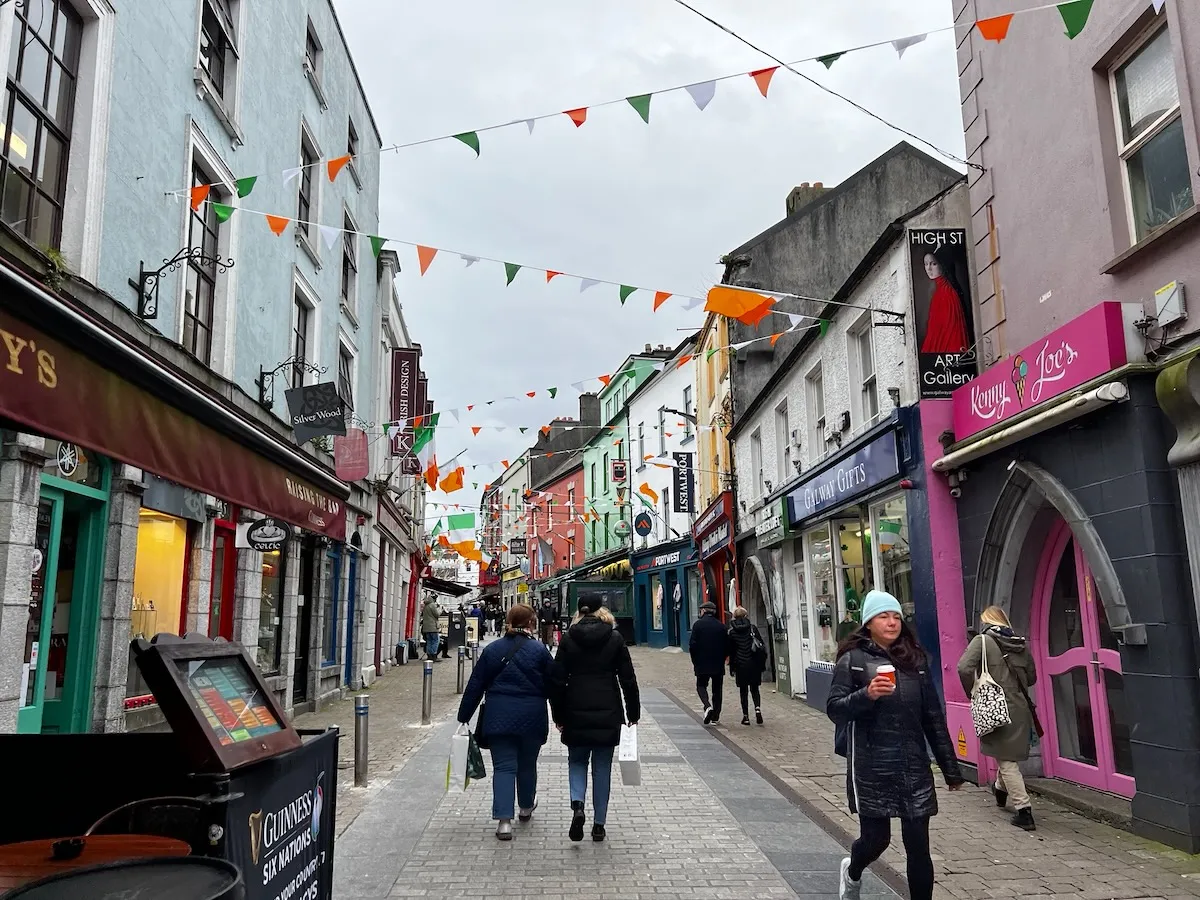
The Latin Quarter, the Long Walk, the Spanish Arch, and the best trad music scene in Ireland. Small enough to walk across in twenty minutes. The city is the reason most people come to Galway, and it delivers - particularly if you like your evenings unplanned.
Walk Full guide Derrygimlagh Bog
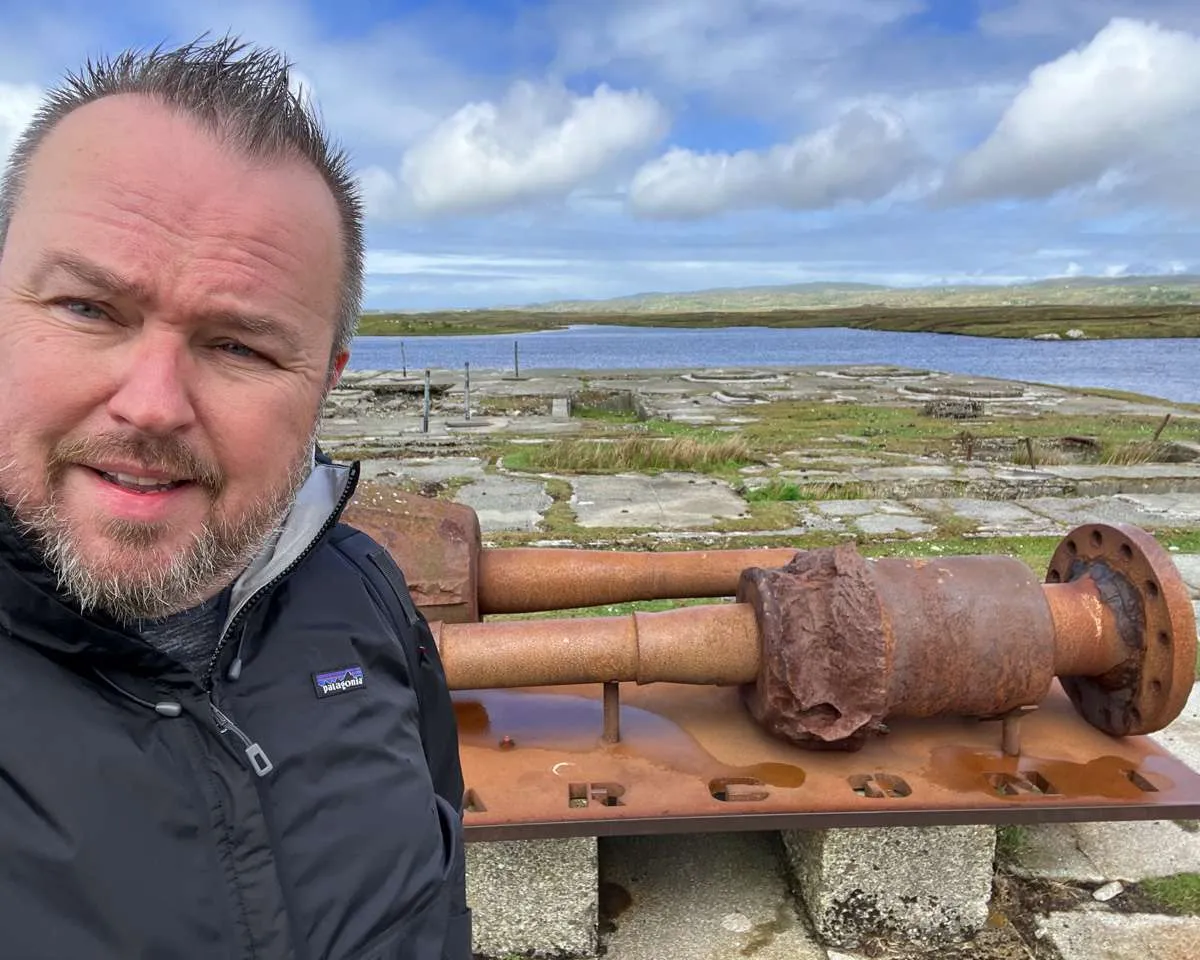
Where Alcock and Brown crash-landed after the first transatlantic flight in 1919, and where Marconi built his wireless station. A looped boardwalk across blanket bog with views to the Twelve Bens. Beautifully understated - no gift shop, no crowds, just history and landscape.
Where to Base Yourself
Galway is two places - a compact, walkable city and a vast rural county. Where you stay determines which one you experience.
Galway City
Town guideThe obvious base and the right one for most visitors. Everything is walkable. The trad music scene is the best in Ireland - not a tourist performance, but the real thing. Restaurants have improved enormously in the last five years. Parking is a nightmare; do not bring a car into the centre.
Read guide →Clifden
The self-declared capital of Connemara and the best base for exploring the western half of the county. Good restaurants for a small town, several decent hotels. The Sky Road loop outside town is one of the most scenic short drives in Ireland.
Salthill
Galway's seaside suburb, a twenty-minute promenade walk from the city centre. B&Bs with sea views and free parking - two things the city centre cannot offer. The diving board at Blackrock is a Galway institution. Close enough to walk into town, far enough to sleep.
Roundstone
A tiny fishing village on the coast road between Galway and Clifden. Genuinely quiet, genuinely beautiful. One excellent pub, one excellent restaurant, and not much else - which is the point. Good base if you want Connemara without Clifden's relative bustle.
Getting There & Around
Ireland West Airport Knock (NOC)
Technically in County Mayo, but it is the nearest airport to Connemara and north Galway. Ryanair flies here from London and some European cities. About 1.5 hours to Galway city. Car hire available at the terminal.
From Dublin
About 2.5 hours on the M6 motorway - one of the best roads in Ireland and a genuinely easy drive. The last stretch into Galway city can be slow at peak times. Expect queues on Friday evenings and bank holiday weekends.
From Belfast
About 4 hours via the M1 and M6 through Athlone. Longer than it looks on a map, but motorway almost the entire way. The A26 through Ballymena to the M6 junction is the cleanest route.
By Train
Irish Rail runs Dublin to Galway multiple times daily. The journey takes about 2 hours 40 minutes and the Ceannt Station is right in the city centre. One of the few Irish train routes that is genuinely practical for tourists.
By Bus
Bus Eireann and CityLink both run Dublin to Galway. CityLink is faster and more frequent. GoBus is another option. Galway is one of the most accessible cities in Ireland by public transport - the problem starts when you want to leave it for Connemara.
When to Visit
May, June, and September are the best months - long evenings, manageable crowds, and the best chance of dry weather. July is Galway Races and Arts Festival month, which means everything is booked and priced accordingly. August is peak tourist season across Connemara.
Where to Stay
Galway city has the best hotel range on the west coast. Connemara is guesthouses, country houses, and self-catering cottages. Salthill splits the difference with seafront B&Bs.
The Hardiman, Eyre Square
Overlooking Eyre Square in the centre of everything. A proper grand hotel that has been sensitively modernised without losing its character. The location cannot be beaten - you walk out the door into the Latin Quarter. Galway Races week aside, rates are reasonable for what you get.
Hotels
Good range in Galway city from budget to luxury. Clifden has several solid options. Elsewhere in Connemara, expect guesthouses and country houses.
B&Bs
Salthill is B&B central - seafront options with parking and breakfast included. Quality is generally high. Booking directly often gets you a better rate than the platforms.
Self-catering
Connemara cottages are the classic west of Ireland experience. Great value for families and groups. Book well ahead for July and August - the good ones go early.
Finding Your Galway Roots
Galway's emigration history is woven into the landscape. The Famine hit Connemara and the Aran Islands with particular brutality - entire villages were emptied. The fishing communities of Claddagh, the stone-walled farms of Aran, and the bog settlements of the west all sent their people to Boston, New York, and beyond. If your surname is Joyce, Conneely, Flaherty, McDonagh, or Burke, the trail very likely leads back here.