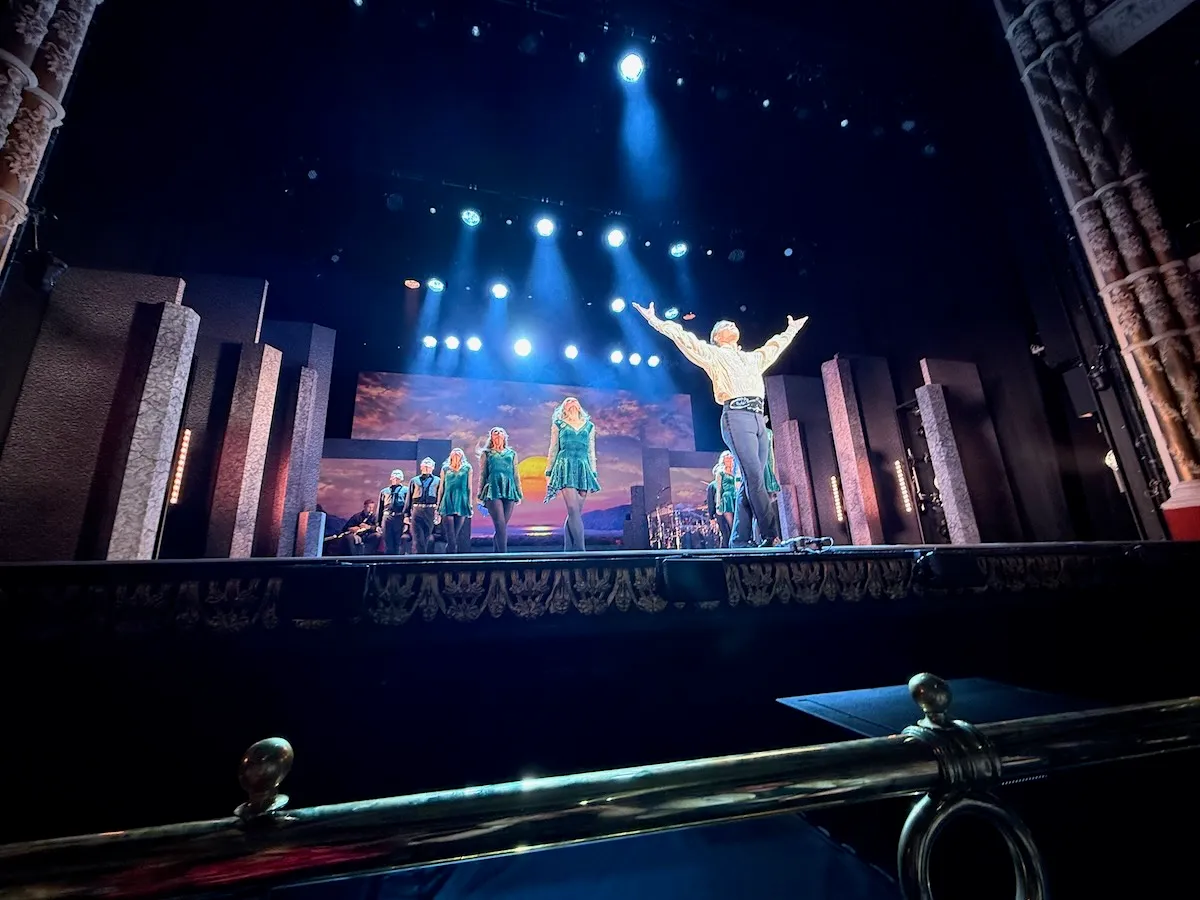
Ireland has around 60 music festivals running in 2026, and they range from two-day headline events pulling 40,000 people to pub-trail weekends with free sessions in coastal villages. The trick is matching the festival to your route, and knowing which ones actually deliver what they promise. Most US and Canadian visitors have five to seven days total, so you're realistically fitting one festival into a wider trip, not building the entire itinerary around it.
This guide covers the confirmed dates, real costs, transit snapshots, and the festivals locals actually talk about. I've also flagged the ones that sell out months ahead versus the ones you can walk into on the day.
Music festivals in Ireland (2026): how to choose the right one
Start with geography. If you're doing Dublin and the east coast, Longitude or [Check Availability]Kilkenny Roots makes sense. West coast route? Galway Folk or [Check Availability]Doonbeg Jazz. Northern Ireland loop? [Check Availability]Derry Jazz or [Check Availability]Belfast's St. Patrick's Music Festival. Donegal's [Check Availability]Atlantic Irish Fest sits far enough north that it becomes the anchor, not the add-on.
Then think about what you actually want. Big-ticket festivals like Longitude (€200+ for two days) mean advance booking, massive crowds, and Luas trams packed like rush hour. Pub-trail events like Derry Jazz or TuneFest Dungarvan give you free sessions, walkable venues, and the option to bail if a band's not working. Family-friendly picks like Riverfest Limerick mix watersports and street food with music, good if you've got kids who'll melt down after three hours of trad.
Budget matters too. Weekend passes for mid-tier festivals (Kilkenny Roots, Doonbeg Jazz) run €80-150. Winter and spring events trend cheaper and less crowded. June through August is peak season: expect higher prices, sold-out accommodation, and festival fields that turn into mud baths if it rains.
Quick planning essentials for festival week
Non-EEA visitors need an ETA (€7, online) as of 2025. It's Ireland's version of ESTA, quick to sort, but don't skip it. EU and UK passport holders walk straight through.
Book early for June and July. Headliner festivals like Longitude and Forest Fest sell out three to six months ahead. Smaller events (Galway Folk, Doonbeg Jazz) usually have day-of tickets, but accommodation disappears fast on bank holiday weekends. If you're visiting in winter or spring, you've got more breathing room: crowds are lower, prices drop, and you can book a month out without panic.
Getting around: trains work well for Dublin-Belfast (two hours, €30-50), Dublin-Kilkenny (90 minutes, €20), and Dublin-Limerick (two hours, €25). Buses cover Dublin-Galway (2.5 hours, €15). For Donegal, Doonbeg, or anywhere off the main rail lines, you're driving or paying for taxis. Park-and-ride schemes (like Marlay Park for Longitude) cost around €10 and save you the headache of city-center parking.
Patrick's Tip: If you're driving, factor in 20-30% longer travel times than Google suggests. Irish roads are narrow, winding, and often stuck behind tractors. The Bundoran-to-Dunlewey leg for [Check Availability]Atlantic Irish Fest is listed as 2.5 hours but can push three if you hit weekend traffic.
Best music festivals in Ireland by season (with dates + what they're like)
Dates below are confirmed as of February 2026, but a handful of smaller festivals still list "TBC" for June and beyond. Always verify on the official site before booking flights.
Winter (Jan-Mar): smaller crowds, more local energy
Winter festivals skew heavily Irish audiences, which means fewer tour groups and more locals who actually know the songs. Prices are lower, venues are cosier, and you won't be fighting for a pint.
Atlantic Irish Fest (Bundoran and Dunlewey, Donegal, Jan 17-20) splits across two bases about 2.5 hours apart. Bundoran handles the pub sessions and Leo's Tavern gigs; Dunlewey runs cultural tours and outdoor events. Four-day tickets aren't priced publicly (check the official site) but expect around €60-80 based on similar Donegal events. Parking's free at [Check Availability]Bundoran Beach (five-minute walk to Main Street venues). Book Johnny Gallagher's gig in advance; it sells out.
St. Patrick's Music Festival (Belfast, March 14) is free for the core events, which makes it one of the better-value options if you're already planning a [Check Availability]Belfast stop. Public transport from Dublin runs about two hours by train (€30-50). Expect crowds, this is peak tourist season for Northern Ireland, but you don't need advance tickets for the main outdoor stages.
Spring (Apr-May): jazz trails + roots weekends
Spring brings the jazz circuit and roots festivals. Weather's unpredictable (pack layers), but the lineups are strong and the vibe's more relaxed than summer chaos.
City of Derry Jazz Festival (Derry, April 30-May 4) is in its 24th year. The Guinness Jazz Trail is free and covers 20+ pubs within a one-kilometre radius of the city centre. Weekend passes for ticketed gigs run €100-150. Derry's an hour by train from Belfast (€10), and the city centre is entirely walkable. Wheelchair-friendly stages on the main events. Book ahead for the bigger bands; walk-up works for pub sessions.
Birr Festival of Music (Offaly, April 30-May 4) focuses on classical and chamber music, with indoor and outdoor performances. Tickets are €20-50 per concert. Birr's a two-hour drive from Dublin and doesn't have direct train service, so you're driving or arranging a private transfer.
Kilkenny Roots Festival (Kilkenny, May 1-4) covers alt-country and Americana across multiple venues. Day tickets are €40-60; weekend passes hit €150. The main spots, Rynne on Parliament Street and Cleere's on Trafford Place, are within an 800-metre walk. Street parking costs €2 per hour. Train from Dublin takes 90 minutes (€20). Book weekend passes online; walk-up works for individual sessions.
Riverfest Limerick (May 1-4) mixes watersports, street food, and music. Most events are free. Limerick's two hours from Dublin by train (€25), and the festival zone is compact enough to navigate on foot.
Early summer (Jun): folk, trad, and coastal weekends
June is the sweet spot before peak summer prices kick in. Coastal festivals pair well with driving routes along the west coast.
Galway Folk Festival (June 3-7) runs five days of folk and roots music. Free pop-up gigs happen throughout the city; ticketed headline shows cost €20-40. Galway's 2.5 hours from Dublin by bus (€15). The food hall scene around the festival is worth the trip alone: oysters for €2 each, seafood chowder, extensive veggie and gluten-free options.
Doonbeg Jazz Festival (Clare, May 29-June 1) is in its 26th year, with 27 performances across 11 bands. Weekend tickets run around €80. Doonbeg's an hour's drive from Shannon Airport. Local forums mention beachside fringe gigs and volunteer-led afterparties that don't make the official programme.
TuneFest Dungarvan (Waterford, TBC June) is still confirming dates, but it's worth watching if you want trad sessions, workshops, and a busking competition without the big-festival crowds. Free open-air concerts and a low-key pub vibe. Check the official site closer to June.
High summer (Jul-Aug): headline crowds and big logistics
July and August bring the biggest names and the biggest headaches. Book everything early, expect sold-out days, and plan your transport like you're coordinating a military operation.
Longitude (Dublin, July 4-5) is Ireland's largest outdoor festival. Two-day tickets start at €200 and climb from there. Marlay Park is accessible via the Luas Green Line (Grange stop, 10-minute walk to the gates). No cars allowed inside; park-and-ride costs €10. This is advance-only: no walk-up tickets if it's sold out. Expect 30-minute waits for trams after the final act.
Forest Fest (Emo, Laois, July 24-26) sold out in 2025 and shifted dates for 2026 after expanding the arts programme. Three-day tickets run €150-250. Emo Village is an hour's drive from Dublin. If you're taking the train, get off at Portarlington (15-minute taxi, around €20). Camping and parking are ample, but book tent spots in advance. Accessibility ramps on the main stages.
Fleadh Cheoil (Belfast, August 2-9) moved to Belfast for 2026, which changes the logistics significantly if you've been to previous years. This is the big traditional music gathering: expect packed venues, late sessions, and accommodation that books out months ahead.
Patrick's Tip: Donegal's trad weekends in August (Ballyshannon Folk & Traditional, Rory Gallagher Festival) hit on bank holiday weekends. Accommodation is scarce, and what's left is overpriced. Book by May or plan to stay in [Check Availability]Sligo and drive up.
Patrick's local "hidden gems" (the ones visitors miss)
Look, the big festivals have their place. But if you want to experience Irish music the way locals do, without the corporate sponsors and €12 pints, these are the ones that still feel like they belong to the community.
A few ground rules: smaller festivals rely on volunteers and goodwill. Don't be the person filming entire sets on your phone or talking through the quiet songs. Buy a round for the musicians if you're in a pub session. And if a local offers to show you an afterparty or a "secret" gig, say yes.
Pub-session trad with a low-key vibe: TuneFest Dungarvan (TBC June)
TuneFest Dungarvan is still confirming its 2026 dates, but it's consistently one of the better trad festivals for people who care more about the music than the Instagram moment. You get sessions, workshops, a busking competition, and free open-air concerts. The vibe is locals-first, which means fewer coach tours and more musicians who've been playing together for decades.
Waterford's about 2.5 hours from Dublin by car. If you're already doing a south coast loop (Waterford Crystal, Hook Head, Kilmore Quay), this is an easy add-on. Check the official site in April for confirmed dates.
Guitar lovers' West Cork weekend: Clonakilty Guitar Festival (TBC)
Clonakilty's in its 22nd year and still hasn't sold its soul. The free session trail hits a dozen pubs, and the emerging talent showcases turn up players you won't hear anywhere else. Seaside pub crawls between gigs are half the point.
West Cork is a two-hour drive from [Check Availability]Cork Airport. If you're doing the Wild Atlantic Way, slot this in around Kinsale and Bantry. Dates are still TBC for 2026: watch the official site or local Cork forums.
Blues pilgrimage: Rory Gallagher Festival (Ballyshannon, Donegal)
Ireland's longest-running music festival, and it still packs tiny venues with raw blues sessions that go until 3am. This is the one travellers mention on forums when they're looking for "the real thing": no frills, no festival wristbands, just music.
Ballyshannon sits on the Donegal coast, about 2.5 hours from Sligo. The June bank holiday weekend means accommodation books out early. If you're serious about going, sort your bed by April.
Trad marathon without the tourist sheen: Ballyshannon Folk & Traditional (Aug bank holiday)
This is the other Ballyshannon festival, and it's the one locals call the "best-kept secret." Session-hopping is the format: you'll hit four or five pubs in a night, following the music. No headline acts, no big stages, just trad music the way it's been played for a hundred years.
Same accommodation warning as the Rory Gallagher weekend: book early or stay in Sligo and drive. August bank holiday is peak season across Donegal.
Northern Ireland's guitar institution: Ards International Guitar Festival (Apr 15-19)
The Ards festival is in its 30th year and added a John Martyn tribute for 2026. The free fringe events are where the magic happens: acoustic fingerstyle masters like Pierre Bensusan playing in rooms that hold 50 people. If you're a guitar nerd, this is your weekend.
Ards is a short drive from [Check Availability]Belfast. Pair it with a Belfast city stay and you've got a solid spring itinerary.
Festival logistics that actually matter (Ireland-specific tips)
Irish festivals don't always work the way you'd expect from US or Canadian events. Walkability varies wildly, parking is often a mess, and accessibility ranges from "fully ramped stages" to "good luck with that cobblestone hill."
Getting there (real transit snapshots)
Dublin to Belfast: two-hour train, €30-50. Runs frequently, books up on weekends.
Belfast to Derry: one-hour train, €10. City centre to city centre, both walkable.
Dublin to Kilkenny: 90-minute train, €20. Kilkenny Roots venues are all within 800 metres of the station.
Dublin to Galway: 2.5-hour bus, €15. Cheaper than the train, nearly as fast.
Dublin to Limerick: two-hour train, €25. Riverfest zone is a 10-minute walk from the station.
Shannon to Doonbeg: one-hour drive. No public transport; you're renting a car or booking a taxi (around €60 one-way).
On-the-ground navigation: venues, walking distances, parking
Derry Jazz pub trail: 20+ pubs within a one-kilometre radius. You'll walk it all. Peadar O'Donnell's on Waterloo Street is the anchor; everything else radiates from there.
Kilkenny Roots: Rynne (Parliament Street) to Cleere's (Trafford Place) is an 800-metre walk. Street parking is €2 per hour, and it fills up fast on Friday and Saturday nights.
Marlay Park (Longitude): Luas Green Line to Grange stop, then a 10-minute walk. Park-and-ride is €10 and saves you the city-centre parking nightmare. Expect 30-minute waits for trams after the headliners finish.
Bundoran (Atlantic Irish Fest): Free parking at Bundoran Beach, five-minute walk to Main Street venues. Limited accessible paths on the cultural tours; check ahead if mobility's a concern.
Tickets + timing: what sells out first
Longitude sells out for individual days months in advance. If you want Saturday, book by April.
Forest Fest sold out in 2025 and will likely do the same in 2026. Three-day passes go on sale in spring: don't wait.
Peak June-July festivals (Galway Folk, Doonbeg Jazz, West Cork Chamber Music) need booking three to six months ahead for headline acts. Day-of tickets work for smaller gigs and pub sessions.
Winter and spring events (Derry Jazz, Kilkenny Roots, Birr) give you more flexibility. A month's notice is usually fine, though weekend passes for Derry Jazz do sell out.
What to eat and drink at Irish festivals (and how tipping works)
Festival food in Ireland runs €10-25 per meal. Expect food trucks at the big outdoor events (Longitude, Forest Fest, Riverfest) and pub grub at the smaller ones. Markets show up at multi-day festivals, especially in Galway and Limerick.
Tipping: 10-15% in sit-down restaurants, round up in pubs. Tip jars are common at food trucks and market stalls: toss in a euro or two if the service was decent. No service charge gets added automatically unless you're in a large group.
Regional food vibes you'll notice
Donegal (Atlantic Irish Fest, Rory Gallagher, Ballyshannon): Seafood dominates. Leo's Tavern does mains for €20-30, heavy on fish and chips with trad music in the background. Veggie options are limited; if you're vegan, pack snacks.
Derry (Jazz Festival): Pub grub like Ulster fry (€12) at 20+ spots on the trail. Guinness pairings are the default. Gluten-free options are increasingly common; markets cover vegan needs.
Kilkenny (Roots Festival): Food trucks lean Americana BBQ (€15 average). Local cider's everywhere. Cleere's and other venues handle vegan and veggie requests without fuss.
Limerick (Riverfest): Street food markets with fish tacos (€10), family zones with kid menus. Allergy accommodations are standard; just ask.
Galway (Folk Festival): Free pop-ups near the food halls. Oysters are €2 each, seafood chowder is the move, and veggie/gluten-free options are extensive. Trad sessions pair well with anything from the market stalls.
Sample 5-7 day itineraries built around festivals
Most visitors don't have the luxury of a two-week trip. These itineraries assume you've got five to seven days total and want to fit one festival into a broader Ireland experience.
Dublin base + one big day: Longitude weekend
Day 1-2: Arrive Dublin, sort jet lag, hit the city centre (Trinity, Temple Bar, whatever). Book accommodation near the Luas Green Line if possible.
Day 3: Longitude at [Check Availability]Marlay Park. Take the Luas from city centre (30 minutes), expect crowds. Plan for a late night: headliners don't finish until 11pm, and trams are packed.
Day 4: Recovery day. Brunch in Dublin, maybe the National Gallery or a coastal walk in Howth.
Day 5-6: Day trip to Glendalough or [Check Availability]Kilkenny. Train to [Check Availability]Kilkenny is 90 minutes; Glendalough needs a car or tour bus.
Day 7: Fly home or extend west.
Northern cities + jazz trail: Belfast → Derry (spring)
Day 1-2: Belfast. Titanic Quarter, murals, pubs. If St. Patrick's Music Festival (March 14) aligns, add that.
Day 3: Train to Derry (one hour, €10). Check into accommodation near the city centre.
Day 4-5: City of Derry Jazz Festival (April 30 - May 5). Free sessions across pubs and venues in a walkable walled city. Budget for accommodation early - Derry is small and books out fast during the festival.
Day 6: Explore the Causeway Coast. Giant's Causeway, Carrick-a-Rede, Bushmills. Drive or join a day tour from Belfast.
Day 7: Return to Belfast and fly home.
The best festival trip is the one that fits your route, not the one with the biggest headline act. Match the dates to your geography, book accommodation early for summer festivals, and leave room in the schedule for the unplanned session in a pub you stumbled into. That's where the real music happens.
For help planning the rest of your trip around a festival, check our 7-day Ireland itinerary or 10-day Ireland itinerary.
Affiliate links support this site and come at no cost to you. Thanks for booking through them if you find them helpful.