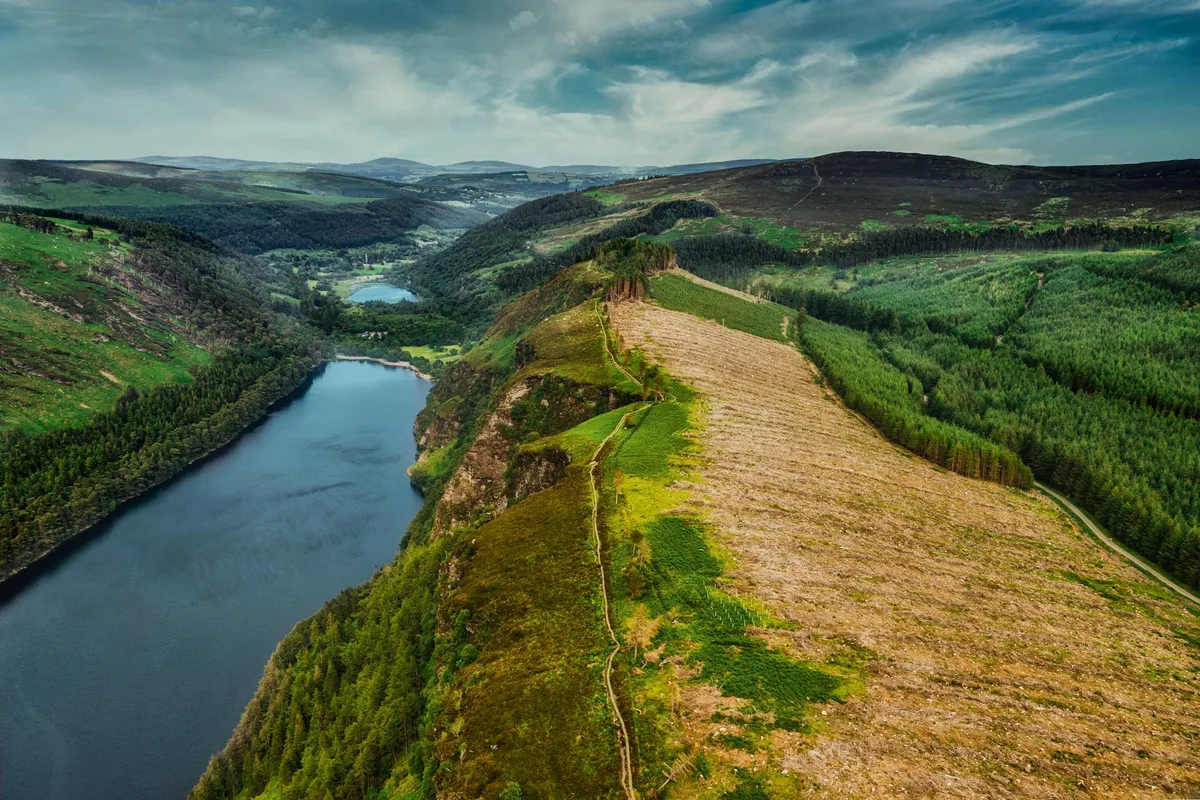
The first time I drove from Armagh down into Louth, I was waiting for a checkpoint, something, anything, to announce "you're crossing a border." Instead, the road simply kept flowing, hedgerows leaning in, and the only real clue was the sudden shift on the speed-limit signs: 60 mph becomes 100 km/h, miles turn to kilometres, and your brain does a quick little jig. For my friends visiting from the States, that's the moment the post-Brexit worry melts away: no passport booth, no queues, no hard border drama, just a quiet seam in the landscape. What does change is practical: pounds on the north side, euros on the south, and your speedometer suddenly needs a mental conversion chart. Let me walk you through the real logistics, the corners most visitors miss, and the proper way to experience this slice of Ireland that refuses to be divided by lines on a map.
Understanding the Invisible Border: What Actually Changes
The Common Travel Area has been stitching these islands together since 1923, and Brexit's Windsor Framework kept that thread intact. When you're driving the A1 south from Armagh through Newry, there's no border post to slow you down, just a seamless flow onto the N1 toward Dundalk. Your American passport stays in your pocket; the ESTA you used for entry into Dublin or Belfast covers both jurisdictions for stays under ninety days. The only immediate shift is currency: Northern Ireland runs on pounds sterling, the Republic on euros. I keep a small stash of both in the glovebox because whilst cards work everywhere, that farmhouse café near Omeath might prefer cash, and the ATM at the Newry edge dispenses both depending which side you've parked.
The speed-limit switch is where visitors get caught. Northern Ireland signs speak in miles per hour; cross into County Louth and suddenly it's kilometres. The A1 dual carriageway becomes the N1, and that 60 mph limit transforms to 100 km/h, roughly the same speed, but your rental's dashboard will show one or the other. I've watched too many friends panic at the first Irish sign showing "50" and slam the brakes, thinking they've missed a school zone. One mile equals about 1.6 kilometres; keep that ratio handy. The road itself doesn't change character, smooth tarmac, well-marked, but your attention to signage must sharpen at Newry's southern edge where the transition happens without fanfare.
The Routes I Actually Drive: A1 Speed vs. Greenway Soul
If you're chasing efficiency, the A1/N1 corridor is your friend: forty kilometres from Armagh city to Dundalk in roughly forty minutes, a proper dual carriageway that swallows distance. The border crossing near Newry is so subtle you'll miss it unless you're watching for the sign style to shift. Northern Ireland's white-on-green gives way to the Republic's bolder fonts. Fuel costs hover around £1.60 per litre on the Northern side, climbing to €1.80 once you've crossed; I usually top up in Newry if I'm heading south for the day.
But here's what I tell visitors with time to spare: take the Carlingford Lough Greenway, completed just last year with €5.14 million in EU funding. This eleven-kilometre ribbon runs traffic-free from Newry's Albert Basin car park all the way to Carlingford village, hugging the lough's western shore. You can walk it in three hours or cycle it in one, and the border crossing happens on foot near Omeath, a tiny village where the only clue you've left Northern Ireland is the sudden appearance of euro prices in the shop windows. The path itself is ninety per cent shingle and tarmac, flat enough for families, with views across the water to the Mourne Mountains that make you forget you're technically commuting between jurisdictions. I've done this route dozens of times, often starting at the Drummullagh trailhead just north of Omeath where you're literally a stone's throw from the unmarked border line. The silence is profound; no customs sheds, no barriers, just the crunch of gravel and the cry of gulls.
Corners the Tour Buses Miss
The A37/N53 route through Castleblayney is where I take visitors who want to see rural Ireland without the tour-bus sheen. This thirty-kilometre stretch crosses from Armagh through County Monaghan into Louth, threading through hamlets like Clonagore where the border is so subtle you'll cross it twice without noticing. Low traffic, high hedgerows, and the kind of rolling green that makes Americans reach for their cameras every five minutes. There's a peculiar thrill near Ballynacarry, a tiny Northern Irish exclave surrounded by Republic territory, where the road signs flicker between jurisdictions like a cartographic hiccup. No markings, no drama, just the surreal pleasure of being technically in the UK whilst surrounded by Irish farmland.
The Narrow Water peninsula, just south of Newry, is another favourite. Right now it's a peaceful lough-side walk with views toward Warrenpoint, but keep an eye on 2026: a new cable-stayed bridge is planned to link County Down directly to Louth, a 280-metre span for cars, cycles, and pedestrians. The tender went out in 2023, and once it opens, this quiet corner will become a proper cross-border artery. Until then, it's blissfully uncrowded. Pack a flask, park near the old castle ruins, and watch the water traffic drift past.
Where to Eat Without the Tourist Mark-Up
Carlingford's marina district is pretty, I'll grant you, but the pubs along the waterfront charge Dublin prices for average seafood. Instead, I send people to The Bay Tree in Omeath, a no-frills spot where fish and chips cost €12 and the batter's done properly, crisp and greaseless. The Carlingford Lough Halt, just outside the village centre, does seafood platters for around €25 per person; their oysters come straight from the lough, native flats with that clean, mineral bite. If you're celebrating something, The Old Bridge in Carlingford proper offers a tasting menu at €60 that edges toward Michelin-guide territory. Local Cooley Peninsula lamb, foraged herbs, the kind of cooking that reminds you Ireland's culinary scene has grown up considerably.
On the Northern side, don't leave without an Ulster fry: bacon, sausage, soda farls (the griddle bread that's part scone, part flatbread), black pudding, all cooked in a single pan until the edges go crispy. Any café in Newry will do you right for under £10, and it's the kind of breakfast that fuels a full day of greenway walking.
Practical Bits: Where to Sleep, How to Get There Without a Car
If you're basing yourself near the greenway, Omeath and Carlingford offer the best access. The Carlingford Maritime Hotel is four-star comfort with sea views at roughly €180 per night on Booking.com; the Omeath Parc Hotel is family-run, three-star solid, around €120. Budget travellers should look at Carlingford Lough Hostel, dorms and private rooms from €50, a ten-minute walk to the trailhead.
Without a car, you're reliant on buses: Bus Éireann's Route 32 runs hourly between Dundalk and Newry for about €10, and Translink's 240 covers the same corridor from the Northern side. No direct trains link Armagh to Louth, the rail network here is patchy, so plan on wheels, either hired or scheduled. The annual Break 4 the Border event is a half-marathon and 10k fully on the greenway, if you fancy a race that literally crosses jurisdictions mid-stride. Check breakfortheborder.com for the next date.
The border here isn't a barrier; it's a conversation, a shift in accent and currency and road signs that reminds you how porous identity can be. Drive it with your eyes open, stop where the signs change, and let the landscape do the explaining. That's the Ireland I know. No walls, just roads that keep rolling south.
[Planning] Recommended Vatican Toolkit
Luxury ($$$): Carlingford Maritime Hotel - Offers four-star comfort with sea views, suitable for a higher budget. [check availability & prices →]
Mid-Range ($$): Omeath Parc Hotel - A family-run, three-star option for reliable accommodation. [check availability & prices →]
Budget ($): Carlingford Lough Hostel - Provides dorms and private rooms, a ten-minute walk to the greenway trailhead. [check availability & prices →]
Viator offers various options for exploring the region.
Carlingford Lough Greenway Cycle - A way to experience the scenic greenway by bicycle. [check availability & prices →]
Newry Historical Walking Tour - Explore the history and sites of Newry. [check availability & prices →]