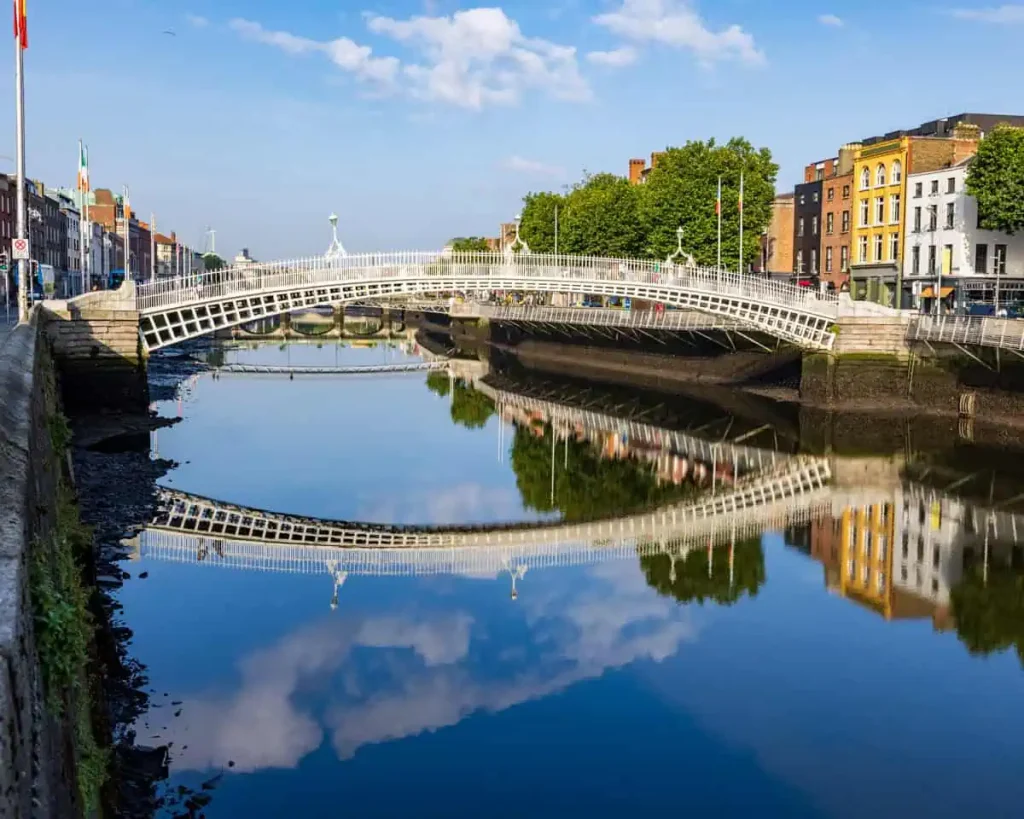
I've loved both cities in different ways. Belfast for the way a stranger will still look you in the eye and chat like you've known each other years, Dublin for the electric sense that the whole world has decided to meet on the same street. If you've only got 5 to 7 days and you're trying to choose where to base yourself (or how to split your time), this isn't a "which is better" argument. It's a "what suits your trip" one. Belfast can feel like Ireland with its sleeves rolled up: trad sessions you can actually hear, murals that tell the hard truths, and prices that don't punish you for breathing. Dublin, meanwhile, is the headline act: bigger, more diverse, stuffed with must-see sites, and suffering from a cost-of-living squeeze that locals feel every day. Let's put the differences on the table, kindly, clearly, and with a few local shortcuts.
The atmosphere
Belfast's Cathedral Quarter feels like the city's living room. By day, you'll wander cobbled lanes past street art that's genuinely political, not just pretty, and duck into places like Established Coffee where a flat white costs £3 and the barista remembers your order by visit two. The night feel is trad sessions at pubs where locals outnumber tourists three-to-one, fiddles cutting through conversation, and nobody minds if you're just nursing a Guinness for an hour. Queen's Quarter, near the university, skews younger and scruffier in the best way: student theatre, affordable curry houses, and Botanic Gardens where families spread picnic blankets on Sunday afternoons without a ticket booth in sight.
Dublin's Temple Bar is the postcard, cobblestones, buskers, every language you can name, but it's also where you'll pay €7 for a pint that costs €5.50 two streets over. By day it's charming chaos; by night it's stag parties and selfie sticks. If that's not your speed, Portobello along the Grand Canal offers canal-side walks, independent bookshops, and a quieter dinner scene where locals actually eat. Dublin's diversity is its strength: you'll find Korean barbecue next to a Polish deli next to a Michelin-starred tasting menu. Belfast's strength is focus. It knows what it is, and it doesn't apologise for leaning into traditional Irish culture with both feet.
Your budget
Here's the blunt arithmetic: Belfast runs on pounds sterling, Dublin on euros, and right now £1 buys you roughly €1.16. But the real gap is deeper. A mid-range hotel in Belfast's Cathedral Quarter, say, the Hampton by Hilton, costs £130-160 per night; the equivalent in Dublin's Temple Bar (The Moxy) runs €180, and that's before you factor in the exchange rate working against you. Meals follow the same pattern: an Ulster Fry breakfast in Belfast costs around £10; a comparable Dublin breakfast with soda bread and smoked salmon will set you back €15-18. Even groceries and transport show a 23-29% food price difference favouring Belfast.
Dublin's cost-of-living crisis is real, and visitors feel the ripple. The average net salary in Dublin is €3,557 versus Belfast's €2,423, but the cost to maintain the same lifestyle is €6,700 in Dublin versus €4,705 in Belfast. Locals are squeezed, and so are you. Housing costs in Dublin have soared 42-71% higher than Belfast, which trickles down to Airbnb rates and hotel pricing. My advice: if your budget is tight, base in Belfast and day-trip Dublin. If you're flush and want maximum variety, Dublin rewards the spend, but go in knowing a week there will cost you 30% more overall, and sometimes it's just inflated Temple Bar pricing rather than genuine value.
The sights
Dublin's must-sees are legitimate: Trinity College's Book of Kells is an illuminated manuscript that deserves its reputation, even if the €18 ticket and summer queues test your patience. The Guinness Storehouse is the world's most famous brewery tour, but at €20+ and elbow-to-elbow crowds, it's more theme park than intimate craft. Temple Bar pubs charge tourist prices for atmosphere you can find elsewhere. Try Merrion Square's artist studios or the Little Museum of Dublin (€15, intimate, staff who actually chat) for a fraction of the fuss.
Belfast's Titanic Belfast is impressive. €25 gets you nine galleries on the ship's construction. But it's also overhyped, and the queues in summer rival Dublin's worst. The Giant's Causeway coach tours are packed; instead, hire a car and explore the Antrim Coast on your own schedule, stopping at Carrick-a-Rede rope bridge when the buses have left. For "real Ireland" moments, Belfast wins on accessibility: St George's Market on Saturday mornings is free, full of local food stalls and under-the-radar murals, and the crowd is 80% locals buying soda bread. The Oh Yeah Music Centre hosts street art and gigs where you'll hear traditional music played by people who grew up with it, not a hired act. In Dublin, the Phoenix Park fairy door hunt is free, family-friendly, and genuinely magical. Locals know about it, but it's not on the big bus tours. Howth Cliff walks offer dramatic coastal views without the Cliffs of Moher crowds, and the seafood shacks at the harbour serve chowder that'll ruin you for tinned soup forever.
One base or two?
If you've got five days, here's what I'd do: three nights Belfast, two nights Dublin. Fly into Belfast, settle in Cathedral Quarter, spend day one on political murals and St George's Market, day two on the Antrim Coast (Giant's Causeway, Carrick-a-Rede), day three on Titanic Quarter and a trad session. On day four, take the Enterprise train 901 from Belfast to Dublin. Two hours, around €30 if you book ahead via irishrail.ie. Spend your final two days hitting Trinity, the Little Museum, and a Howth day trip via the DART train (30 minutes, €3.30).
Families or first-timers who want simplicity should base in Belfast and day-trip Dublin. One long day via Enterprise, hit the Book of Kells and a museum, back by evening. You'll save on hotel costs and avoid dragging luggage. If you're after "trad every night" and don't care about Michelin dining, Belfast is your base; if you want global food and maximum museum density, Dublin justifies splitting nights evenly. The Enterprise runs frequently, so you're never trapped. Just don't assume you can pop between cities on a whim without booking ahead in summer.
Entry & getting around
Belfast is in Northern Ireland, part of the UK; Dublin is in the Republic of Ireland. Entry requirements depend on your nationality and circumstances. Check the official UK visa and ETA checker and Irish visitor requirements for your route before booking.
In Belfast, the Glider bus (G1 or G2 lines) connects city centre to most hotels; the Airport Express 300 bus runs every 20 minutes to the city centre for £2.50 (30 minutes). In Dublin, the Luas Red Line tram and DART train are your friends. DART gets you to Howth in 30 minutes for €3.30, and the airport bus 16 takes 40 minutes to the city centre for €3. Both cities are walkable cores, but Dublin's sprawl means you'll lean on transport more. Don't get caught without small change or a Leap Card in Dublin. Drivers don't give change, and ticket machines can be temperamental.
Where to stay
Belfast's Cathedral Quarter puts you ten minutes' walk from everything: The Merchant Hotel is luxury at €250+ per night (Victorian grandeur, cocktail bar that'll ruin you for hotel bars elsewhere), Hampton by Hilton is solid mid-range at €130-160, and Ibis Belfast City Centre is budget-friendly at €80-100 with no frills but clean and central. Queen's Quarter is cheaper still. Student-area guesthouses run €60-80, but you'll trade nightlife buzz for residential quiet.
Dublin's Temple Bar hotels are 50-70% pricier: The Dean starts at €300+, The Moxy at €180, Generator Hostel at €90 for a dorm. Portobello offers better value and canal-side charm, but you'll walk 20 minutes to Trinity or catch the Luas. A warning on sleep quality: Temple Bar is loud until 2am Thursday through Saturday; if you're a light sleeper, pay the extra for Portobello or a hotel with double glazing. Belfast's Cathedral Quarter has nightlife, but it's concentrated enough that a hotel one street over stays quiet.
Food & nights out
Belfast food is hearty and unfussy. An Ulster Fry, soda bread, bacon, sausage, black pudding, eggs, costs around £10 and fuels you until dinner. Champ (creamy mashed potato with scallions) is comfort in a bowl. Mourne Seafood Bar does fresh oysters and trad atmosphere for £25-40 per person; Ox Belfast is Michelin-starred local produce at £80+ if you're celebrating. Established Coffee is my daily stop. £3 flat whites, local roasts, no pretension.
Dublin's staples overlap, soda bread with seafood chowder, boxty (potato pancakes), coddle (a Dublin stew with sausage and potato), but the city's diversity is its edge. You'll find Korean, Middle Eastern, and modern Irish fusion that Belfast can't match. Chapter One is fine dining at €150+ per head; more casual spots in Portobello run €20-30 for excellent meals. The Temple Bar pricing warning: a pint there is €7 versus €5.50 elsewhere, and the food is often reheated tourist fare. Walk two streets in any direction, and you'll eat better for less. Belfast's trad sessions come with cheaper pints and seafood that tastes like it was pulled from the water that morning. Dublin's come with more variety and a bill that stings if you're not careful.
Your booking toolkit
Belfast · Luxury
The Merchant Hotel Belfast
Dublin · Luxury
The Dean Dublin
Belfast · Mid-Range
Hampton by Hilton Belfast City Centre
Dublin · Mid-Range
Moxy Dublin City
Belfast · Budget
Ibis Belfast City Centre
Dublin · Budget
Generator Dublin
Belfast City Hop-on Hop-off Tour: View tour options and book →
Dublin Panoramic City Tour: View tour options and book →