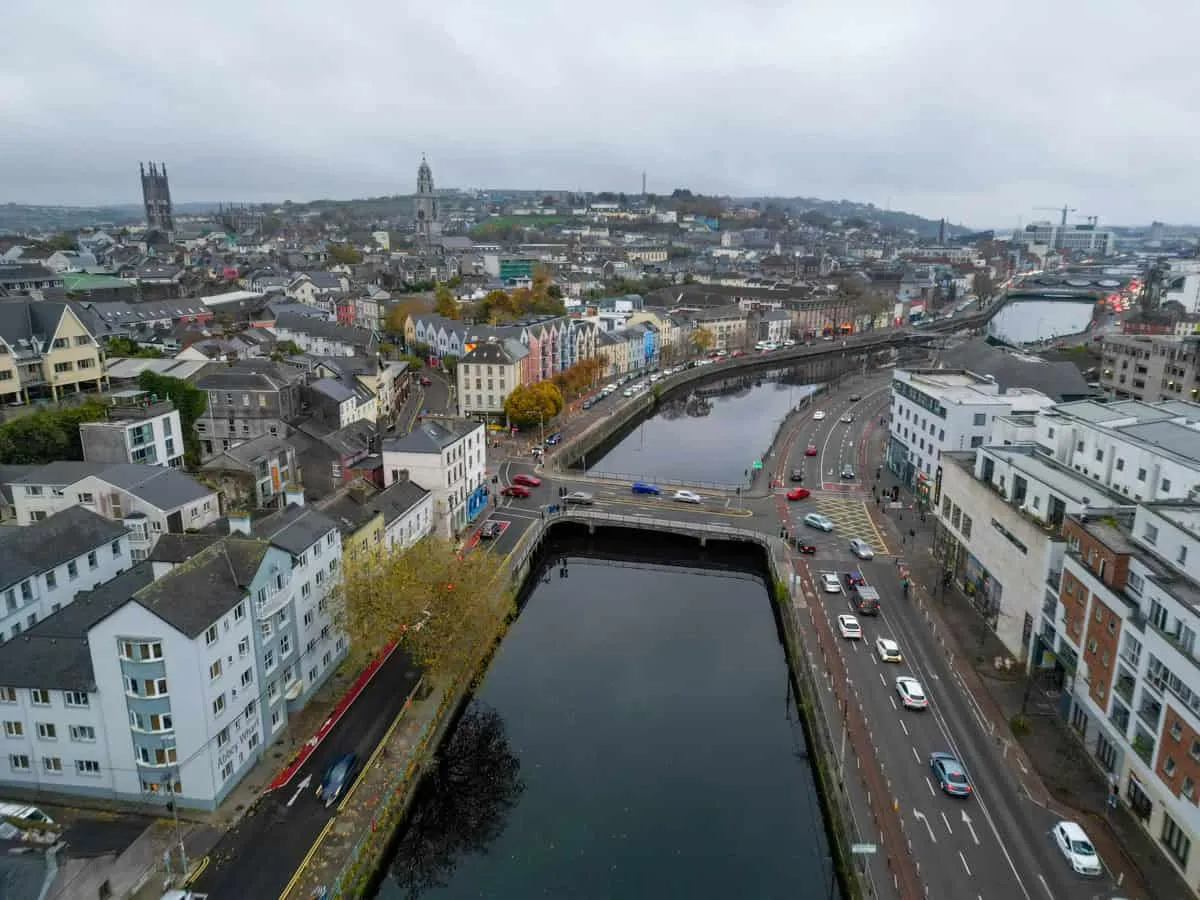
National Geographic recently put Cork on its list of the top 25 places in the world to visit, and I wasn't surprised. I didn't start visiting Cork until my 20s (30 years ago!) and I think it's really one of those cities that gets undervalued when visitors are planning their visit to Ireland.
The food and the history are certainly enough reason to head for the banks of my own lovely (River) Lee, but what's interesting about Cork is that it is a city living its own life. Dublin gets the limelight, Cork gets on with it. So if you might visit Cork, you'll get better value, a less touristy schtick, and a different kind of experience.
Why Visit Cork?
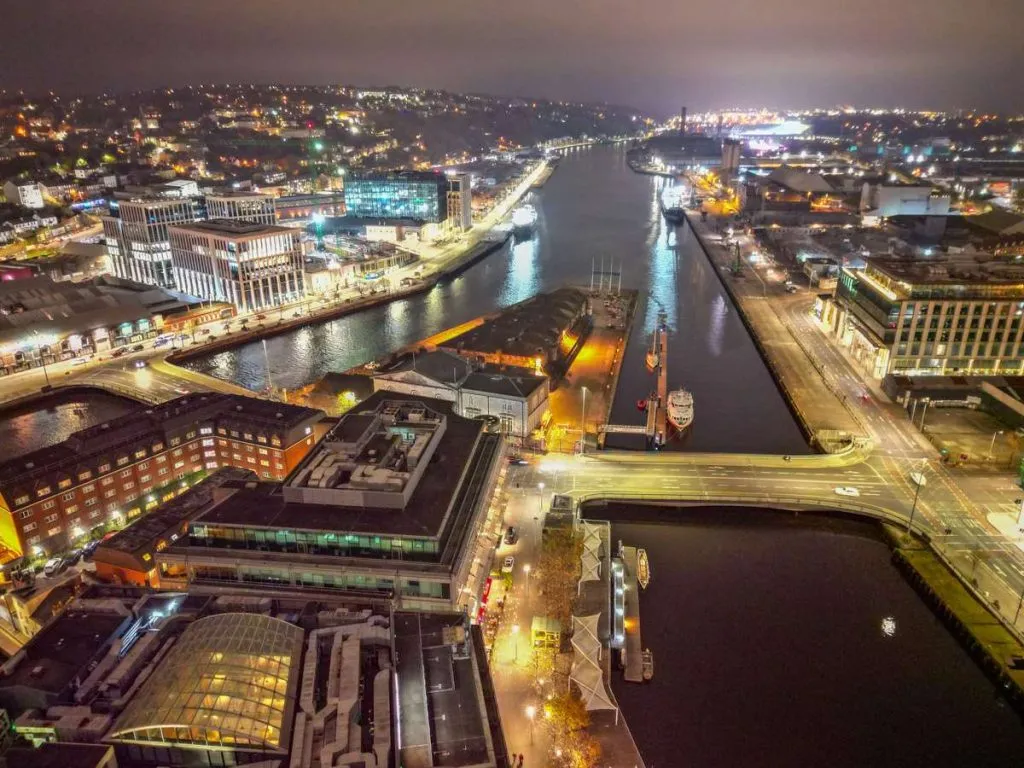
What I love about Cork is its mix. On one hand it appeals to the culture vulture in me - there's the Crawford Gallery, Cork Opera House - then, you've pubs with great trad music sessions. Cork is also rightly celebrated for its food. The English Market might be busy in the summer with tourists, but it's also genuinely popular with local Corkonians (and blow-ins like me from the North). Cork's chefs are rightly getting attention for how they use the produce of West Cork.
Most writers will send you straight to Kinsale or Cobh or Dingle as a base for the South West, but let me tell you that Cork also works really well as hub. Within 30 minutes, you have Blarney Castle, Cobh and its Titanic history, Kinsale with its colourful vibe (and more great food). You're also within a drive of West Cork's coastline, which is as good as anywhere in Ireland.
How Long Do You Need?
- One day: Wander the city, browse the English Market, ring the Shandon Bells, and spend an evening in a pub.
- Two to three days: Add a day trip to Blarney or Cobh, plus time for the galleries and food scene.
- Four or more days: Use Cork as a hub for southern Ireland, from West Cork to the Ring of Kerry.
If you can, give yourself at least two nights. Cork is better when you slow down and let the city's rhythm set the pace.
What to See and Do
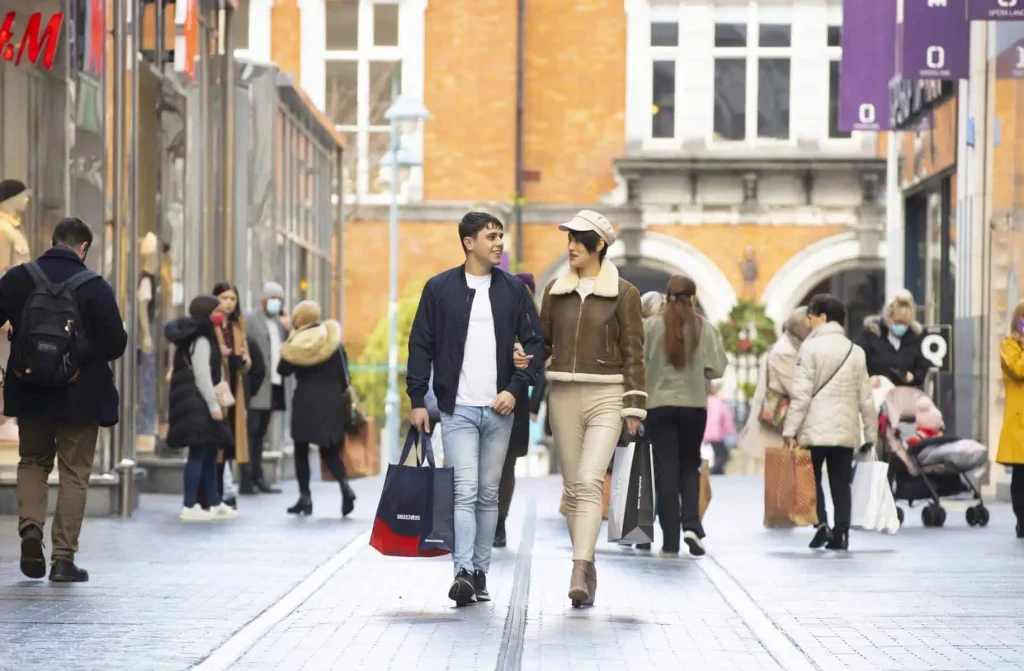
Start with the English Market, not because it's famous, but because it will give you a wee taste of how Cork eats. Clonakilty black pudding, farmhouse cheeses, fish straight from the coast, all of it's there and more. Grab a coffee and people-watch or head upstairs to the Farmgate Café for lunch.
The Crawford Art Gallery is free and well worth a couple of hours. Cork City Gaol gives you a different (sobering) look at nineteenth-century life, while the Shandon Bells let you climb the tower and ring out over the city.
You know me, I love something a bit academic, so if you've time, stroll the campus at University College Cork. The Stone Corridor is one of my favourite spots in the city, and it's usually quiet.
Food and Drink
Cork's food reputation is hard-earned, so here's a few spots worth booking. Try Paradiso for inventive vegetarian cooking, Ichigo Ichie for Japanese-Irish fine dining (my favourite fusion), and Market Lane for a relaxed but serious take on local produce. For something simpler, and I know that's a lot of my readers, McCurtain Street has plenty of options for a casual meal.
Pubs, you say? Sin É is the one I'd send people to first: tiny, a real vibe, and full of music. The Oval has proper pub food and a welcoming feel, while The Oliver Plunkett is bigger but great for live music.
Day Trips from Cork
- Blarney Castle: famous for the stone (I wouldn't but you do you), but stay for the gardens.
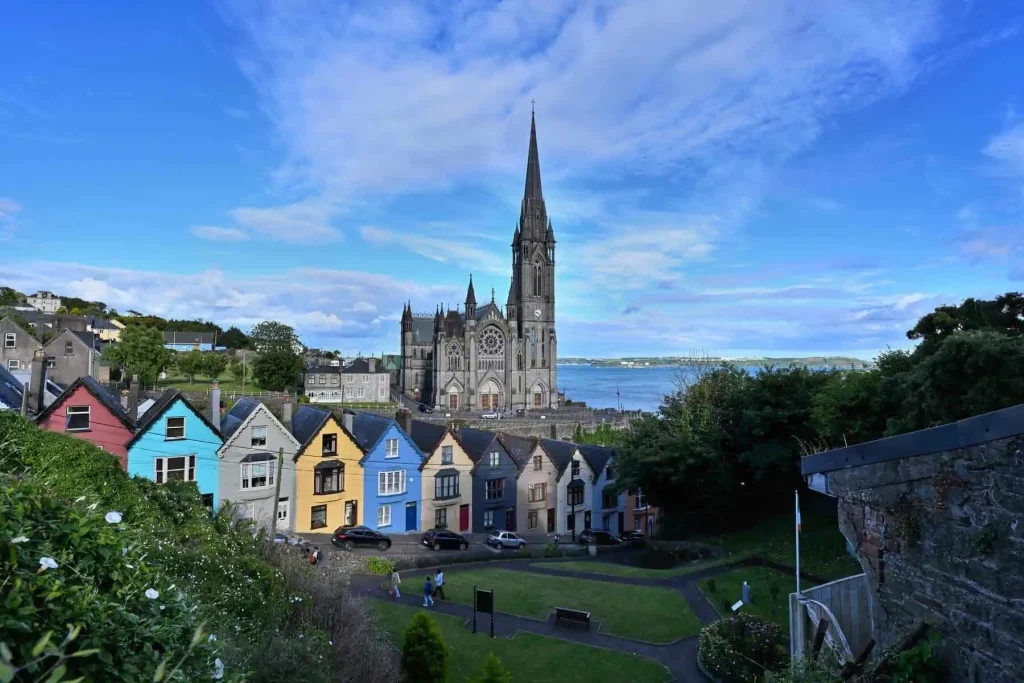
- Cobh: Titanic history, colourful harbour, and St Colman's Cathedral towering above it.
- Kinsale: food capital of the south, with two historic forts and a scenic harbour.
- West Cork: villages, inlets, and a coastline that feels endless. I have "connections" in Castletownshend!
Read my suggestions for day trips from Cork (as your base) and how to get there.
Practicalities in Brief
- Getting there: Don't rule out Cork Airport if you're coming from Europe, or it's 2.5 hours from Dublin by train.
- **Getting around: **The city is very walkable, with buses and taxis for longer hops.
- Where to stay: The Imperial Hotel for history, The River Lee for a modern riverside option, or Garnish House if you want a local B&B feel.
- When to visit: Summer is busiest but a nice vibe, spring and autumn are better value although the weather can vary (that's the maritime climate for you), and the winter is nicely lit and usually quite quiet.
Final Thoughts
Cork doesn't compete with Dublin or Galway, it very much has its own vibe and does its own thing. That's part of its appeal. You can spend the morning with a coffee in the English Market, the afternoon in a gallery, and the evening listening to tunes in Sin É, and none of it will feel staged. Cork is a city that rewards curiosity. If you let it, it will surprise you with its warmth and keep you coming back.
People here often talk about Cork as the "Rebel City." The name comes from its role in Ireland's War of Independence and Civil War, but in truth it goes deeper. Cork has always had a streak of independence, whether that's in its politics, its food scene, or its music. It doesn't wait for (or want) Dublin's approval. That spirit of doing things its own way is still what makes Cork stand out today.