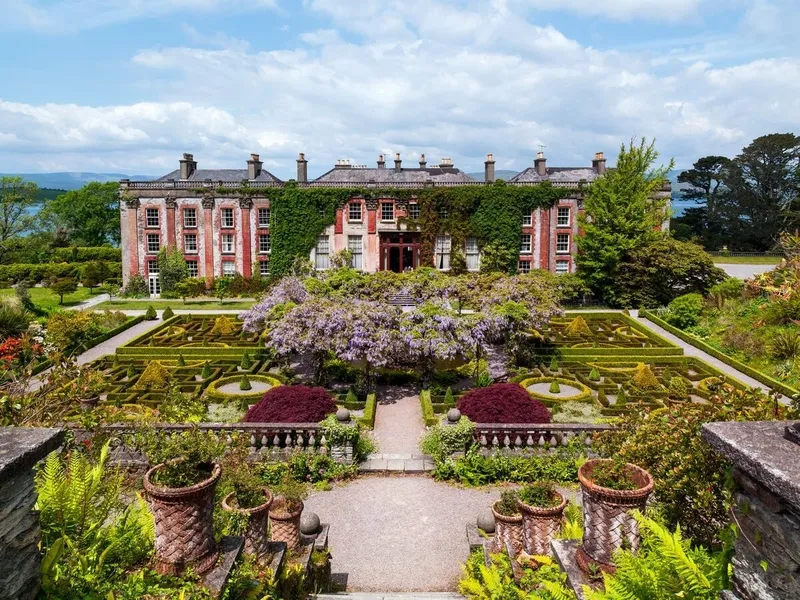
West Cork is where half of Dublin's creative class has relocated, and the food and craft scene reflects it. The stretch from Clonakilty through Skibbereen to Bantry is rural Ireland at its most polished - not in a manicured way, but in the sense that everything works. The food is excellent, the beaches are empty, and the pace of life is aggressively unhurried.
This is not a single destination but a region. You could spend three days in West Cork and barely scratch the surface. The key is picking a base - Clonakilty, Skibbereen, or Bantry - and radiating out. Trying to drive the whole coast in a day will leave you exhausted and frustrated. West Cork does not reward rushing. See the County Cork hub for the full picture.
What to Expect
Start in Clonakilty. It is a market town with a surprising amount going on - good restaurants, a model railway village, and Inchydoney Beach ten minutes south. Inchydoney is two crescent beaches joined by a headland with a hotel on top. The sand is firm, the water is clean, and on a summer evening the light is golden. It fills up on sunny weekends but there is always space if you walk past the car park end.
From Clonakilty, the N71 runs west through Rosscarbery and Skibbereen. Skibbereen was one of the towns worst hit by the Famine and the heritage centre tells the story without flinching. It is now a lively town with good cafes and a weekly market. The Ilen River walks on the edge of town are pleasant and rarely busy.
Bantry sits at the head of Bantry Bay. Bantry House is the headline attraction - a Georgian mansion with Italianate gardens and views over the bay that justify the EUR 14 entry. The house itself is slightly faded, which adds to its character. The town has good restaurants and a weekly Friday market that draws people from across West Cork.
The beaches between these towns are the hidden reward. Barleycove near Mizen Head has golden sand and dunes. Long Strand near Castlefreke is quieter. Warren Beach in Rosscarbery is sheltered and family-friendly. None of them are crowded even in August.
Is It Worth It?
Treat it as a region rather than a stop and it repays several days. The coast from Clonakilty through Skibbereen to Bantry has the best food in rural Ireland and beaches that stay empty. Pick one town as a base and radiate out from it. Two full days is the minimum and three or four is where it starts to make sense. Most of it costs nothing, with the beaches free and Bantry House and Gardens at EUR 14.
The catch: West Cork requires a car. Public transport between towns is poor and the best beaches and viewpoints are on side roads. The weather is milder than the rest of Ireland but still unpredictable - you can have four seasons in one lunch. And restaurant prices in the popular towns are not cheap. Budget EUR 35-50 per person for a decent dinner.
How to Get There
From Cork city, Clonakilty is 50 minutes via the N71. Bantry is about 90 minutes. The road is scenic but single-carriageway for most of the way. A rental car is essential for West Cork.
Bus Eireann runs services from Cork to Clonakilty (hourly, 1 hour) and Bantry (several daily, 1.5 hours). These get you to the towns but not the beaches or countryside between them.
From Dublin, allow 4 hours to Clonakilty via the M7/M8 to Cork and then the N71 west.
Where to Stay Nearby
Pick a base and stay put. Clonakilty for beaches and food. Skibbereen for a central location. Bantry for the bay and the house. The County Cork hub covers accommodation across the county.
On the headland between two beaches at Inchydoney. Spa, sea views from most rooms, and you can walk on the sand before breakfast.
Check availability →What Else is Nearby
A Note on the History
West Cork's story is bound up with the Famine. Skibbereen was one of the worst-affected towns in Ireland. The mass Famine graves at Abbeystrowry contain an estimated 8,000-10,000 people. The Heritage Centre in town does not soften this. It uses contemporary newspaper reports and witness accounts that are as direct as anything you will read about the period.
More recently, West Cork was a stronghold of the IRA during the War of Independence. Michael Collins was from Clonakilty and was killed in an ambush at Beal na Blath, 30 minutes north, in 1922. The Michael Collins Centre near Clonakilty tells his story.
Frequently Asked Questions