County Cork
Ireland's largest county and its most self-assured. Cork city has the best food scene on the island and a personality that Dublin envies. West Cork's coast runs from Kinsale's harbour restaurants to the wild Beara Peninsula. And Cobh's emigration history hits harder than anywhere else in Ireland.
Cork is Ireland's largest county and it never lets you forget it. Corkonians have a cheerful conviction that their city is the real capital - they call it that without irony - and while Dublin rolls its eyes, there is something to the claim. Cork city has the best food scene in Ireland, a live music culture that competes with Galway, and an independence of spirit that comes from being big enough to not need Dublin's approval.
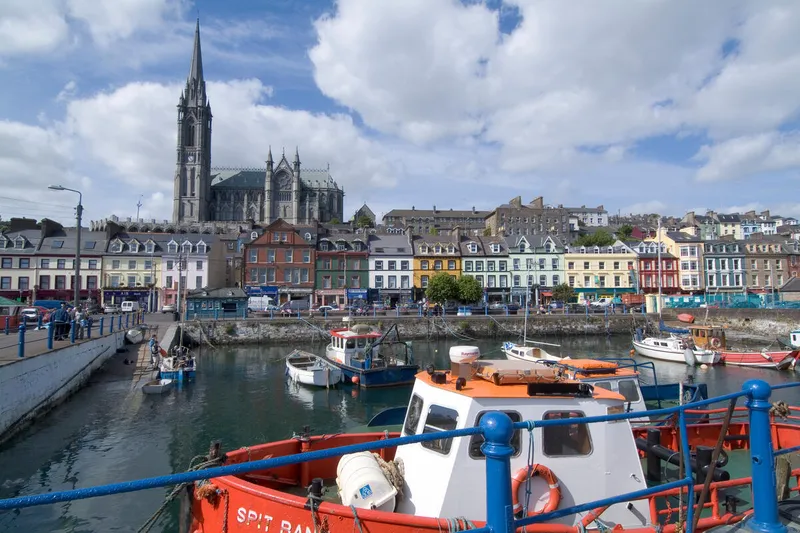
But the county is far more than the city. West Cork is one of the most beautiful stretches of coastline in the country - Kinsale, Clonakilty, Skibbereen, Bantry, and the Beara Peninsula. The food trail through West Cork alone justifies a week. And then there is Cobh, the last port of call for the Titanic and the departure point for millions of Irish emigrants - a place with a weight of history that the colourful waterfront only partly disguises.
Cork rewards time more than most Irish counties. The city needs two days minimum to do properly - one is not enough and you will leave thinking it was just a smaller Dublin, which it is not. West Cork needs three to four days if you want to eat well and explore the coast. Do not try to combine Cork with the Ring of Kerry in a long weekend. Pick one and do it properly.
Below you'll find our complete Cork intelligence - where to base yourself, what's genuinely worth your time, and the practical stuff that the tourism brochures conveniently skip. Everything from first-hand experience.
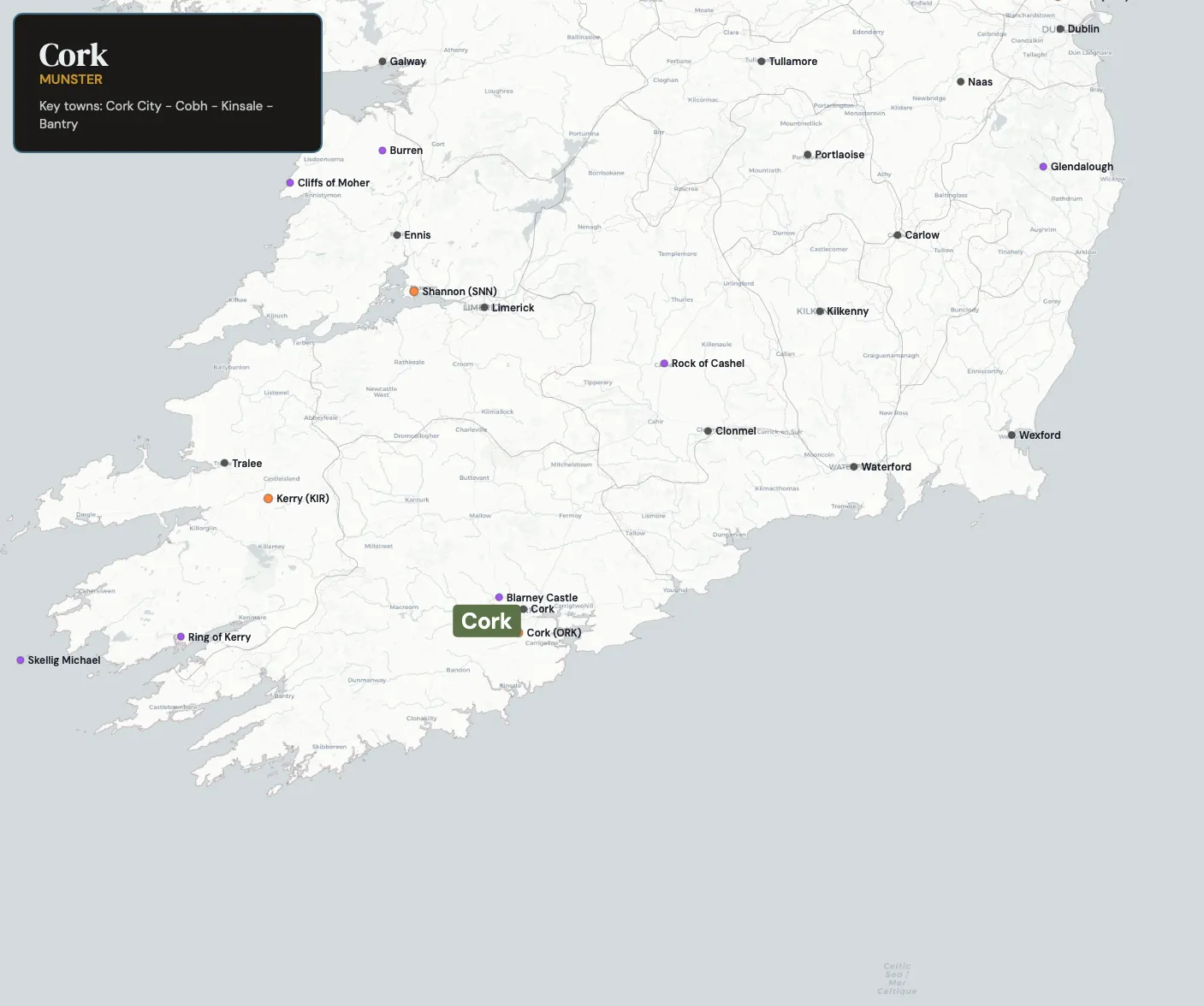
Where is County Cork?
Signature Destinations
The places that make Cork worth the drive. Arranged by genuine impact, not alphabetical order.
City Full guide Cork City
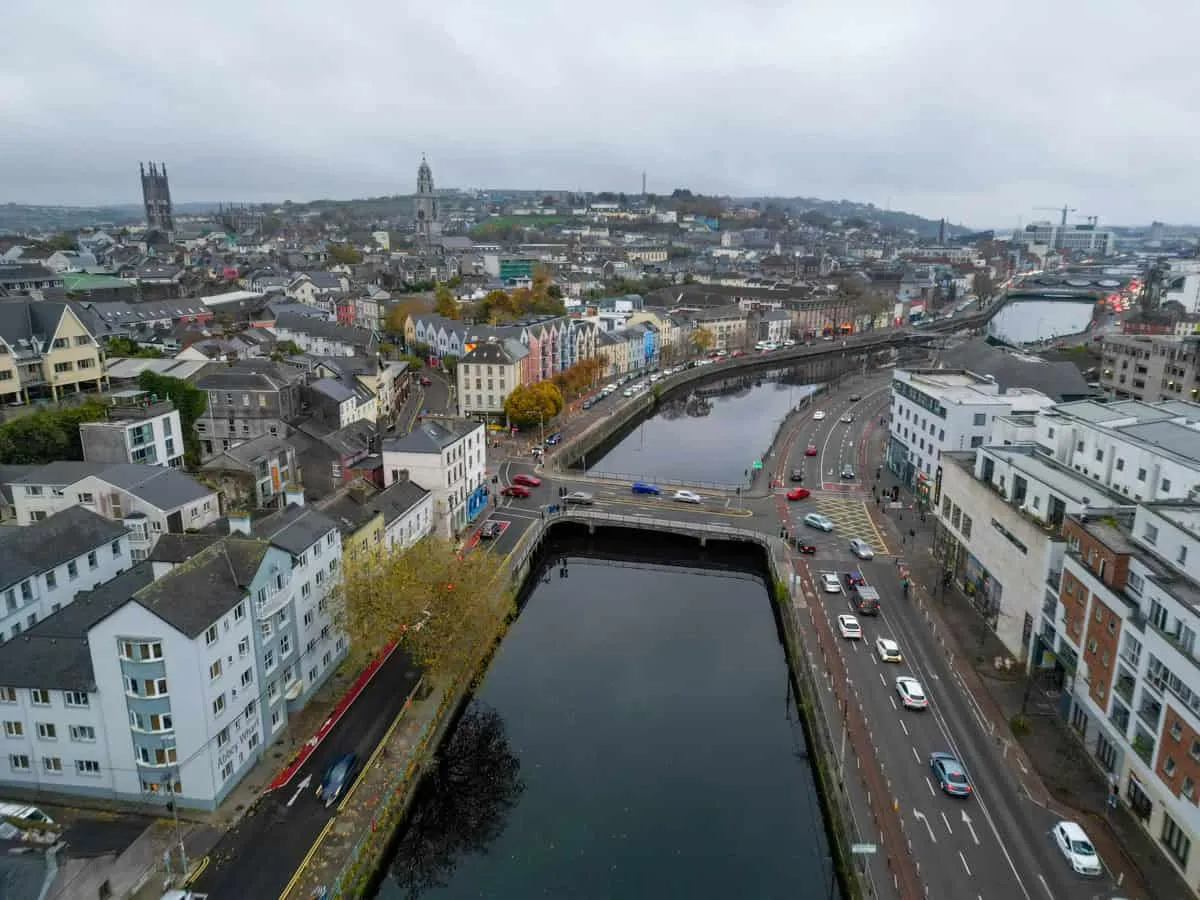
Ireland's second city and its best food city. The English Market is a working market, not a tourist attraction that happens to sell food - though it is that too. The city is built on islands in the River Lee and has a topography that makes it more interesting to walk than Dublin. The pub scene is excellent and considerably cheaper.
Heritage Full guide Cobh
The last port of call for the Titanic, and more importantly, the point of departure for 2.5 million Irish emigrants between 1848 and 1950. The Cobh Heritage Centre does not sentimentalise this. The town itself is strikingly colourful and sits on a steep hill overlooking one of the world's largest natural harbours. Twenty minutes from Cork city by train - one of the most scenic short rail journeys in Ireland.
Harbour Town Full guide Kinsale
A harbour town that has reinvented itself as a food destination. Restaurants here punch well above the town's size. The old fort at Charles Fort is worth an hour, and the harbour walk is one of the prettiest in Ireland. Busy in summer but not overwhelmed. Thirty minutes south of Cork city.
Region Full guide West Cork Coast
The stretch from Clonakilty through Skibbereen to Bantry is West Cork at its best. Small towns with excellent food, empty beaches, and a pace of life that is aggressively unhurried. This is where half of Dublin's creative class has relocated, and the food and craft scene reflects it. Allow three days minimum.
Peninsula Full guide Beara Peninsula
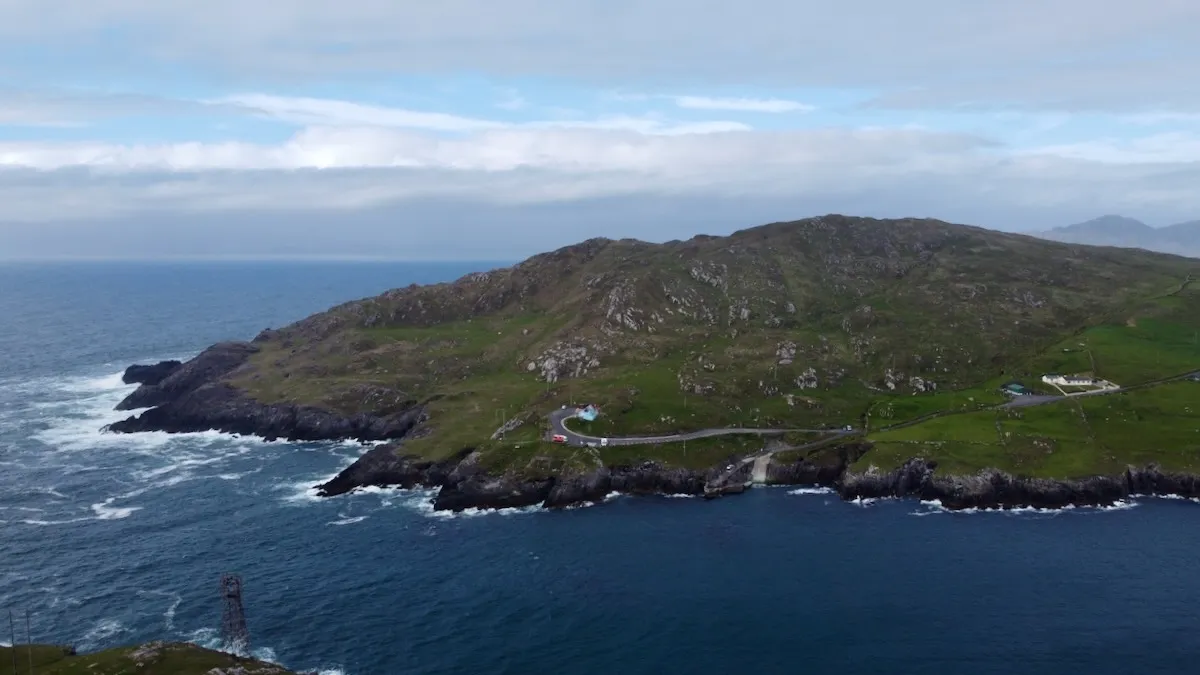
The peninsula that Kerry forgot. The Beara Way runs along the border between Cork and Kerry, and it has the drama of the Ring of Kerry with a fraction of the traffic. Castletownbere is the main town - a working fishing port, not a tourist town. The Healy Pass across the Caha Mountains is one of the most spectacular drives in the country.
Heritage Full guide Blarney Castle
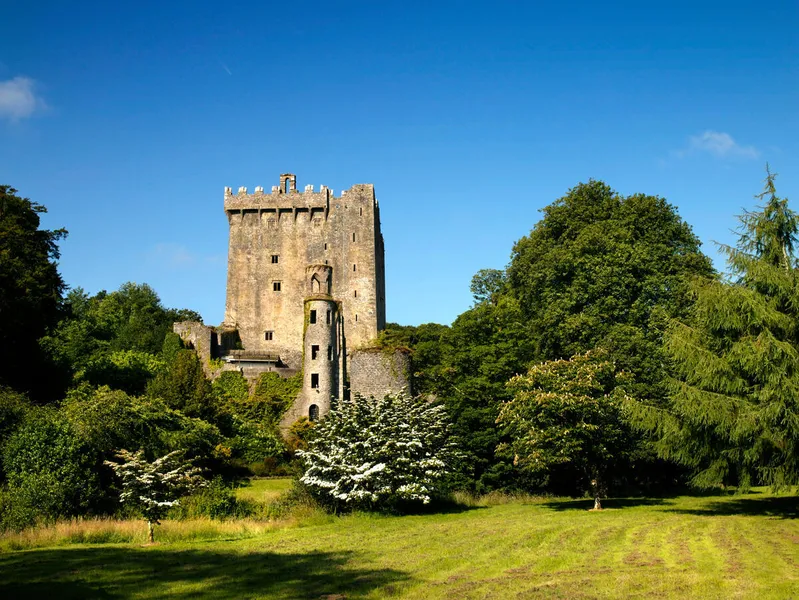
Let's get this out of the way: yes, you queue to lie on your back and kiss a stone. It is exactly as daft as it sounds and the castle knows it. That said, the gardens are genuinely impressive and rarely crowded because everyone is queuing for the stone. If you go, arrive at opening time. If you skip it, you are not missing anything that matters.
Where to Base Yourself
Donegal is big. Where you sleep determines what you can reasonably see. Choose based on what matters to you.
Cork City
Town guideThe obvious base and the right one. Excellent restaurants, good pubs, proper public transport, and a personality that takes about 48 hours to appreciate. The city centre is compact and walkable. Stay near the English Market or on the Western Road for the best balance of access and atmosphere.
Read guide →Kinsale
A colourful harbour town with more good restaurants per capita than anywhere in Ireland. Works as a base for the south Cork coast, though the roads west can be slow. Best for two or three nights rather than a quick stop. The craft beer scene has taken off in recent years.
Clonakilty
A market town with a famous black pudding, a strong music scene, and Inchydoney Beach ten minutes down the road. The best base for exploring central West Cork without committing to the further reaches of Bantry and Beara. Good value accommodation compared to Kinsale.
Bantry
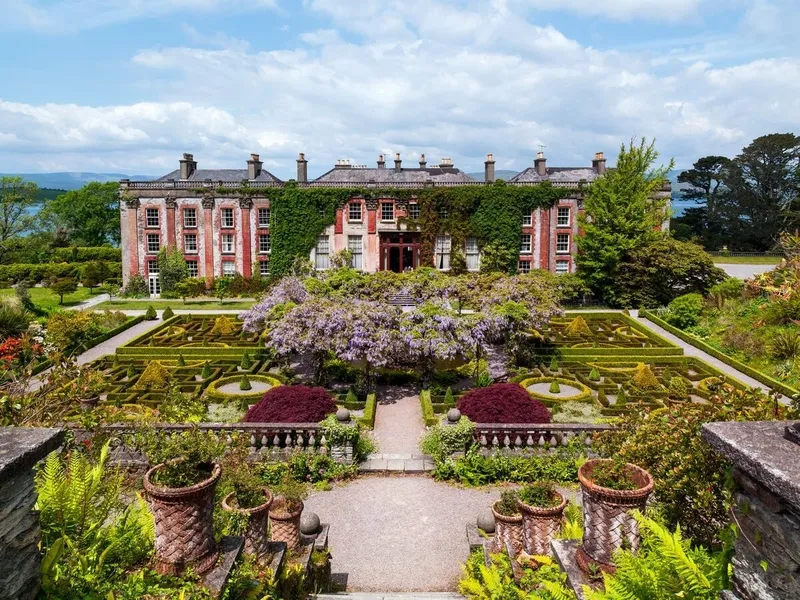
A small town at the head of Bantry Bay, at the junction between the Sheep's Head and Beara Peninsulas. Bantry House and gardens are worth a visit. The Friday market is excellent. This is where West Cork starts to feel genuinely remote - in a good way. From here, the Beara is a short drive north.
Getting There & Around
Cork Airport (ORK)
Ireland's second-busiest airport with direct flights from the UK, Europe, and some seasonal transatlantic routes. Fifteen minutes south of the city centre by bus or taxi. Well connected and easy to navigate. If you are heading for West Cork or Kerry, flying into Cork instead of Dublin saves you hours of driving.
From Dublin
About 2.5 hours on the M7 and M8 - motorway the entire way and one of the easiest long drives in Ireland. The road is fast and well-maintained. Cork is arguably more accessible from Dublin by car than Galway is, despite being further south.
By Train
Irish Rail runs Dublin to Cork multiple times daily, about 2 hours 40 minutes. The Kent Station is a fifteen-minute walk from the city centre. This is one of Ireland's best intercity rail connections - fast, frequent, and practical. The Cork to Cobh commuter train is excellent for a day trip.
From Kerry
About 1.5 hours from Killarney to Cork city via the N22. The road is good but not motorway standard. Many visitors combine Kerry and Cork, which makes sense geographically - but give each enough time. A day in Cork between Kerry legs is not enough.
By Bus
Bus Eireann, GoBus, and Aircoach all run Dublin to Cork. Aircoach is direct and does not stop at every town en route. From Cork, Bus Eireann connects to Kinsale, Clonakilty, Skibbereen, and Bantry, but services thin out as you head further west.
When to Visit
Cork has the longest good season of any county in this guide. The Gulf Stream influence and southern position mean May through September are reliable, and October is often surprisingly mild. The city works year-round. West Cork is best from May to September, though the food scene runs twelve months.
Where to Stay
Cork city has more hotel choice than you might expect for Ireland's second city. West Cork is guesthouses, B&Bs, and self-catering cottages. Kinsale fills a boutique niche.
The River Lee Hotel, Western Road, Cork City
Modern, well-run, and in the right part of the city - a ten-minute walk to the English Market and the main streets. The river-facing rooms are worth requesting. Cork city hotels are generally better value than Dublin equivalents, and this is a good example. Solid four-star without pretension.
Hotels
Cork city has an excellent range at every price point. Kinsale and Clonakilty have good boutique options. Further west, the choice narrows to guesthouses and country houses.
B&Bs
Strong B&B culture across the county, particularly in West Cork. Many are run by families who also farm - breakfast is often spectacular. Quality is generally high but check recent reviews.
Self-catering
West Cork cottages are the classic option for longer stays. The food scene means you will want a kitchen - the farmers' markets and local producers make self-catering a genuine pleasure here, not just a budget compromise.
Finding Your Cork Roots
Cork's emigration history is inseparable from Cobh. Between the Famine and the mid-twentieth century, 2.5 million people left Ireland through this port - many of them from Cork itself, but also from across Munster and beyond. The Cobh Heritage Centre documents this in detail that does not shy away from the reality. If your surname is Murphy, O'Sullivan, McCarthy, Walsh, or O'Brien, Cork is one of the most likely origins - Murphy alone is the most common surname in the county and one of the most common in Ireland.