A local's insider perspective from someone who lived in Dublin for 10 years and still works in the city.
Dublin isn't just Ireland's capital, it's the place that all roads lead, where ancient Viking roots sit side by side with a modern European city. Having called Dublin home for over a decade and worked here as a singer (plus a lot of more mundane jobs!), I'll share the insider knowledge that transforms a good Dublin visit into an unforgettable experience.
This isn't your typical tourist board guide, although of course, I'll tell you all about the must-see hotspots. I'm mixing in a bit more of real Dublin, the city where Joyce wandered and where traditional music sessions still happen in centuries-old pubs. You might be here for a weekend city break, or using Dublin as your Irish adventure launchpad, either way, this guide covers everything you need to know.
Why Dublin Should Be on Your Ireland Itinerary
What Makes Dublin Special
Dublin's story spans well over 1,000 years, from Viking settlement to medieval city to Georgian grandeur to modern European capital. You'll see this history layered throughout the city: cobblestone streets leading to very modern cafes, medieval cathedrals sitting happily beside cutting-edge theatres.
Unlike some European capitals where local culture has been pushed out by tourism, Dublin's cultural life remains remarkably genuine. The pub sessions are real, the literary tradition is alive and well, and you might well hear Irish being spoken on the street and hear a busker playing a traditional reel.
With around 1.3 million people in Dublin (including the suburbs), Dublin feels more like a large town than a major capital. You can walk across the main part of the city centre in 20 minutes, and by day three, you might even start to recognise people (but that might just be the drink).
Dublin vs Other Irish Destinations
Planning Your Dublin Visit
How Many Days in Dublin?
2-3 Days: Perfect Introduction
This covers major attractions without rushing, allows time for both sightseeing and pub culture, and could include a one day trip to places like Howth or the Wicklow Mountains. It's realistic for most Ireland itineraries.
4-5 Days: Deep Dive
Multiple day trips become possible, you'll have time to explore areas beyond the immediate city centre, opportunities for cultural events like theatre at the Abbey or concerts, and a relaxed pace to enjoy Dublin's café culture.
1 Day: Transit Stop
Focus on Trinity College, Temple Bar, and the Guinness Storehouse if you want to hit the main tourist drag. Stay in the city centre for efficiency (I've listed some great hotels below) and consider using a hop-on-hop-off bus to maximise your time.
Best Time to Visit Dublin
My recommendation: I love late spring (April-May) or early autumn (September-October) as they offer the best balance of weather, crowds, and prices.
Weather Reality Check
Dublin's weather is famously unpredictable. "Four seasons in one day" isn't just a saying, it's a bit of a warning. Always pack a waterproof jacket (essential year-round), layers (you'll add and remove clothing multiple times daily), comfortable walking shoes (often wet streets), and a small umbrella (locals always carry one).
Getting to Dublin
Dublin Airport (DUB)
From major cities, you'll find flights from London (1hr 20min, multiple daily options), New York (6hr 30min direct red-eye flights), Paris (2hr 30min, good connections), and Frankfurt (2hr 15min, Lufthansa hub).
Airport to City Centre
Book reliable Dublin Airport transfers - Skip the taxi queues and ensure someone's waiting for you after your flight.
Compare Dublin Airport car rental deals - Essential if you're planning to explore beyond Dublin or take day trips to Wicklow or the west coast.
Other Entry Points
Ferry services run from Holyhead, Wales (3hr 15min to Dublin Port), Liverpool (8hr overnight ferry), and Cherbourg, France (17hr ferry service). Train connections include the Belfast to Dublin Enterprise service (2hr 15min with beautiful coastal views and it chugs through my home county of Armagh).
Getting Around Dublin
Public Transport Overview
Dublin's Leap Card works on all buses, DART trains, and Luas trams. It's available at the airport, train stations, and many shops. It's cheaper than individual tickets and essential for multiple journeys.
Transport Options
Walking Dublin
Dublin is brilliantly walkable. The city centre is compact, and most major attractions are within a 15-20 minute walk of each other.
Key walking routes include:
- Trinity College to Temple Bar: 5 minutes through the heart of old Dublin
- Grafton Street to O'Connell Street: 10 minutes across the Liffey via Ha'penny Bridge
- Dublin Castle to Christ Church Cathedral: 5 minutes through medieval Dublin
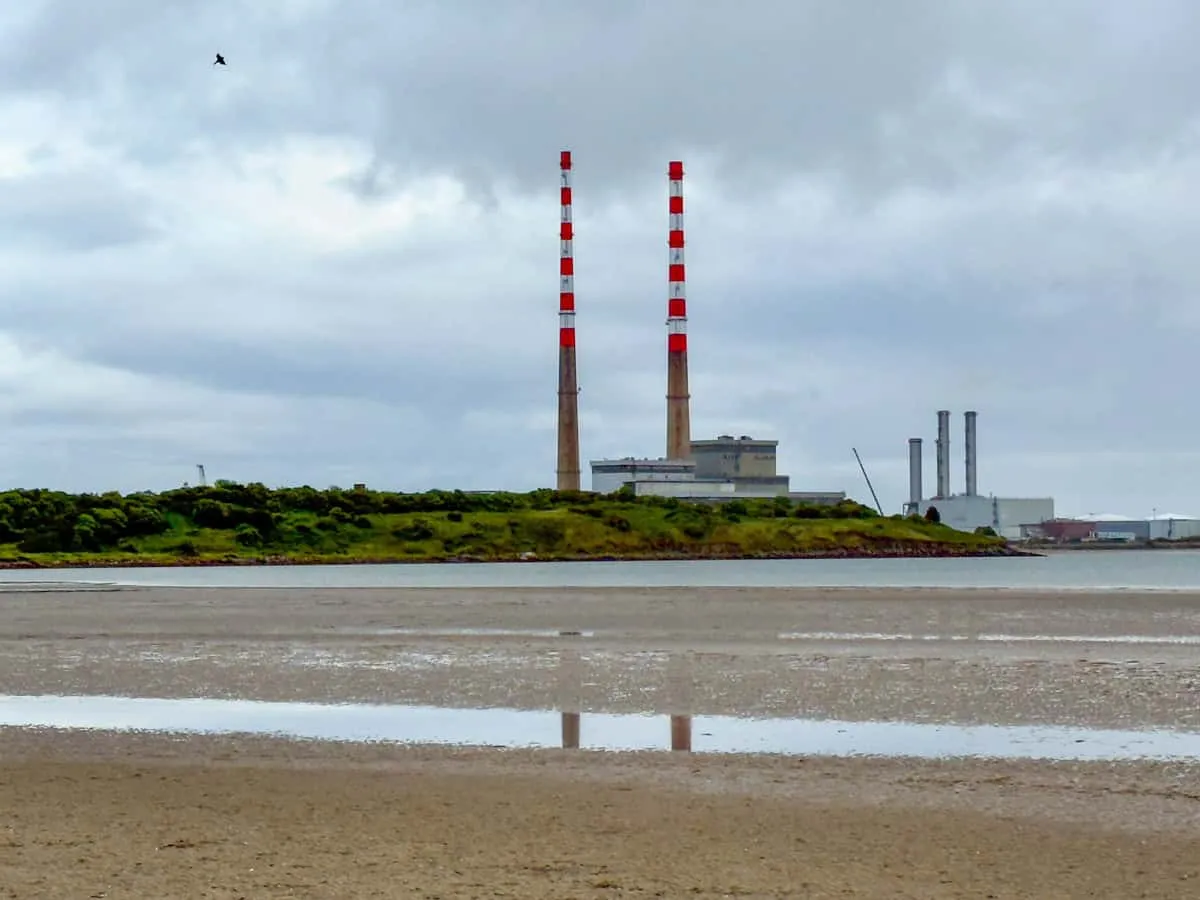
Use Ha'penny Bridge for the most scenic river crossing, enjoy Grafton Street which is pedestrianised and perfect for strolling and looking in the shop windows, explore Phoenix Park's 7km of walking paths (larger than Central Park), and consider the Dublin Bay coastal walk from the city centre to Poolbeg Lighthouse.
Where to Stay in Dublin
Best Areas for Visitors
City Centre South (Trinity College Area)
This area is best for first-time visitors who want to walk to attractions. The character is Georgian elegance with high-end shopping and cultural sites. You'll find central location, premium restaurants, and safe surroundings.
Book Trinity College area hotels - Premium options include The Shelbourne, Conrad Dublin, and Trinity City Hotel.
Temple Bar Area
Perfect for nightlife enthusiasts seeking cultural immersion. The character features cobblestone streets, traditional pubs, and live music. You'll have authentic Dublin atmosphere and everything is walkable, though it can be noisy at night and very touristy.
Find Temple Bar accommodation - Stay in the heart of Dublin's cultural quarter.
Grafton Street/Stephen's Green
Ideal for shopping, dining, and business travelers in an upscale shopping district with the most beautiful park. You'll find excellent restaurants and easy transport links.
Book Grafton Street hotels - Top choices include The Green, Hilton Dublin, and Brooks Hotel.
Docklands/IFSC
Good for those wanting modern amenities in the business district. The character is contemporary architecture with riverside location. Advantages include newer hotels, good value, and excellent transport.
Compare Docklands hotels - Modern options like Spencer Hotel and Hilton Garden Inn offer great value.
Accommodation Types
Find the perfect place to stay in Dublin - Compare prices across all categories and book with free cancellation.
Neighborhood Safety for Visitors
Very safe areas include the Trinity College vicinity (academic area, well-maintained), Grafton Street/Stephen's Green (premium shopping district), Temple Bar (tourist area with good foot traffic, but it can be noisy), and Docklands (modern, well-lit business district).
Areas requiring normal city awareness include the O'Connell Street area (busy but some antisocial behavior) and certain side streets (stick to main thoroughfares at night). Read more about staying safe in Dublin City centre.
What to Do in Dublin
Must-See Attractions
Historic Dublin
Trinity College & Book of Kells Ireland's oldest university houses illuminated medieval manuscripts. Visit for the stunning Long Room library and Irish cultural treasures. Allow 1-2 hours and visit early morning to avoid crowds.
Book Trinity College & Book of Kells tickets - Skip the lines with advance booking, especially during summer months, when tickets frequently sell out.
Dublin Castle - The former seat of British power now hosts Irish state functions. You'll see 800 years of Irish history and beautiful state apartments. Allow 1.5 hours, and note that the guided tour reveals hidden stories not included in the self-guided version.
Reserve a private Dublin Castle guided tour - Get the full historical context with expert guides.
Christ Church Cathedral - This medieval cathedral has Viking foundations, stunning architecture, and an underground crypt. Allow 1 hour, and consider going on to the nearby Dublinia museum to explore some Irish history.
Book Christ Church Cathedral tickets - Easy self-guided tickets which offer great value for history lovers.
Cultural Experiences
Guinness Storehouse This interactive brewery experience takes place in the original fermentation building. You'll learn the brewing process and enjoy panoramic city views from the Gravity Bar. Allow 2-3 hours and pre-book tickets online for guaranteed entry.
Book Guinness Storehouse tickets - Guarantee your pint with a view at Dublin's most popular attraction.
Kilmainham Gaol The former prison is now a museum of Ireland's independence struggle. It offers a powerful historical experience with excellent guided tours. Allow 1.5 hours and book 4 weeks in advance - tickets release at midnight Irish time. NOTE: no third party can sell tickets to the Gaol - use the official link here.
Temple Bar Cultural Quarter This cobblestone area features traditional pubs, galleries, and live music. Visit for an insight into Irish pub culture and traditional music sessions. It can be very touristy, so be warned! Evening visits are recommended, though early afternoon is less crowded and better for photos.
Join a Central Dublin pub crawl - Experience Dublin's most famous central areas with local guides who know the best traditional music sessions.
Cultural Experiences
Traditional Music
Find authentic sessions at The Brazen Head (Ireland's oldest pub, established 1198), O'Donoghue's (where The Dubliners started), The Cobblestone (Smithfield area, serious traditional music venue), and Hughes' Bar (family-run pub with regular sessions). (I love the Cobblestone).
For session etiquette: arrive early to get seats, buy drinks between sets, don't request songs unless invited, and listen respectfully - these are real musicians, not 'background entertainers'.
Literary Dublin
Visit the Dublin Writers Museum for an overview of Ireland's literary heritage, James Joyce Tower (Martello tower featured in Ulysses opening), join the Dublin Literary Pub Crawl (theatrical walking tour), or explore the Writers Museum dedicated to Dublin's Nobel Prize winners.
Book Dublin Literary Pub Crawl - Combine Ireland's two greatest exports: literature and great pubs, with theatrical performances along the way.
Day Trips from Dublin
Book Glendalough day tour from Dublin - this is a HALF-DAY trip (highly recommended). Experience Ireland's most atmospheric monastic site with transport included.
Join Newgrange and Monasterboice tour - Explore Ireland's ancient history with this UNESCO World Heritage site.
Rent a car for Wicklow Mountains exploration - The freedom to stop at hidden viewpoints and charming villages makes driving the best option for the "Garden of Ireland."
Dublin Food & Drink Scene
Traditional Irish Food
Try the Irish breakfast (black pudding, white pudding, soda bread), boxty (traditional potato pancake), coddle (Dublin stew with sausages and bacon), colcannon (mashed potatoes with cabbage or kale), and brown bread (dense, wheaten bread served with butter). I love white pudding, don't understand coddle as I wasn't born to it, and would eat wheaten bread as my only food.
Restaurant Recommendations by Budget
Fine Dining
Chapter One offers a Michelin-starred restaurant with exceptional Irish cuisine. Restaurant Patrick Guilbaud serves French cuisine and is a Dublin institution (expensive, though). The Greenhouse provides contemporary Irish with seasonal ingredients.
Mid-Range
The Winding Stair is a literary café with Irish focus on Ormond Quay. Fade Street Social offers modern Irish with great atmosphere. The Fumbally is an artisanal café with healthy options.
Casual/Budget
George's Street Arcade is a food market with diverse options. Leo Burdock has served traditional fish and chips since 1913 and is a proper Dublin institution. Soup Dragon offers Dublin's best soup selection.
Pub Culture
Traditional Pubs
Authentic Dublin pubs feature dark wood interiors, often with snugs (private booths), Guinness on tap (properly poured takes 119.5 seconds), a mix of locals and visitors, and are often family-owned for generations.
Pub Etiquette
Follow the rounds system (take turns buying drinks for your group), queue at the bar (no table service in traditional pubs), note that many pubs serve excellent meals, and remember timing: pubs close 11:30 PM Monday-Thursday, 12:30 AM weekends and 11:00 PM on Sundays.
Dublin's Whiskey Scene
Visit the Irish Whiskey Museum for guided tastings and whiskey education, The Jameson Distillery for the Bow Street experience and cocktail masterclass, or whiskey shops like Celtic Whiskey Shop and Mitchell & Son.
Practical Dublin Information
Money & Payments
The currency is Euro (€), cards are widely accepted with contactless standard, tipping is 10-15% in restaurants for good service, and ATMs are available throughout the city centre.
Language
The official languages are English and Irish (Gaeilge), though English is used everywhere with Irish appearing on street signs. Useful Irish phrases include "Céad míle fáilte" (kay-ed mee-leh fall-che): A hundred thousand welcomes, and "Sláinte" (slawn-che): Cheers/health.
Safety for Visitors
Dublin is generally very safe for tourists. The city centre is very safe during day and evening, use normal city awareness at night, stick to well-lit, busy areas after midnight, and public transport is safe at all hours. Read my guide to Dublin safety.
Weather Preparation
Essential items regardless of season include a waterproof jacket, layers (t-shirt, sweater, jacket), comfortable walking shoes, and a small umbrella. Read my essential packing list to cope with Irish weather!
Communication
Wi-Fi is available in most cafés, hotels, and public areas. Phone coverage is excellent throughout the city. The emergency number is 999 (police, fire, ambulance).
Dublin Itinerary Suggestions
2-Day Dublin Itinerary
Day 1: Historic Heart
Morning: Trinity College & Book of Kells (1.5 hours), walk through Temple Bar to Dublin Castle (1 hour), Dublin Castle tour (1 hour).
Afternoon: Lunch in Temple Bar, Christ Church Cathedral (1 hour), walk to Guinness Storehouse (2 hours).
Evening: Traditional pub dinner, live music session in authentic pub.
Book a pub tour (including traditional Irish music) - Let local guides take you to the best locations, away from the tourist traps.
Day 2: Culture & Views
Morning: National Gallery or Writers Museum (1.5 hours), walk through St. Stephen's Green, shopping on Grafton Street.
Afternoon: Kilmainham Gaol (1.5 hours), Phoenix Park walk or Dublin Zoo.
Evening: Dinner in modern Irish restaurant, literary pub crawl or theatre show.
Book Dublin Literary Pub Crawl - Experience Dublin's literary heritage while pub hopping through the city centre.
Book Abbey Theatre tickets - From the Abbey Theatre to intimate venues, Dublin's theatre scene is world-class.
3-Day Dublin Extension
Day 3: Coastal Escape
Take a full day Howth trip: DART train to Howth (45 minutes), Howth Cliff Walk (2-3 hours), seafood lunch in Howth village, explore Howth Castle & Gardens, return via Malahide (optional stop).
Book guided Howth cliff walk - Learn about local wildlife, history, and geology while enjoying Ireland's most accessible coastal hike.
Local's Secret Dublin
Hidden Gems Most Tourists Miss
Marsh's Library is a beautiful 18th-century library and Ireland's oldest public library. St. Michan's Church features underground crypts with naturally mummified remains. The Little Museum of Dublin offers a quirky collection telling Dublin's story. Chester Beatty Library houses a world-class collection of manuscripts and art.
Neighborhood Experiences
Smithfield is a redeveloped area with Jameson Distillery and weekend markets. Portobello is a hip neighborhood with vintage shops and young professional vibe. Ranelagh is a foodie destination with excellent restaurants and cafés.
Local Events
First Friday features monthly art gallery openings across the city. Dublin Food Festival is an annual celebration of Irish cuisine. Culture Night offers free access to cultural venues one evening in September.
Getting Beyond Dublin
Dublin as Your Ireland Base
Using Dublin as your base offers several advantages: daily return trips are possible to Wicklow, the east coast, and nearby counties; you have established accommodation with no need to repack constantly; it's a transport hub with easy connections anywhere in Ireland; and you have city amenities when weather turns poor.
Easy Day Trips
By Public Transport
Take the DART train to Howth (coastal village with cliff walks), Dun Laoghaire (Victorian seaside town), or train to Maynooth (historic university town).
By Car/Tour
Visit Glendalough (monastic site in Wicklow Mountains), Newgrange (Neolithic monument, UNESCO World Heritage site), or Powerscourt (estate and gardens in Wicklow Mountains).
Book full-day Wicklow Mountains tour - See Glendalough, Kilkenny, and dramatic mountain scenery without worrying about driving.
Compare car rental prices for Irish road trips - Freedom to explore at your own pace and discover parts of the country beyond the tour routes.
Extending Your Irish Journey
From Dublin, you can reach Galway (2.5 hours by bus, gateway to western Ireland), Cork (3 hours by bus, southern Ireland's cultural capital), Belfast (2 hours by train, Northern Ireland capital, check your visa requirements), or Kilkenny (1.5 hours by train, medieval city charm).
Book intercity bus tickets across Ireland - Comfortable coaches connect Dublin to every major Irish destination.
Rent a car for the ultimate Irish road trip - Drive the Wild Atlantic Way, Ring of Kerry, or any route at your own pace.
Local Insider Tips
Money-Saving Secrets
Many national museums are free, lunch specials offer better value than dinner at the same restaurants, pub food is often excellent and well-priced, DART day tickets provide unlimited travel for coastal exploration, and free walking tours offer excellent value with tip-based pricing.
Avoiding Tourist Traps
Skip restaurants directly on Temple Bar square (eat one street back for better value and quality), avoid Guinness merchandise outside the Storehouse (buy inside for authenticity), and skip horse and carriage tours (walking is more authentic and free).
Better alternatives include local pubs instead of tourist pubs, restaurants around South William St instead of tourist area dining, DART coastal trips instead of expensive bus tours, and free museums instead of some paid attractions.
Cultural Insights
Understanding Dublin Humor
Dublin wit is legendary but can be sarcastic. Don't take apparent rudeness personally - it's often friendly banter.
Pub Sessions
Traditional music sessions are serious cultural events. Listen respectfully and don't treat musicians as background entertainment.
Weather Conversations
Discussing weather isn't small talk in Ireland - it's practical information sharing. "Soft day" means light rain.
Before You Go: Essential Preparation
Booking in Advance
You must book ahead for Kilmainham Gaol (4 weeks recommended), Book of Kells during summer, restaurant reservations for weekend dinners, and theatre tickets if specific shows interest you.
Packing Essentials
Bring a waterproof jacket (not just a rain coat), comfortable walking shoes (you'll walk more than expected), layers (temperature varies throughout day), and a power adapter (Type G, three-pin-style). All of which is included in my packing guide:
Essential Ireland packing items - read my guide to get everything to survive the Irish weather (and much more) delivered before you travel.
Lightweight luggage for European travel - Perfect for Ireland's cobblestone streets and public transport.
Cultural Preparation
Read some Irish history overview (helps provide context for attractions), Dublin literature (Joyce, Behan, O'Casey), and traditional music basics (enhances pub session experience).
Final Local Advice
After 10 years calling Dublin home and working and singing my way across the city, here's what I want every visitor to know: Dublin rewards the curious. Yes, absolutely you should visit Trinity College and the Guinness Storehouse, but also stick your head into that pub where you hear music, chat with local people waiting for the bus, and explore areas on foot (if that's possible for you) beyond the tourist trail.
Dublin's greatest attraction isn't any single monument or museum (and it has plenty), but how it makes you feel welcome while solidly getting on with its own life. You'll arrive as a tourist and leave feeling like you've discovered a second home.
Whether you're here for a weekend city break or beginning your grand Irish adventure, Dublin will surprise you with its warmth, entertain you with the craic, and send you home planning your return visit.
Next Steps
Ready to explore Dublin? This guide gives you the foundation, but every Dublin visit is unique. Chat with locals, follow your curiosity, and don't be afraid to change your plans when you discover something unexpected.
Essential Dublin bookings:
- Find your perfect Dublin accommodation
- Book top Dublin attractions with skip-the-line access from GetYourGuide
- Compare car rental deals for Ireland exploration
Related Dublin Guides:
- 15 Best Things to Do in Dublin (by a local)
- Is Dublin Safe to Visit? Local's Guide
- Best Day Trips from Dublin
- Where to Stay in Dublin: best areas and hotels
Have questions about Dublin? I lived there for 10 years and love helping visitors plan memorable trips. Ask in my Facebook group: Ireland Travel Tips!