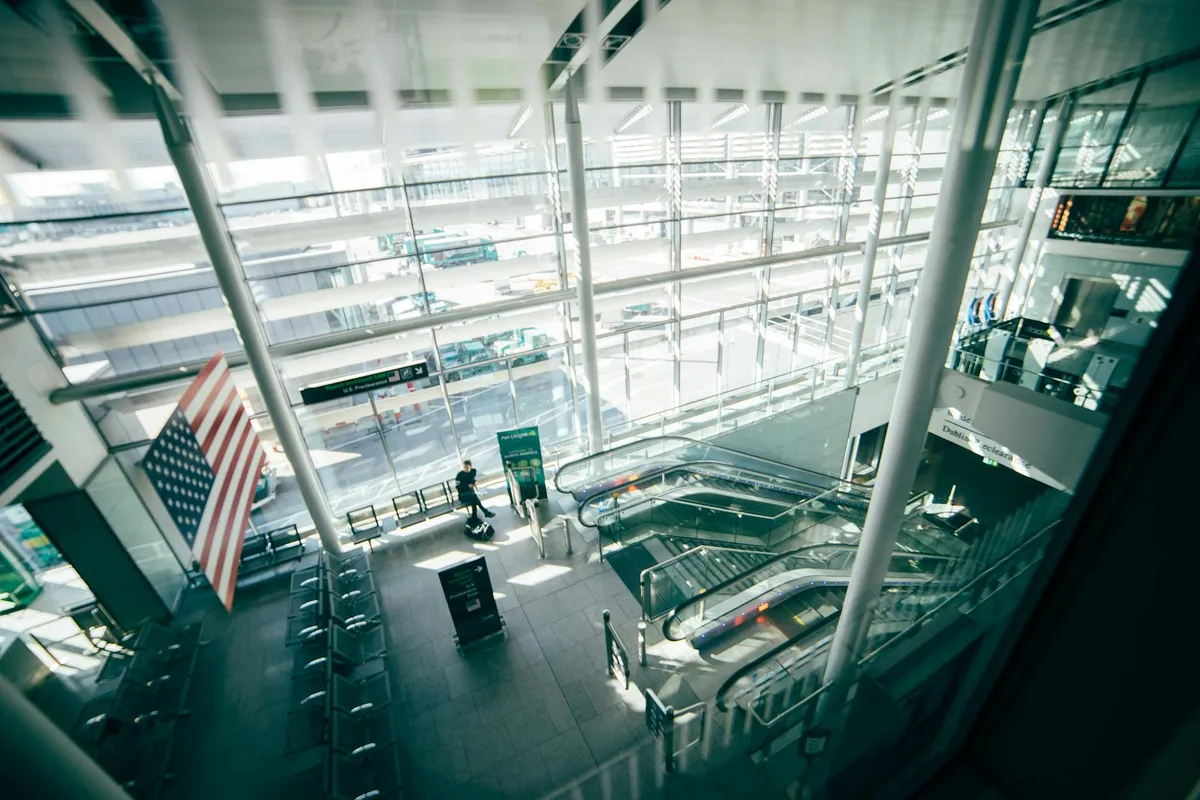
In 30 years guiding visitors through Dublin Airport, the number one panic I see is: "Which terminal, and am I late?" Here's the rule: T1 for Ryanair and most European flights; T2 for Aer Lingus, U.S. carriers, and Emirates. Terminals are 5 to 10 minutes apart landside. For short-haul, arrive 2 hours early; long-haul, 3 hours; U.S. Preclearance, add 60 to 90 minutes after security in peak. That's the bit that catches people out.
Dublin Airport (DUB) in 2026: The 60-Second Game Plan for US/Canada Travellers
Right, let's get you sorted before you even land. Dublin Airport is Ireland's front door, and whilst it's not the biggest hub in Europe, it handles over 30 million passengers a year, two terminals, and that brilliant U.S. Preclearance facility that lets you clear American immigration before you leave Irish soil. I've watched this airport grow from a single terminal in the 1980s to the modern operation it is today, and I'll tell you straight: it's efficient, but you need to know the drill.
If you remember nothing else: Check your airline's terminal the night before (T1 or T2); Ireland is not in Schengen, so you'll clear Irish immigration on arrival; the currency is the euro; DUB is a pricey airport (€4 coffee, €30-40 taxi to town); morning peaks (05:30-09:00) are brutal; and the most reliable city transport is Dublin Express or Aircoach. U.S.-bound? Add that extra hour for Preclearance. Sorted.
Terminals at a Glance: T1 vs T2 (and How to Walk Between Them)
Terminal 1 is the workhorse, home to Ryanair and the bulk of European short-haul flights. It's a no-nonsense setup: ground-floor check-in, main security feeding into a consolidated departures lounge, then out to Piers A-D. Pier D handles the quick turnarounds, think budget carriers, tight schedules, minimal frills. You'll find expanded retail and food zones post-security, but don't expect boutique shopping. It's functional.
Terminal 2 is the long-haul showcase. Aer Lingus, the IAG family (British Airways, Iberia Express, Vueling), U.S. carriers (American, Delta, JetBlue, United), and Emirates all operate from here. It's designed for wide-body aircraft and international flows: spacious check-in halls, central security, then a bright departures area with lounges and Pier E for the big jets. The architecture is modern, the flow is logical, and the U.S. Preclearance zone sits airside. More on that in a moment.
Connecting between terminals? Dead easy. Landside, it's a 5 to 10 minute covered walk, just follow the yellow signs, you can't miss it. Airside, there's no connection; you'd need to exit and re-clear security, so if you're transferring, double-check your airline's terminal before you check bags. Families and travellers needing assistance: both terminals have lifts, accessible loos, and dedicated assistance desks near check-in. Ask your airline in advance and they'll sort meet-and-greet.
Arrivals at Dublin Airport: Passport Control, Bags, Customs, and Your First 30 Minutes in Ireland
Here's what surprises Americans: Ireland is not in Schengen. We run our own immigration, so you'll clear Irish passport control on arrival, no waltzing through like you might in Amsterdam or Paris. If you're EU/EEA/Swiss, you'll likely use the eGates (biometric passport readers), quick and painless. UK citizens, you're in the Common Travel Area, but bring your passport; an ID card won't cut it.
US, Canada, Australia, New Zealand? You're visa-free for short stays (tourism, business, up to 90 days). ESTA is for entering the United States, not Ireland, so don't confuse the two. If you're from a country that requires an Irish visa, you must have it sorted before you fly; there's no visa-on-arrival here. Check gov.ie or the Irish Naturalisation and Immigration Service (INIS) for the latest.
Flow is straightforward: disembark, follow Arrivals / Baggage Claim signs, queue at immigration (usually 10 to 20 minutes unless a few wide-bodies land at once), collect your bags, stroll through customs (green channel if you've nothing to declare), and you're into the arrivals hall. Both terminals have ATMs immediately after customs, so grab euros here if you didn't sort cash beforehand. SIM cards? There's a Carphone Warehouse and a few kiosks in T1 arrivals; T2 has similar. Car rental desks are in both arrivals halls. If you're driving, this is where you'll pick up keys and directions to the car park.
One crucial note: if you're flying onward to a Schengen country (France, Spain, etc.), you'll still need Schengen-compliant documents. An Irish visa or Irish entry stamp doesn't grant Schengen access, so plan accordingly.
Departures 2026: Check-In, Bag Drop, Security, and the New C3 Scanner Rules
Departures flow: arrive at the kerb or bus drop, head to your airline's check-in zone (T1 ground floor, T2 main hall), drop bags if you've checked any, then proceed to security. Here's where it gets interesting. Dublin Airport has rolled out next-generation C3 cabin baggage scanners across both terminals. These scanners are brilliant: in theory, you can leave liquids and electronics in your bag, no more fumbling with plastic bags and laptop trays.
But, and this is critical, rules can shift during rollout. Always check the Dublin Airport security page on your travel day. Some lanes may still require the old drill (liquids in 100ml containers, laptops out), especially in T1 whilst they're completing the upgrade. Don't assume; confirm.
Capacity has increased for Summer 2026: T1 departures can handle 4,625 passengers per hour; T2, 4,200 per hour. That's a big jump, designed to ease the morning crush. Speaking of which: Fast Track is available at both terminals near the main security checkpoints. If you've got airline status, business class, or you've paid for it (usually €5-8 online), use it during peak times. Early morning (05:30-09:00), school holidays, bank-holiday weekends. It's worth every cent when the queues snake back to check-in.
U.S. Preclearance at DUB (Terminal 2): Exactly How It Works and How Much Time to Allow
This is the jewel in Dublin Airport's crown, and it's why so many Americans love flying through here. U.S. Preclearance means you clear U.S. Customs and Border Protection (CBP) immigration and customs before you board in Dublin. When you land in Boston, New York, Chicago, wherever, you walk off as a domestic arrival. No immigration queues, no customs hall, straight to baggage or your connection. It's a game-changer.
Here's the process: check in and drop bags as normal in T2, go through standard Irish/EU security, then follow signs to the U.S. Preclearance area (it's airside, past the main departures lounge). You'll hit a second security screening, shoes off, belts off, the full TSA-style drill, then proceed to U.S. CBP desks. Officers will check your passport, ask the usual questions (purpose of visit, where you're staying), scan your fingerprints, take a photo, and stamp you into the United States. Once you're through, you're in a dedicated "pre-cleared" zone with a few shops and seating; your gate will be called from there.
Timing is everything. In peak periods, early morning transatlantic wave, school holidays, allow 60 to 90 minutes after you clear Irish security to get through Preclearance. Summer 2026 brings a processing cap of 1,450 passengers per hour, which means airlines stagger departures to avoid bottlenecks. Follow your airline's guidance on when Preclearance opens for your flight (usually 2-3 hours before departure). If you arrive at the airport late, you'll miss your slot and likely miss your flight. There's no cutting the queue here.
Critical: have your ESTA or U.S. visa sorted before you reach the Preclearance zone. If there's an issue with your travel authorisation, CBP can refuse you, and there's no easy fix airside. Double-check your ESTA is valid (it lasts two years) and linked to your current passport. If you're on a visa, ensure it's the right class for your trip. Don't wing it.
DUB to Dublin City Centre (and Back) in 2026: The Most Reliable Transport Options
Here's the truth: there's no direct heavy rail or LUAS tram from Dublin Airport. It's been talked about for decades, but for now, buses and taxis are your lot. The good news? The bus options are excellent, and if you know which one to take, you'll be in the city centre in 25 to 45 minutes depending on traffic.
Dublin Express (operated by National Express) is my top pick for first-timers. It runs frequent services to the city centre via two main routes: one hits Georges Quay, Custom House, 3Arena; the other runs via North Quays, Christ Church, Heuston Station. High-back seats, luggage racks, USB power, and a direct run, no messing about with 20 stops. Buy tickets online (cheaper) or from the driver. Boards outside both T1 and T2 arrivals; look for the blue coaches.
Aircoach is the other premium option, serving city centre, Ballsbridge, Donnybrook, and southside suburbs. If your hotel is near O'Connell Street, Grafton Street, or Merrion Square, Aircoach will drop you close. Again, buy online or at the kiosks in arrivals. Frequency is every 15 to 30 minutes depending on time of day.
Dublin Bus Routes 16 and 41 are the budget choice. Route 16 runs from DUB through Santry, Drumcondra, O'Connell Street, then south; Route 41 serves Swords, Santry, Drumcondra, O'Connell Street. Use a Leap card (buy at the airport or any newsagent) or tap contactless. Fare capping applies, so if you're making multiple trips, you won't overpay. Journey time is 45 to 60 minutes due to frequent stops and traffic, but it's authentic Dublin and costs a fraction of the express buses.
Taxis queue outside both terminals, official ranks, metered fares. Expect €30-40 to the city centre, more at night or on Sundays (surcharges apply). Journey time is 25 to 45 minutes depending on traffic. If you're arriving late or with a lot of luggage, it's the easiest option. Ride-hail apps (Uber, Bolt, FreeNow) also operate, but they pick up from designated zones, so follow signs in arrivals.
Timing, Costs, and Crowd-Proofing: When to Fly, When to Arrive, and What Things Really Cost at DUB
Dublin Airport is expensive, let's not dance around it. A coffee is €3-4, a sit-down meal airside runs €15-25, and if you're parking, pre-book online or you'll pay through the nose. Taxis, as I've said, are €30-40 to town. Ireland's cost of living is high, and the airport reflects that. My advice: eat before security if you've time, or bring snacks. The food post-security is fine, chains like Starbucks, Costa, a few Irish spots, but it's airport pricing.
Peak congestion at DUB: June to August, school holidays (mid-term, Easter, Christmas), and early-morning bank-holiday weekends. The 05:30-09:00 departure wave is brutal, with U.S. flights, European business routes, and budget carriers all stacked up. If you can, fly mid-week (Tuesday to Thursday) and aim for mid-day or early afternoon departures. Arrivals-wise, avoid late Sunday evenings when UK and European flights flood in.
For a smoother experience and better fares, May to June and September are your sweet spots. Lighter crowds, milder weather, and you'll still catch Ireland in full green glory. If you're planning a 5 to 7 day trip, book transport and parking in advance. Aircoach and Dublin Express offer online discounts, and pre-booked parking can save you 30-40% versus gate rates. Céad míle fáilte, a hundred thousand welcomes, and safe travels.
[Planning] Recommended Dublin Airport Toolkit
Luxury ($$$): Radisson Blu Hotel Dublin Airport - Located directly adjacent to Terminal 2, convenient for early morning flights. [check availability & prices →]
Mid-Range ($$): Holiday Inn Express Dublin Airport - Modern rooms, shuttle service to terminals. Good for value and airport access. [check availability & prices →]
Budget ($): Travelodge Dublin Airport North Swords - Offers basic accommodation at a lower price point, with a shuttle service to the airport. [check availability & prices →]
Dublin Express: Direct bus service connecting Dublin Airport to major city centre locations. [check availability & prices →]
Aircoach: Premium bus service from Dublin Airport to various city centre and south Dublin suburbs. [check availability & prices →]