County Kerry

Ireland's most famous touring county and its most visited after Dublin. Three peninsulas reaching into the Atlantic, each with its own character. The Ring of Kerry gets the coaches, Dingle gets the foodies, and the Skellig Ring gets the people who have done their homework. Kerry delivers - if you know how to navigate it.

Guides
10
Best months
May - Sep
From Dublin
3.5h drive
From Cork
1.5h
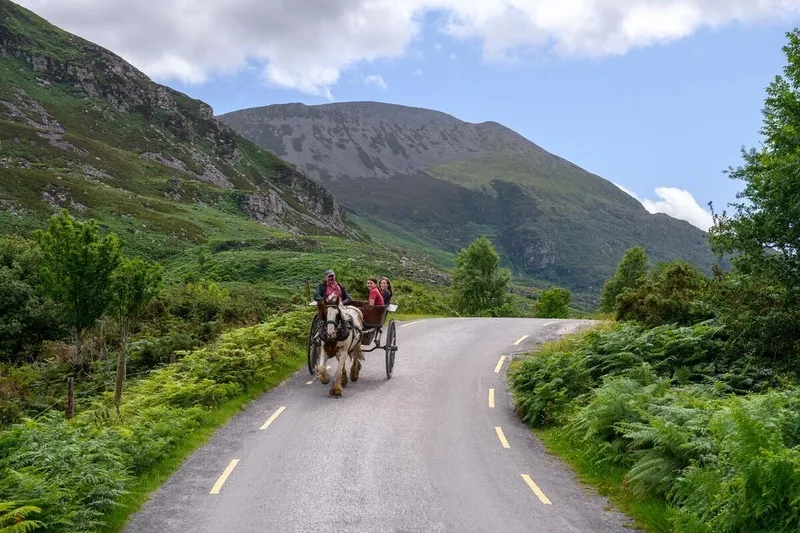
Ring of Kerry coastal road, County Kerry

Kerry is Ireland's tourism heavyweight. The Ring of Kerry, the Lakes of Killarney, Dingle, the Skellig Ring - these are the places that built the international image of the Irish countryside, and they attract visitors accordingly. Millions of them. Every year. In coaches. Kerry knows exactly what it is doing, and it has been doing it longer than anywhere else on the island.

That is both a compliment and a warning. Kerry's landscapes are genuinely among the best in Europe - the Iveragh Peninsula is spectacular, Dingle has an atmosphere that is hard to fake, and the Skelligs are otherworldly. But this is the most tourist-managed county in Ireland. The Ring of Kerry has been optimised for coach tours since the 1960s. Killarney town exists almost entirely to service visitors. If you follow the default itinerary, you will see beautiful things surrounded by a lot of other people seeing beautiful things. The trick with Kerry is knowing when to leave the main roads.

Know before you go

The Ring of Kerry is driven anticlockwise by convention because the coach tours go anticlockwise and the roads are too narrow for coaches to pass each other. If you drive clockwise you will have the views to yourself for the first half, but you will meet coaches head-on around blind corners. Neither option is ideal. Consider the Skellig Ring instead - it branches off the main Ring and the coaches do not follow.

Below you'll find my complete Kerry intelligence - where to base yourself, what's genuinely worth your time, and the practical stuff that the tourism brochures conveniently skip. Everything from first-hand experience.
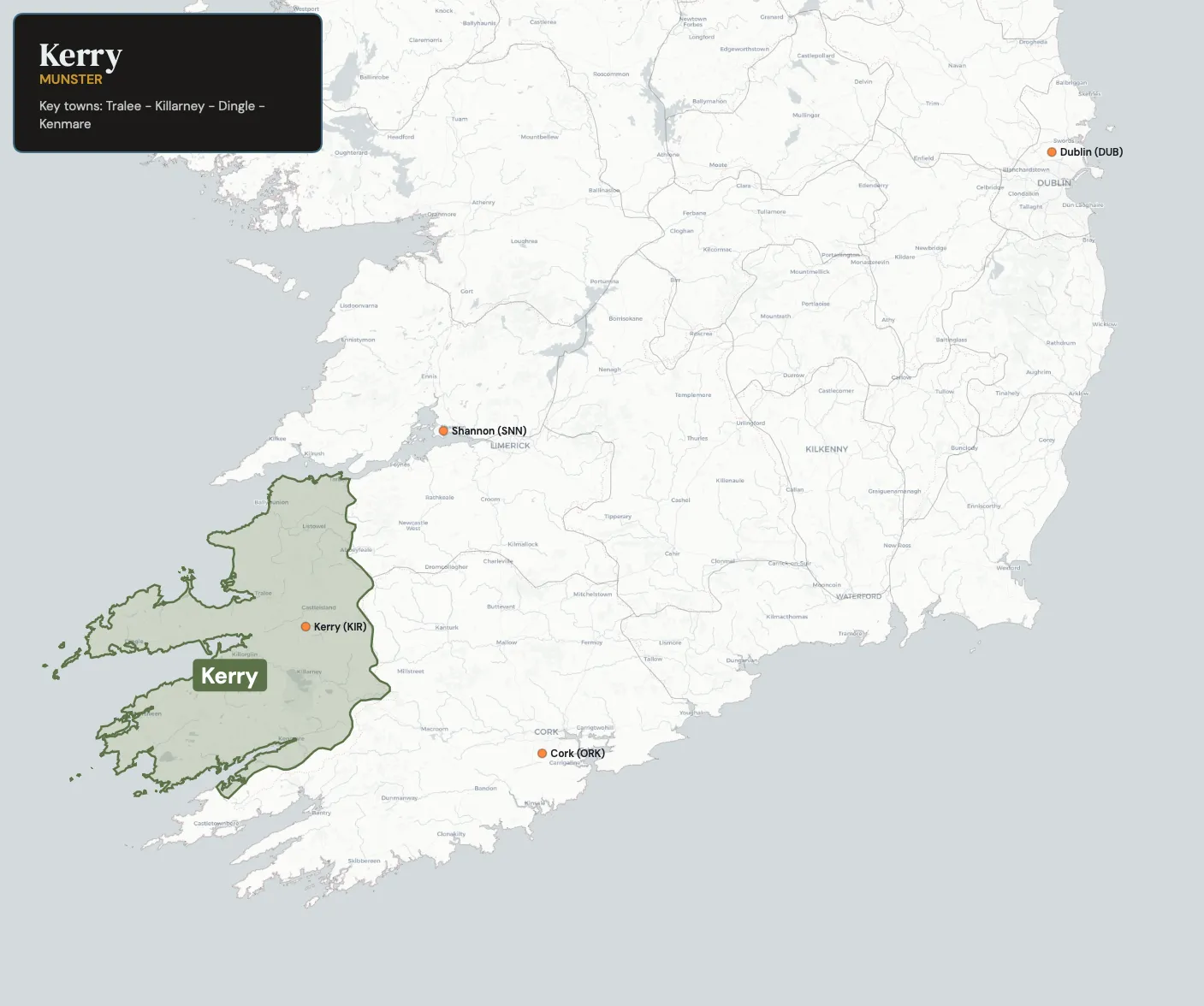
Where is County Kerry?

Map showing County Kerry in the northwest of Ireland

Signature Destinations

The places that make Kerry worth the drive. Arranged by genuine impact, not alphabetical order.

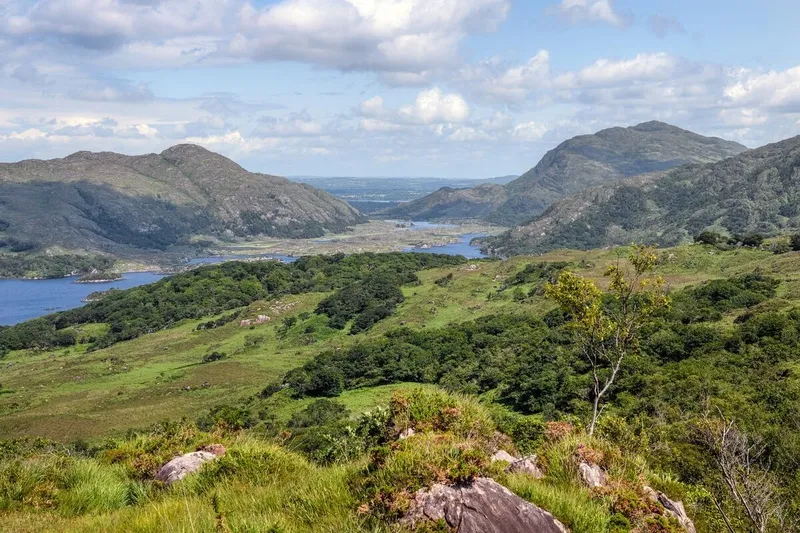
Ladies View, Killarney National Park, Ring of Kerry. Copyright: Gareth Wray for Tourism Ireland Drive Route Full guide

Ring of Kerry

A 179-kilometre loop around the Iveragh Peninsula that is probably the most famous driving route in Ireland. The scenery is extraordinary - mountains, lakes, sea views, stone forts. But the coach traffic in summer can turn it into a procession. Start early, stop at the smaller viewpoints the coaches skip, and give yourself a full day.

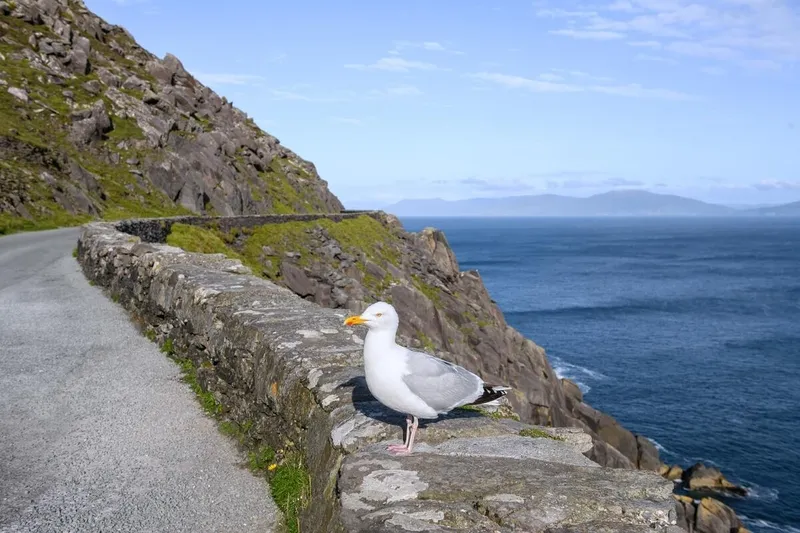
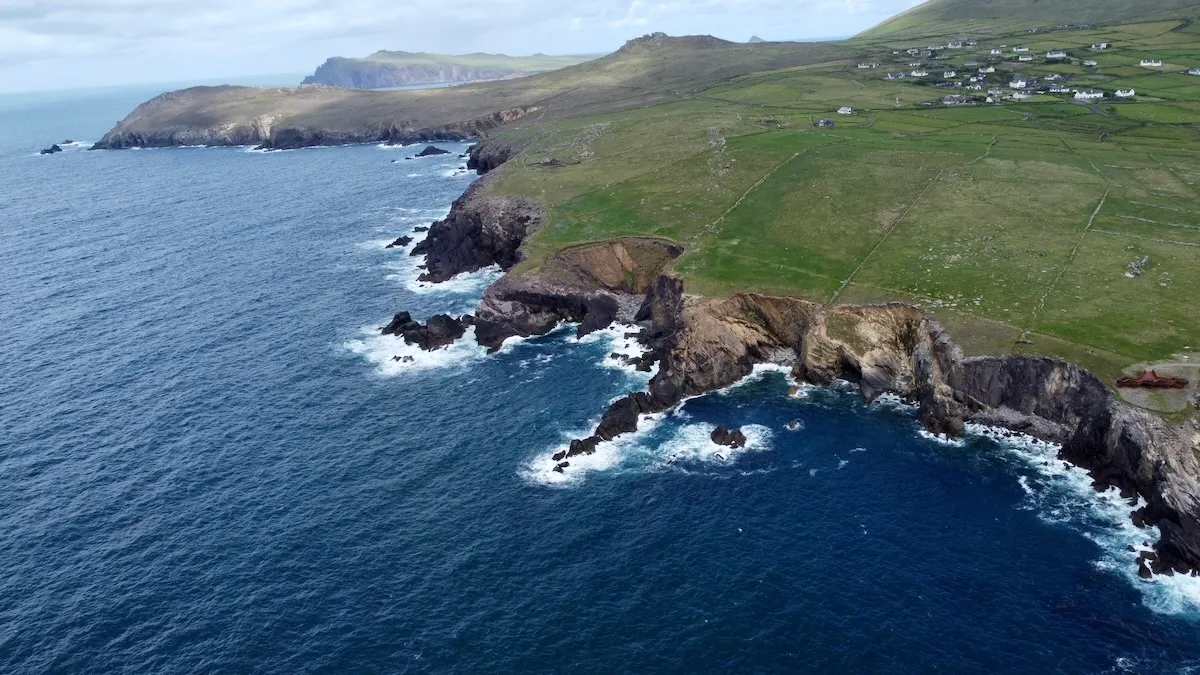
Seagull on Slea Head Drive, Dingle Peninsula, County Kerry. Copyright: Gareth Wray for Tourism Ireland Peninsula Full guide

Dingle Peninsula

Many locals will tell you Dingle is better than the Ring of Kerry, and they have a point. Smaller, less coach-heavy, with the same calibre of scenery plus Slea Head, the Blasket Islands, and one of the best food towns in Ireland. The Slea Head Drive is a loop you can do in half a day with stops.

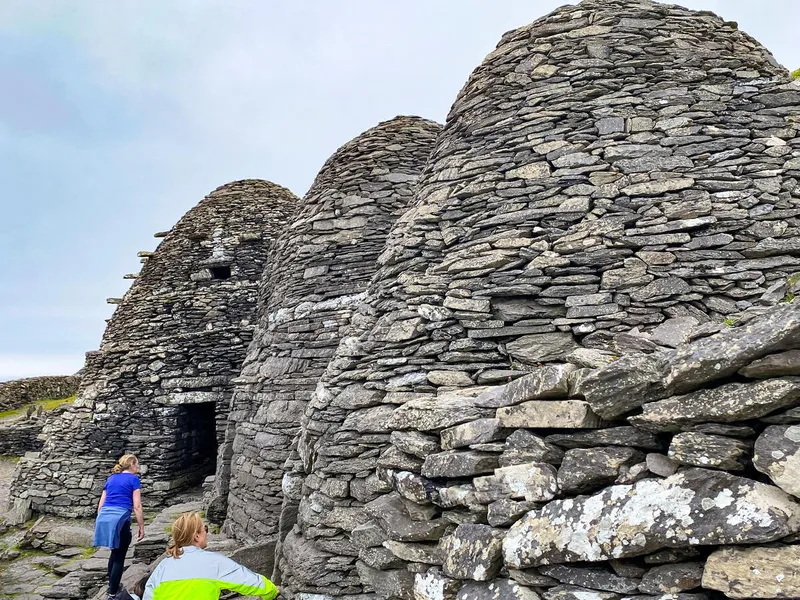
Visitors exploring the beehive huts on Skellig Michael, County Kerry. Copyright: Tourism Ireland Island Full guide

Skellig Michael

A sixth-century monastery on a rock pyramid eight miles off the coast. UNESCO World Heritage Site. The boat trip is weather-dependent and landing permits are limited - you must book months in advance. When it works, it is one of the most extraordinary experiences in Europe. When the weather cancels, you have the Skellig Ring drive as a consolation.

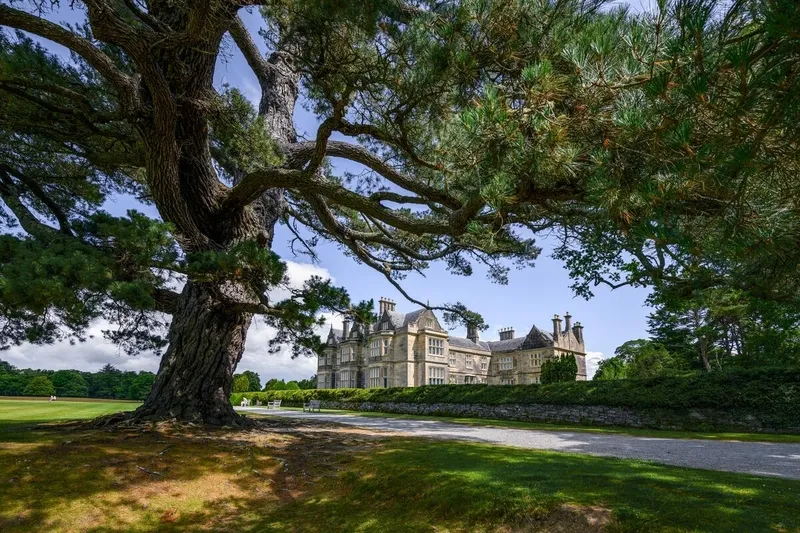
Muckross House, Killarney National Park, County Kerry. Copyright: Gareth Wray for Tourism Ireland National Park Full guide

Killarney National Park

Ireland's first national park and still its best. The lakes, Muckross House, Torc Waterfall, and the Gap of Dunloe. You could spend two days here without leaving the park. The jarvey trap rides are touristy but the scenery they take you through is genuine. Rent a bike instead if the weather holds.

Pony and trap ride through the Gap of Dunloe, County Kerry. Copyright: Gareth Wray for Tourism Ireland Walk Full guide

Gap of Dunloe

A narrow mountain pass between the MacGillycuddy Reeks and Purple Mountain. The classic way to do it is by jaunting car from Kate Kearney's Cottage, then boat across the lakes back to Killarney. Or you walk it, which takes about two hours and is free. The road is not suitable for large vehicles and the coaches know it - this is a rare Kerry attraction that stays relatively peaceful.

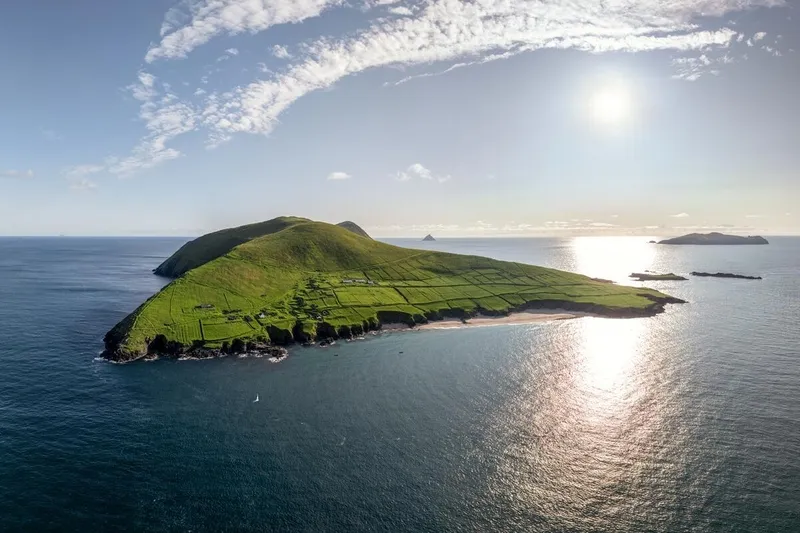
The Great Blasket Island, Dingle, County Kerry. Copyright: Gareth Wray for Tourism Ireland Island Full guide

The Blasket Islands

Abandoned since 1953 when the last residents were evacuated. Great Blasket is now uninhabited except for summer day-trippers who take the ferry from Dunquin. The literary tradition here - Peig Sayers, Tomas O Criomhthain - is extraordinary for such a tiny community. The Great Blasket Centre on the mainland is worth an hour before you cross.

Where to Base Yourself

Donegal is big. Where you sleep determines what you can reasonably see. Choose based on what matters to you.

Killarney

Hub town Tourist hub
Best for: First-timers, tour base, national park access

The default base and it works, with caveats. Excellent hotel range, good transport links, and the national park is on the doorstep. But Killarney town is unapologetically tourist-facing - the restaurants and pubs on the main streets are pitched at visitors and priced accordingly. Stay here for convenience but eat where the locals eat, which increasingly means the side streets.

5* Luxury

Dingle

West (1h 20m from Killarney) Harbour town
Best for: Foodies, Irish culture, Slea Head, smaller-scale experience

A fishing town with extraordinary restaurants, a live music scene that rivals Galway, and Irish spoken on the streets of the surrounding area. Dingle is what people imagine Killarney to be. Smaller, more authentic, and genuinely charming rather than commercially so. The downside is limited hotel capacity - book early in summer.

4* Seafront

Kenmare

South (30 min from Killarney) Heritage town
Best for: Upmarket base, Ring of Kerry south side, walkers

A colourful heritage town at the southern start of the Ring of Kerry. Better restaurants than Killarney and considerably less hectic. The Beara Peninsula is accessible from here too, which most Kerry visitors miss entirely. Kenmare works as a quieter, more refined alternative to Killarney if you have a car.

5* Country House

Cahersiveen

West (1h from Killarney) Small town
Best for: Mid-Ring base, Valentia Island, Skellig access

A small town on the Ring of Kerry that most people drive through without stopping. That is a mistake if you are planning to visit the Skelligs - the boats leave from nearby Portmagee and Cahersiveen is the nearest proper town for accommodation. Valentia Island is ten minutes away and has the Skellig Experience visitor centre.

Guesthouse Local

Getting There & Around

✈️

Kerry Airport (KIR)

A tiny airport near Farranfore, between Killarney and Tralee. Ryanair flies to Dublin, London Stansted, and Frankfurt Hahn. Fifteen minutes to Killarney by car. Useful if you can get the right flight, but the schedule is limited.

✈️

Cork Airport (ORK)

A better-connected alternative. About 1.5 hours to Killarney with a wider range of flights from the UK and Europe. If Kerry Airport does not have what you need, Cork almost certainly will.

🚗

From Dublin

About 3.5 hours via the M7 and N22 through Limerick and on to Killarney. The road is good as far as Limerick, then narrows to a national secondary road for the last stretch. Alternatively, go via Cork on the M8 and M20 if you are heading for the south side of the Ring.

🚆

By Train

Irish Rail runs Dublin to Killarney via Mallow, about 3.5 hours. There is also a Tralee service. The train is a reasonable option for reaching Killarney, but once you are there you need a car for the Ring and Dingle. The train station is a ten-minute walk from town.

🚌

By Bus

Bus Eireann runs Dublin to Killarney and Cork to Killarney. In summer, several operators run day tours of the Ring of Kerry and Dingle from Killarney - this is how you do Kerry without a car, and it is more practical than it sounds.

When to Visit

May, June, and September are the sweet spot. July and August are peak season and the Ring of Kerry becomes a procession of coaches - if you must visit then, start driving by 8am. Kerry is the mildest county in Ireland thanks to the Gulf Stream, so shoulder season weather is often better than you expect.

Jan
7°C
Empty
Feb
7°C
Empty
Mar
9°C
Quiet
Apr
11°C
Moderate
May
13°C
Moderate
Jun
16°C
Busy
Jul
18°C
Peak
Aug
18°C
Peak
Sep
16°C
Moderate
Oct
12°C
Quiet
Nov
9°C
Empty
Dec
7°C
Empty
Ideal
Possible
Brave

Where to Stay

Killarney has more hotel beds than almost anywhere outside Dublin. The challenge is not finding a room but finding one that offers value. Dingle and Kenmare are better experiences but smaller - book early.

Patrick's pick
5* Luxury

The Killarney Park Hotel, Killarney town centre

A five-star hotel that earns the rating. Town centre location, exceptional service, and a spa that justifies a rest day between driving routes. Kerry has no shortage of luxury options, but this one consistently delivers without the country-house pretension. If you are going to splurge once in Kerry, do it here.

Check availability Affiliate link - helps support this site
🏨

Hotels

Killarney has an enormous range from budget to five-star. Dingle and Kenmare have good boutique options. Outside the towns, expect guesthouses and country houses.

🏡

B&Bs

Kerry's B&B game is strong - this is where Irish B&B culture was essentially invented for the tourist market. Standards are generally high. Along the Ring of Kerry, many close outside peak season.

🏠

Self-catering

Cottages along the Ring and the Dingle Peninsula are the dream option for families and longer stays. Prices have risen sharply since the Wild Atlantic Way branding arrived. Book months ahead for July and August.

Search Kerry accommodation

Compare prices across Booking.com, Hotels.com, Airbnb and more

Powered by Stay22
🔍 Heritage & Ancestry

Finding Your Kerry Roots

Kerry was among the hardest-hit counties during the Famine. The Iveragh and Dingle Peninsulas lost enormous proportions of their population to starvation, disease, and emigration between 1845 and 1860. The abandoned villages are still visible in the hills. The Kerry diaspora is concentrated in Boston, New York, and across New England - the connections remain strong, and many still come back to trace the family line.

O'SullivanMurphyO'ConnorO'SheaMoriartyCliffordFitzgeraldBrosnanFoleyGriffin

Where to start

1
IrishGenealogy.ie
Free church records - start here before paying for anything
2
Kerry Genealogical Centre (Listowel)
Covers all of Kerry with parish records and estate papers
3
Killarney Library Local History
Local studies collection with land records and parish histories
4
National Archives (Dublin)
Census returns, land records, Griffith's Valuation online