County Sligo

Yeats's country and it earns the claim - Benbulben rising like a geological declaration, Knocknarea with its Neolithic cairn, and Lough Gill shimmering below. Add Strandhill's surf culture, one of Europe's oldest megalithic cemeteries, and a county town that punches well above its weight, and you have the northwest at its most concentrated.

Guides
5
Best months
May - Sep
From Dublin
3h drive
From Belfast
3h
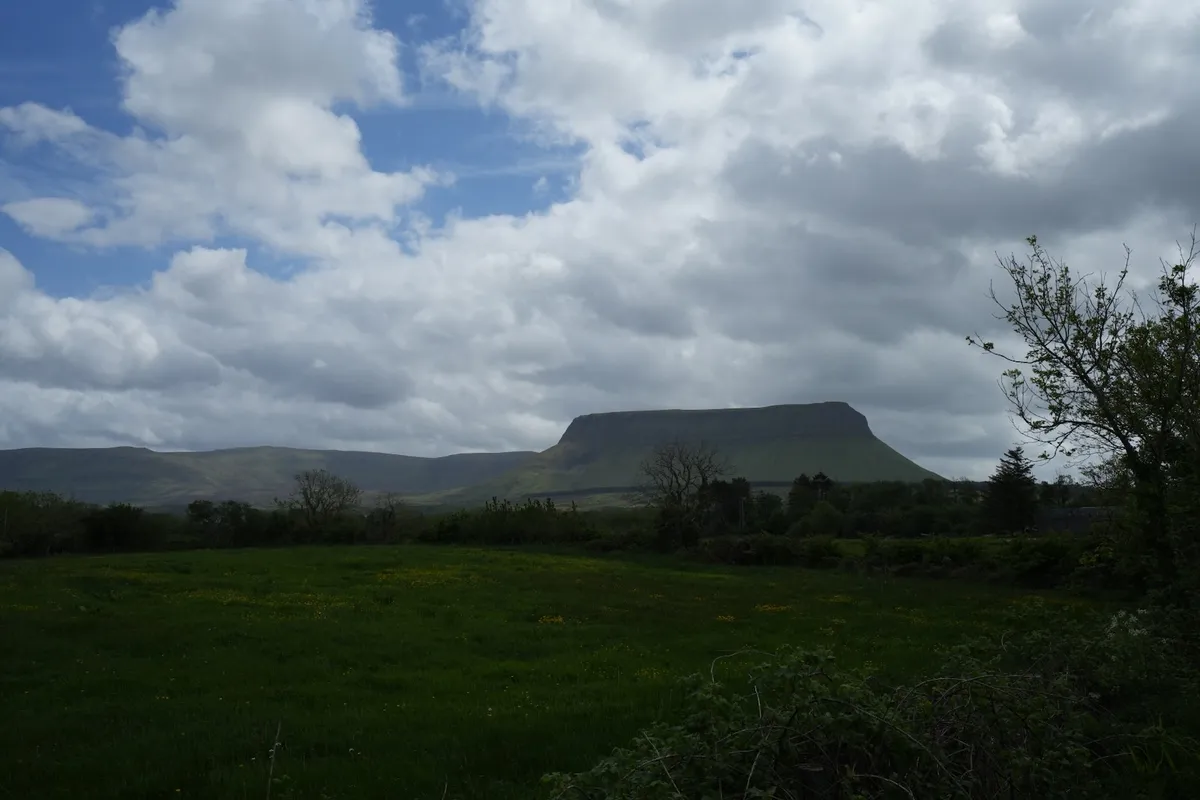
Benbulben mountain from Drumcliffe, County Sligo

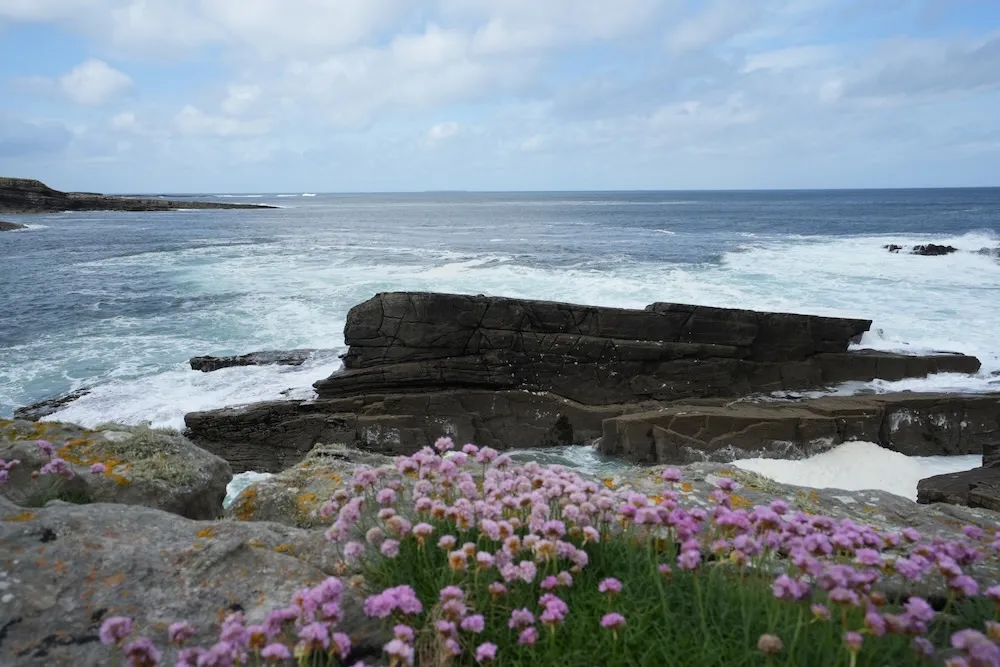
Sligo is Yeats country, and the landscape explains the poetry. Benbulben rises from the plain like a geological fist, flat-topped and cliff-faced. Knocknarea has Queen Maeve's cairn on its summit. Lough Gill shimmers in the valley below. The combination of mountain, lake, sea, and sky in a compact county creates a visual intensity that Yeats spent a lifetime trying to capture in words.

Beyond the literary tourism, Sligo has reinvented itself. Strandhill is now one of the best surf villages in Ireland, with a food scene, seaweed baths, and an atmosphere that attracts a younger crowd. The town itself has good restaurants and a cultural life driven by the IT Sligo campus. The Carrowmore megalithic cemetery is one of the largest and oldest in Europe. And the Ox Mountains in the south are empty, beautiful walking country that nobody visits.

Know before you go

Sligo town is walkable and works as a base for everything. Strandhill is ten minutes away and is the better base if surf and beach are your priority. You need a car for the countryside - Benbulben, Carrowmore, Lough Gill, and the Ox Mountains all require wheels. Ireland West Airport Knock is about an hour south and has some international connections.

Below you'll find my complete Sligo intelligence - where to base yourself, what's genuinely worth your time, and the practical stuff that the tourism brochures conveniently skip. Everything from first-hand experience.
Where is County Sligo?

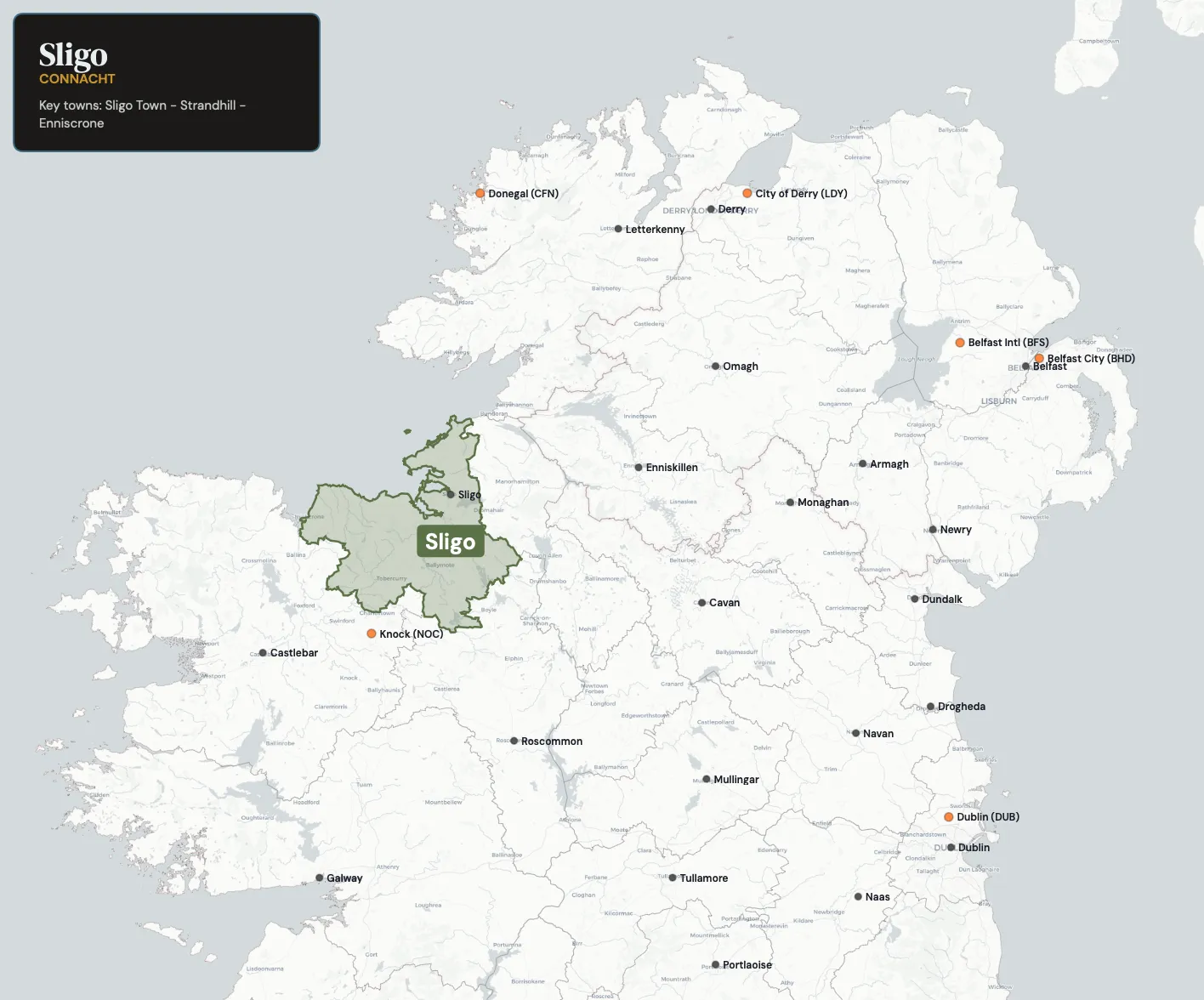
Map showing County Sligo in the northwest of Ireland

Signature Destinations

The places that make Sligo worth the drive. Arranged by genuine impact, not alphabetical order.

Benbulben mountain, County Sligo. Photo: Patrick Hughes Mountain Full guide

Benbulben

The flat-topped mountain that dominates the Sligo skyline and appears in half of Yeats's poetry. The cliff face is extraordinary from the N15 approach. Walking to the summit is possible but the route is steep, exposed, and not for beginners - people have died here. The views from the base, from the surrounding roads, and from Drumcliffe churchyard where Yeats is buried are spectacular without any climbing required.

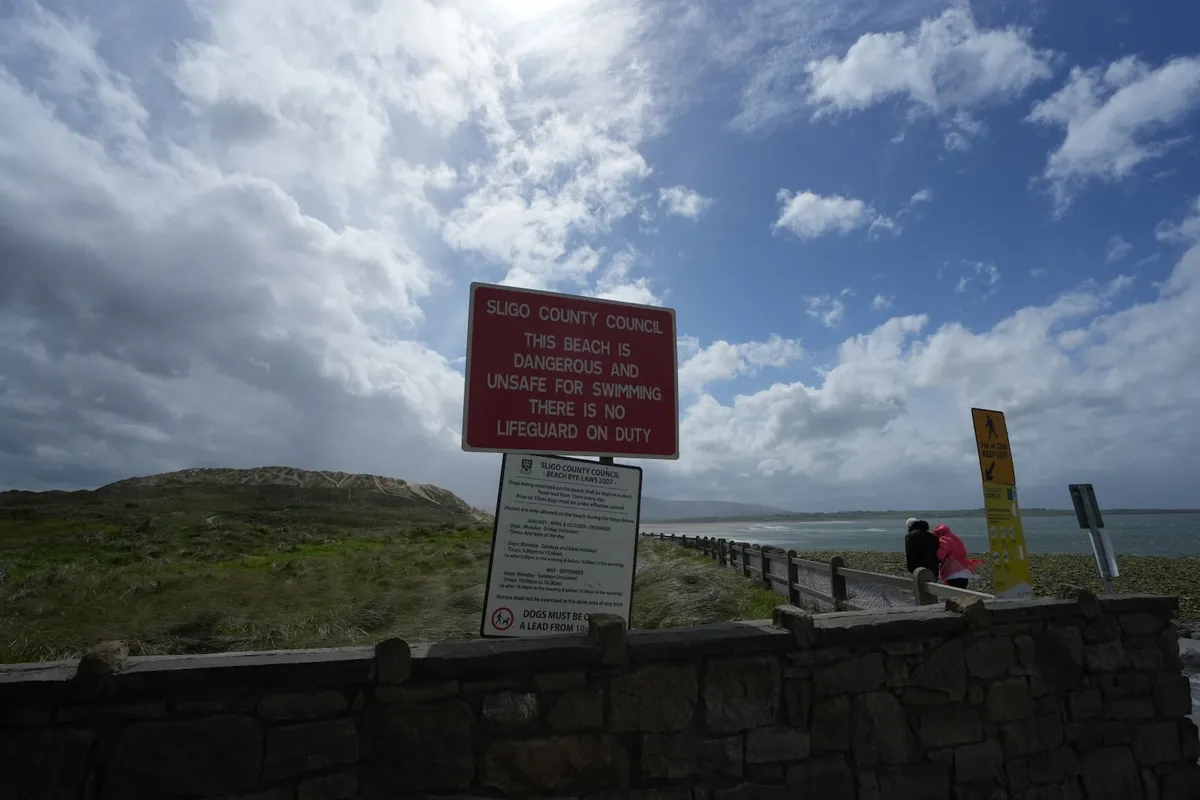
Strandhill beach, County Sligo. Photo: Patrick Hughes Beach/Surf Full guide

Strandhill

A surf village on the coast west of Sligo town with a long beach, consistent waves, and a food and drink scene that has grown enormously. Shells cafe is an institution. Voya seaweed baths are worth the experience. The beach is not safe for swimming (strong currents) but surfers and bodyboarders love it. The evening light across the bay towards Knocknarea is beautiful.

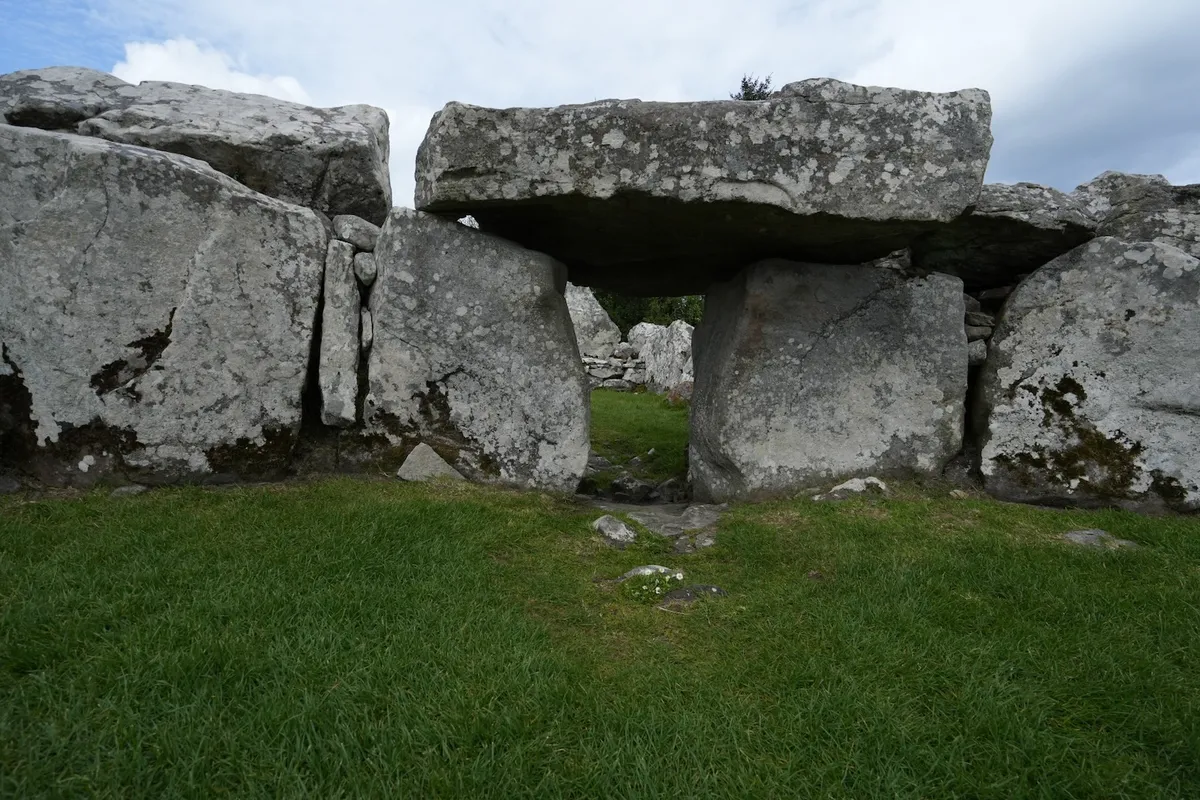
Carrowmore Megalithic Cemetery, County Sligo. Photo: Patrick Hughes Heritage Full guide

Carrowmore Megalithic Cemetery

One of the largest and oldest collections of megalithic tombs in Europe - over 30 monuments clustered in fields at the foot of Knocknarea. Some predate Newgrange. The visitor centre provides context but the experience is walking between the tombs in an open landscape with Knocknarea looming above. Free access to the tombs, small fee for the centre.

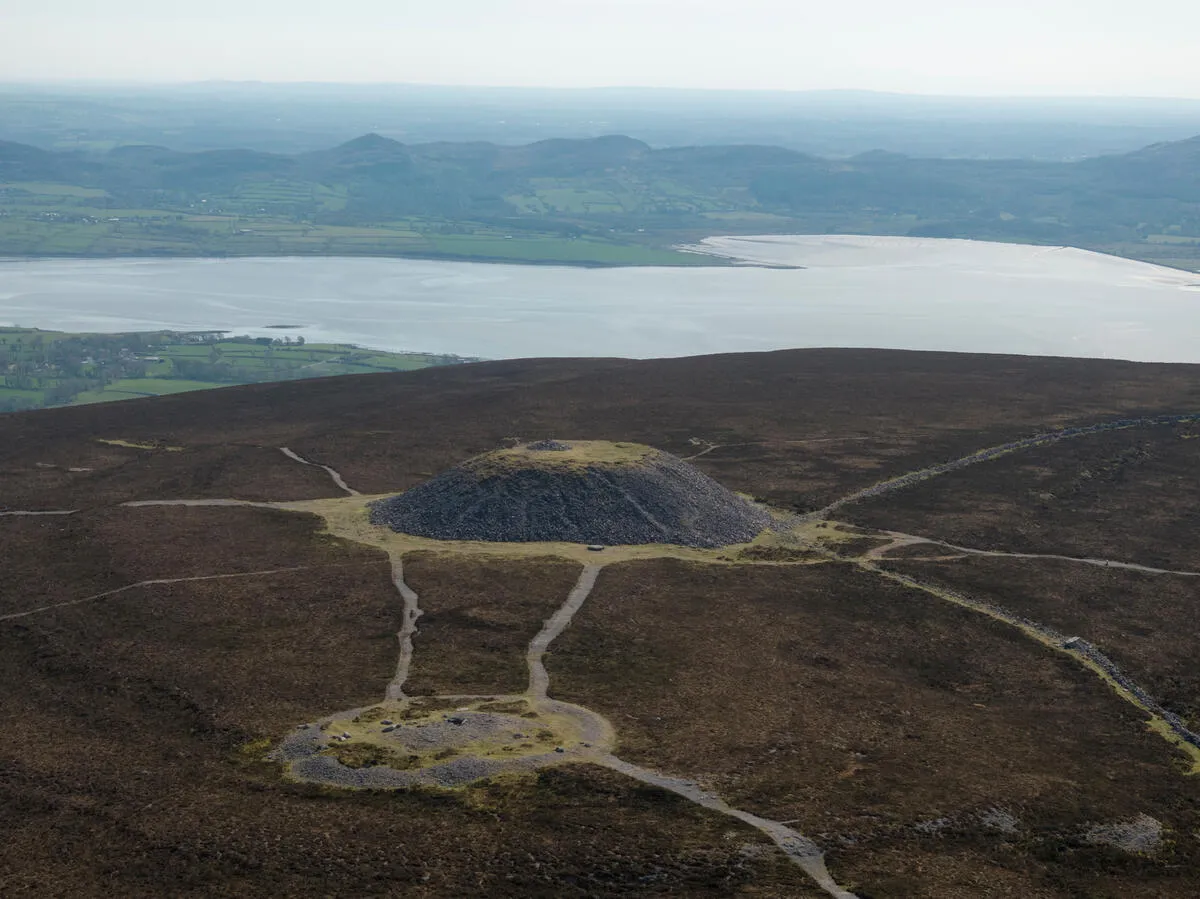
Knocknarea and Queen Maeve's Cairn, County Sligo. Photo: Richard Watson Walk Full guide

Knocknarea

A limestone hill topped by Queen Maeve's Cairn - a massive unexcavated Neolithic passage tomb visible from across the county. The walk to the summit takes about 45 minutes from the car park and the views from the top are outstanding. Tradition says you should carry a stone to add to the cairn. Do not climb on the cairn itself - it is an unexcavated archaeological monument.

Drumcliffe churchyard with Benbulben behind, County Sligo. Photo: Patrick Hughes Literary Full guide

Drumcliffe & Yeats's Grave

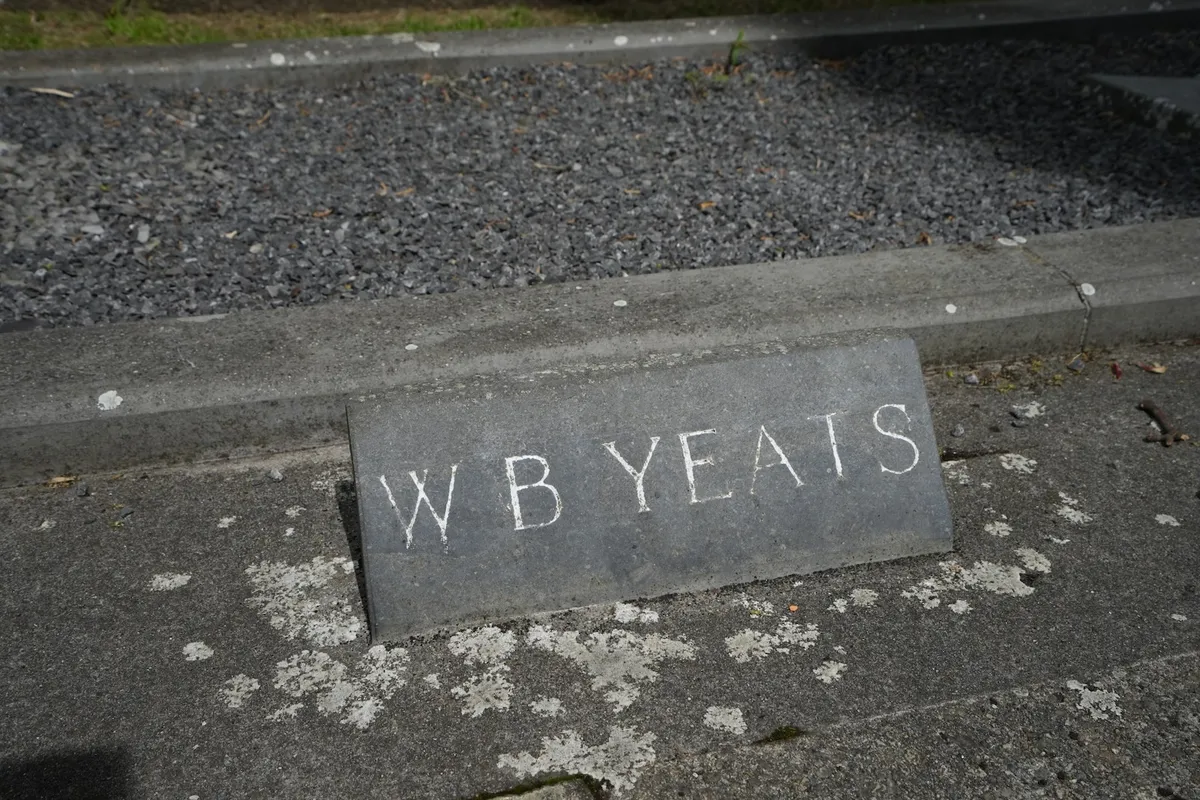
The churchyard where WB Yeats is buried, under Benbulben, with the epitaph he wrote himself: 'Cast a cold eye on life, on death. Horseman, pass by.' The church and round tower stump are also worth noting. A five-minute stop, but one that carries weight if you know the poetry. The view of Benbulben from the grave is the view Yeats chose.

Where to Base Yourself

Sligo town is the natural base with the best services. Strandhill if surf and food are your priority. Rosses Point for golf and a quieter seaside pace.

Sligo Town

Hub town Cultural town
Best for: Central base, culture, restaurants, shopping

The county capital and the natural base for everything. A proper town with good restaurants, decent pubs, and the Yeats Building for exhibitions. The Model arts centre is excellent. Compact and walkable. The Garavogue river running through the centre gives it character. The farmers market on Saturday morning is worth hitting.

4* Riverside

Strandhill

West (10 min) Surf village
Best for: Surfers, beach, food, younger crowd

Ten minutes from Sligo town but feels like a different world. The surf culture drives the atmosphere. Excellent cafes and restaurants for a tiny village. Voya seaweed baths are a signature experience. Accommodation is limited but there are some good B&Bs and self-catering options.

B&B Surf lodge

Rosses Point

North-west (10 min) Seaside village
Best for: Golf, sailing, quieter seaside

A small seaside village north of Sligo town with views across Drumcliffe Bay to Benbulben. County Sligo Golf Club is here - one of the finest links courses in Ireland. Quieter and more traditional than Strandhill. Good beach for swimming. Limited but pleasant accommodation.

3* Seaside

Getting There & Around

✈️

Ireland West Airport Knock (NOC)

About an hour south of Sligo town. Ryanair flies here from London and some European cities. Limited but useful. Car hire available at the terminal. The alternative is Dublin or Shannon, both about three hours away.

🚗

From Dublin

About 3 hours via the N4 through Longford and Carrick-on-Shannon. A good road but not motorway the entire way. The last hour is through increasingly attractive countryside.

🚗

From Belfast

About 3 hours via the A4 through Enniskillen and then north via Manorhamilton. Alternatively, via the M1 and N4 through Dublin direction, but the Fermanagh route is shorter and more scenic.

🚆

By Train

Irish Rail runs Dublin to Sligo three times daily. About 3 hours 15 minutes. The station is a short walk from the town centre. One of the more scenic rail routes in Ireland, particularly the final stretch along Lough Gill.

🚌

By Bus

Bus Eireann runs Dublin to Sligo frequently. About 3.5 hours. The bus station is central. Local buses connect to Strandhill and some rural areas but a car is the practical option for exploring the county.

When to Visit

May through September for the best weather. Sligo gets Atlantic weather - expect rain at any time, but the light between the showers is extraordinary. Strandhill's surf works year-round. The Yeats Summer School runs in late July and early August. Carrowmore and Knocknarea are best on clear days for the views.

Jan
5°C
Empty
Feb
5°C
Empty
Mar
7°C
Quiet
Apr
9°C
Quiet
May
12°C
Moderate
Jun
14°C
Moderate
Jul
16°C
Busy
Aug
16°C
Busy
Sep
14°C
Moderate
Oct
10°C
Quiet
Nov
7°C
Empty
Dec
5°C
Empty
Ideal
Possible
Brave

Where to Stay

Sligo town has the widest range. Strandhill is smaller but characterful. The countryside around Lough Gill and the Ox Mountains has some hidden gems.

Patrick's pick
4*

The Glasshouse, Sligo Town

A design-forward hotel on the Garavogue river in the centre of Sligo. The building is distinctive - you will not miss it. Rooms are modern and well-appointed, and the river views from the upper floors are excellent. Walking distance to everything in town. Good bar, good breakfast. The best all-round option in the county.

Check availability Affiliate link - helps support this site
🏨

Hotels

Good range in Sligo town from budget to four-star. The Glasshouse is the design-forward option. Strandhill and Rosses Point have smaller options. The surrounding countryside has some excellent country houses.

🏡

B&Bs

Strong across the county, particularly in Strandhill and around Lough Gill. Many offer views of either the sea or the mountains. Quality is high and prices are fair.

🏠

Self-catering

Good coastal options around Strandhill, Rosses Point, and Mullaghmore. Lakeside cottages around Lough Gill are also available. The surf crowd has driven a growth in quality self-catering.

Search Sligo accommodation

Compare prices across Booking.com, Hotels.com, Airbnb and more

Powered by Stay22
🔍 Heritage & Ancestry

Finding Your Sligo Roots

Sligo's heritage runs from the Neolithic tomb builders of Carrowmore and Carrowkeel through the Gaelic O'Connors and O'Dowds to the Anglo-Norman Burkes. The county's literary heritage through Yeats gives it a cultural significance that transcends its size. Emigration hit the northwest hard, and Sligo's port was a departure point for thousands. If your surname is Gallagher, Brennan, Harte, Gilmartin, or Scanlon, the Sligo connection is worth investigating.

GallagherBrennanHarteGilmartinScanlonHenryFeeneyHigginsMcDonaghDavey

Where to start

1
IrishGenealogy.ie
Free church records - start here before paying for anything
2
County Sligo Heritage and Genealogy Society
Based in Sligo town, covers the county with parish records and research services
3
National Archives (Dublin)
Census returns, land records, Griffith's Valuation online
4
Sligo County Library
Excellent local studies collection, Yeats archive, and genealogy resources