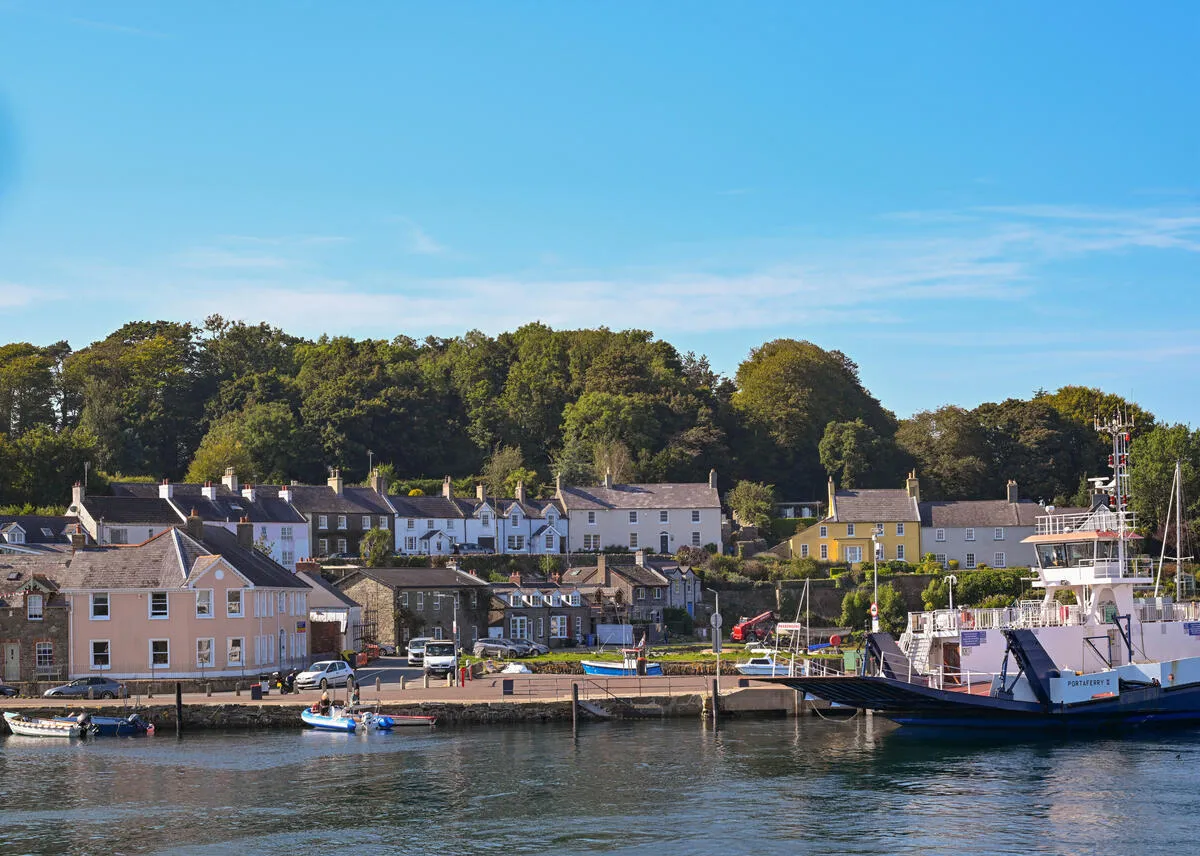
Strangford Lough is the largest sea lough in the British Isles - over 150 square kilometres of tidal water dotted with drumlins, monastic islands, and more seals than you would expect this close to Belfast. It sits in County Down, about 30 minutes from the city, and manages to feel entirely remote despite being practically suburban.
The lough is an Area of Outstanding Natural Beauty. Castle Ward - the Winterfell of Game of Thrones - sits on its western shore. Nendrum Monastic Site occupies a tidal island. The Strangford-Portaferry ferry crosses the narrows where the lough meets the Irish Sea. Kayakers paddle between the islands. And the seal colonies are so reliable that tour boats guarantee sightings.
What makes Strangford Lough different from other Irish attractions is the range. You can do history, wildlife, water sports, and some of the best seafood in Ulster, all within a 30-minute drive of each other.
What to Expect
Castle Ward is the logical starting point. The 820-acre National Trust estate has 21 miles of walking and cycling trails, a farmyard, tea room, and the stable yard that served as the Winterfell set for Game of Thrones. The house itself is famously split - classical on one side, Gothic on the other, because the owners could not agree on a style. You can see both sides on a house tour. The grounds are open seasonally and National Trust members enter free.
The Strangford-Portaferry ferry is a five-minute crossing that runs frequently throughout the day. It connects the western and eastern shores and is the quickest way to reach the Ards Peninsula without driving the long way round through Newtownards. The crossing is scenic - you pass through the narrows where the tidal current is fierce.
Nendrum Monastic Site is reached via a causeway to Mahee Island. The ruins date to the 5th century and sit in absolute silence with views across the lough. There is no visitor centre and no entrance fee. You walk among the stone foundations and round tower stump and read the information boards. It is the kind of place that rewards patience and quiet.
Kayaking on the lough is excellent. Several operators run guided trips through the islands, and the sheltered water makes it suitable for beginners. You paddle past seal haul-out sites, bird colonies, and the occasional otter. Half-day trips cost around GBP 30 to 60. Seal watching boat trips run from Strangford village and are a good option if you prefer to stay dry.
The catch: Strangford Lough is spread out. You need a car to connect the dots. The individual sites are modest - Nendrum is 30 minutes of wandering, Castle Ward is a half day, the ferry is five minutes. The magic is in the combination and the setting, not any single blockbuster attraction. On a rainy day, the exposed lough shore can feel bleak. On a sunny day, it is one of the most beautiful waterscapes in Ireland.
How to Get There
Strangford Lough is about 30 minutes southeast of Belfast. Take the A22 to Comber for the northern shore, or the A25 to Downpatrick for the southern shore. Castle Ward is signposted from Strangford village on the A25.
The Strangford-Portaferry car ferry runs every 30 minutes (more frequently in summer). It takes vehicles and foot passengers. No booking needed, but expect short queues at peak times.
Ulsterbus services run from Belfast to Downpatrick and to Portaferry via Newtownards, but getting between lough-side sites without a car is impractical. A car is effectively essential for exploring the full lough.
Where to Stay Nearby
Strangford village, Portaferry, and Downpatrick all make good bases around the lough. For a wider selection, Bangor and Belfast are both within 30 to 45 minutes. See the full County Down guide for more accommodation.
Family-run inn in Strangford village. Good restaurant, right on the lough. Walking distance to the ferry.
Check availability →What Else is Nearby
A Note on the History
Strangford Lough has been settled since the Mesolithic period. The drumlins - small rounded hills left by retreating glaciers - create the lough's distinctive island-studded character. Nendrum, founded by St Mochaoi in the 5th century, is one of the best-preserved early monastic sites in Ireland.
The Vikings named the lough - Strangford comes from the Old Norse "Strangr fjordr," meaning strong inlet, a reference to the fierce tidal currents at the narrows. Those same currents now power an experimental tidal energy turbine on the seabed. The lough is one of the most important wildlife sites in Europe, supporting overwintering populations of pale-bellied brent geese, along with common and grey seals.
Frequently Asked Questions