County Down
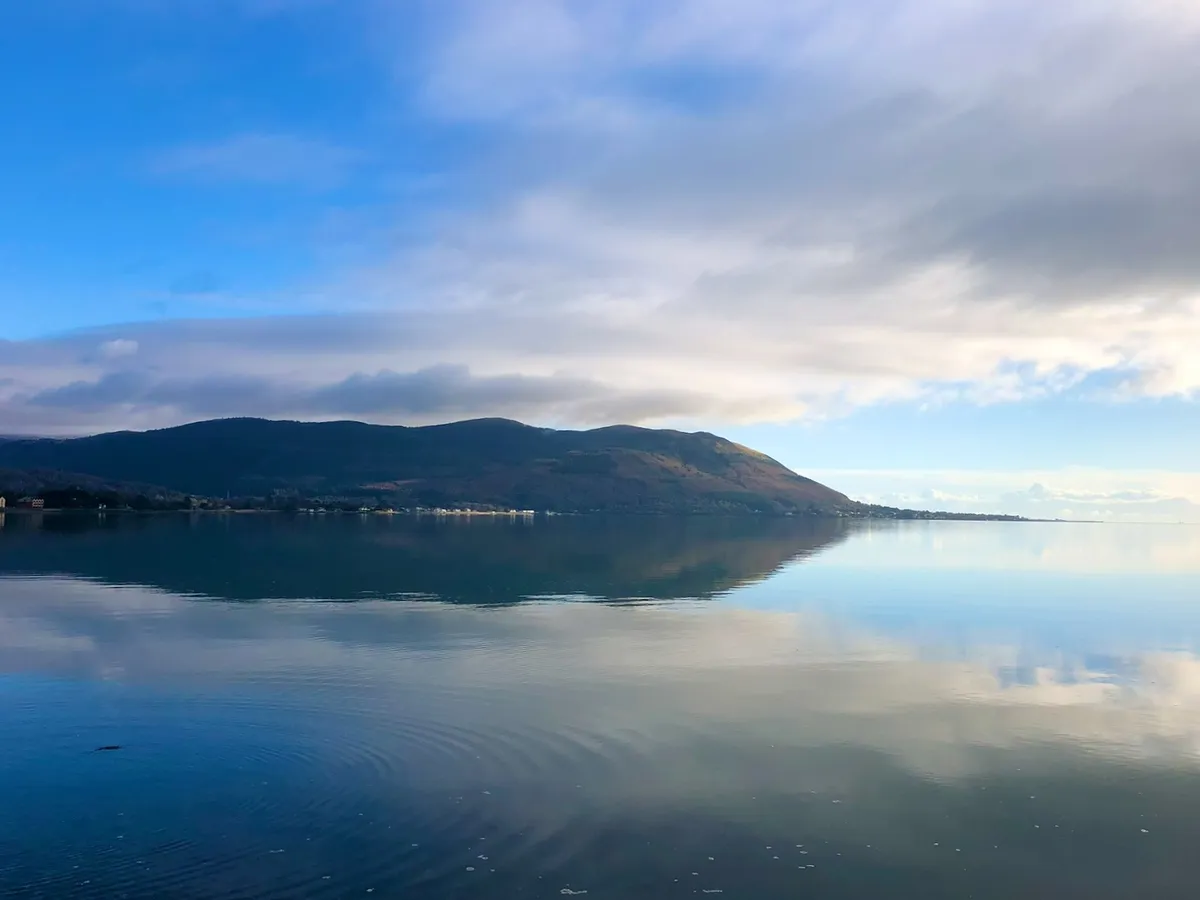
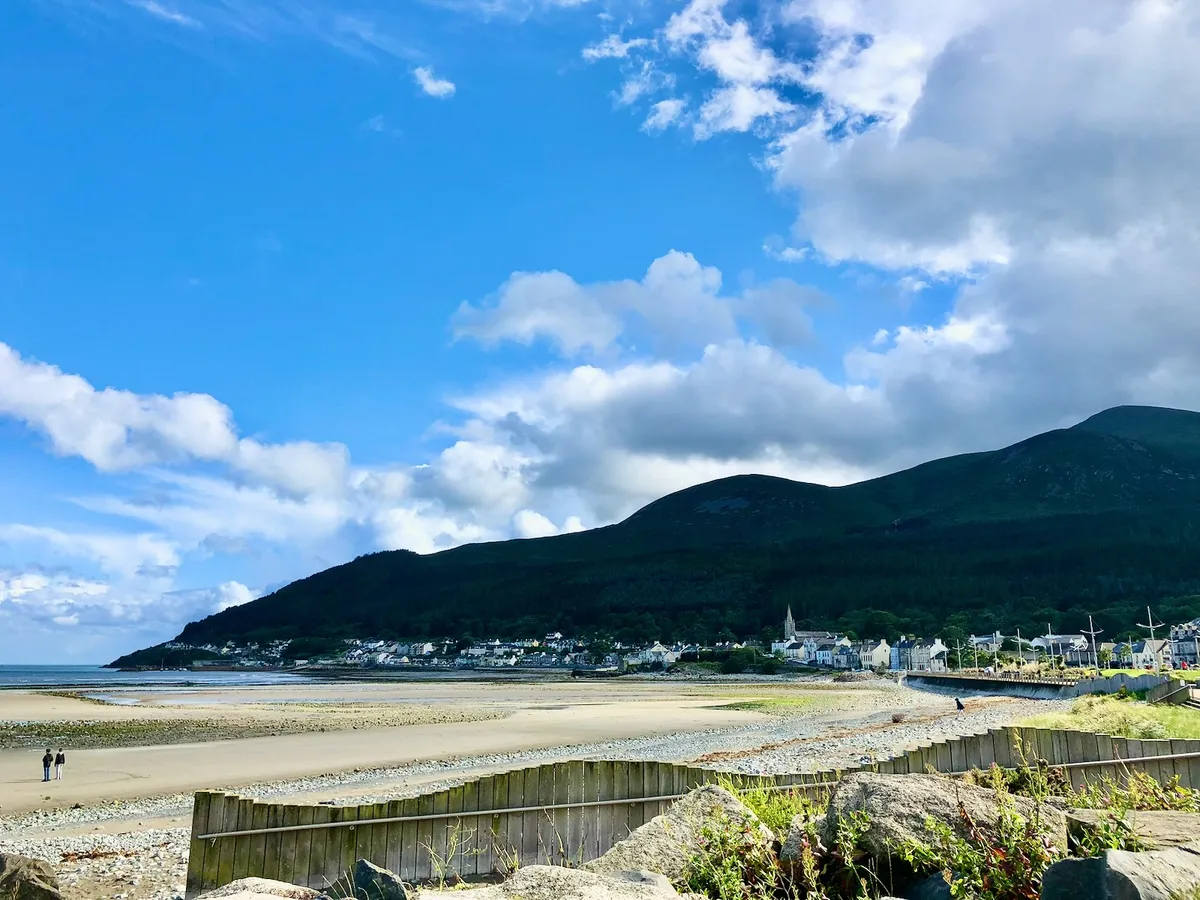
Where the Mountains of Mourne sweep down to the sea - and where St Patrick is buried, Strangford Lough teems with marine life, and Mount Stewart's gardens grow plants that should not survive in Ulster. Northern Ireland's most naturally beautiful county and Belfast's weekend escape.
I might be biased about County Down. I grew up in the neighbouring county of Armagh, went to secondary school in Newry - which sits right on the border - and later bought a house on the Down side, which in Irish terms counts as a betrayal of your origin county. But the bias is earned. The Mourne Mountains have some of the best walking trails and mountain biking on the island. The beach at Newcastle is where every Armagh child learns what the sea looks like. Strangford Lough, on the eastern side, is a vast tidal inlet full of seals and islands. Not enough people visit. Go.
This is also St Patrick's country. Downpatrick is where he is supposedly buried. Saul is where he built his first church. Struell Wells is where he prayed. The county wears this heritage lightly - there is no Patrician theme park, just quiet sites in the landscape. The Ards Peninsula stretches south from Bangor with fishing villages, a coastal path, and Mount Stewart, one of the great gardens of these islands.
The Mournes are a car destination - public transport to Newcastle exists but is limited. The Mourne Coastal Route from Belfast through Dundrum and Newcastle to Kilkeel is the scenic approach. Walking in the Mournes requires proper boots and waterproofs - the weather changes fast. Strangford Lough is best explored by car with detours down to the shore.
Below you'll find my complete Down intelligence - where to base yourself, what's genuinely worth your time, and the practical stuff that the tourism brochures conveniently skip. Everything from first-hand experience.
Where is County Down?
Signature Destinations
The places that make Down worth the drive. Arranged by genuine impact, not alphabetical order.
Mountains Full guide Mourne Mountains
A compact granite mountain range that rises straight from the sea. Slieve Donard at 850 metres is the highest point in Northern Ireland. The Mourne Wall traverses fifteen summits and is an extraordinary feat of dry-stone engineering. Walking routes range from gentle valley strolls to serious ridge walks. But it is Kilbroney Forest Park, Rostrevor, and Warrenpoint along the southern edge that I keep coming back to - some of the best mountain biking trails on the whole island, and barely anyone knows about them.
Nature Full guide Strangford Lough
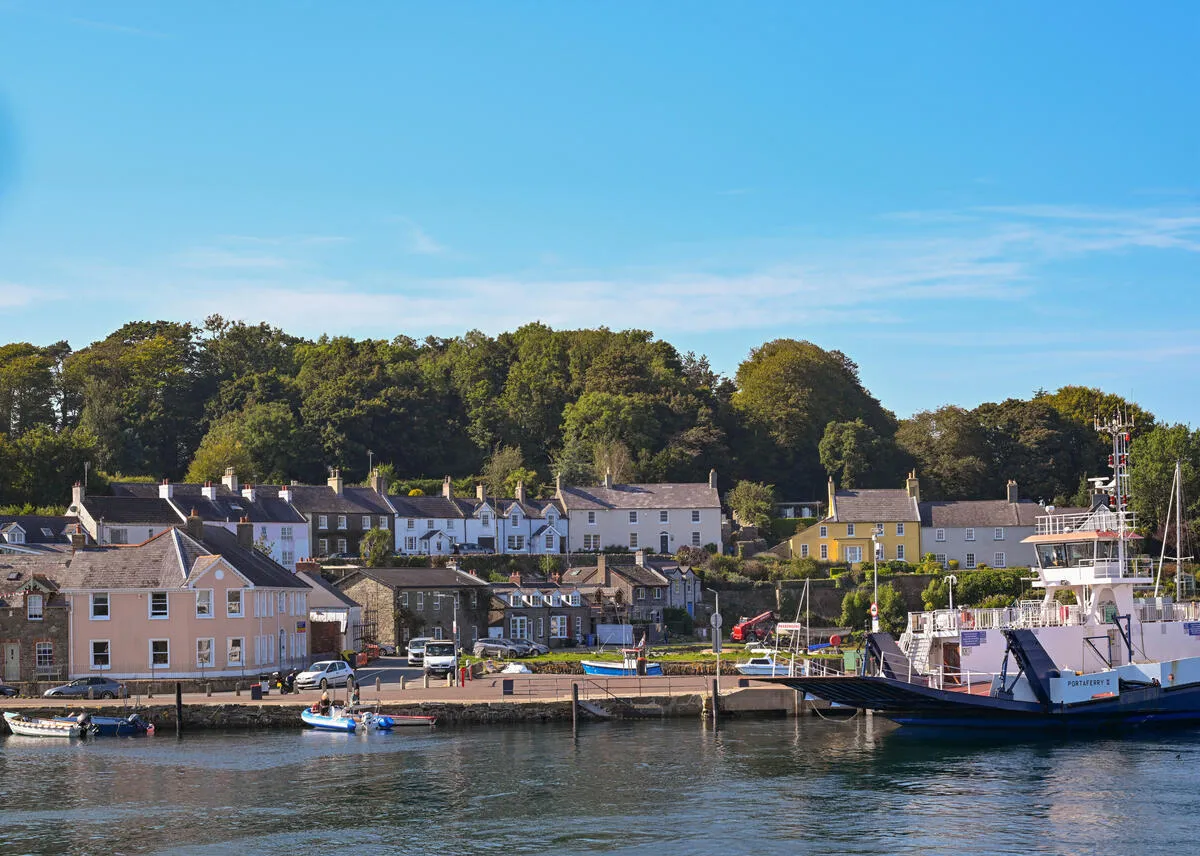
The largest inlet in the British Isles, almost landlocked by the Ards Peninsula. A marine nature reserve with seals, brent geese in winter, and underwater life that draws divers from across Europe. Castle Ward on the western shore (a National Trust property used as Winterfell in Game of Thrones) is the main visitor draw. The Portaferry to Strangford ferry crossing takes five minutes and saves an hour of driving.
Gardens Full guide Mount Stewart
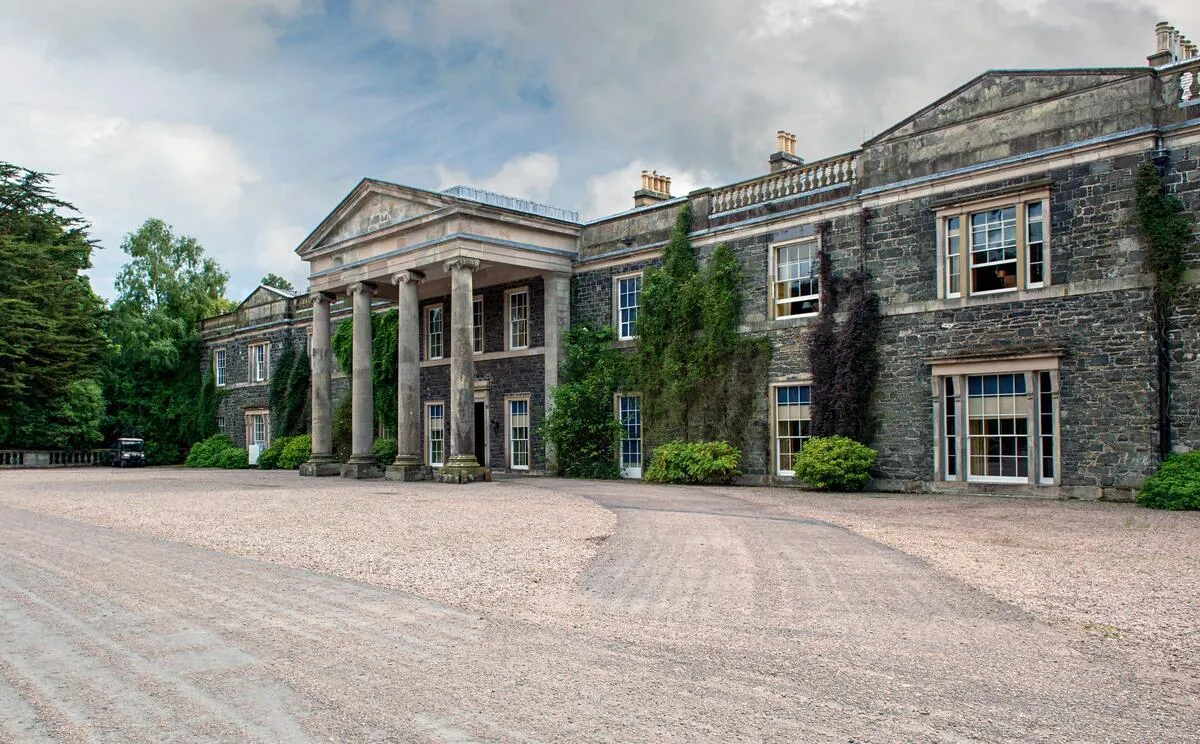
A National Trust estate on the shores of Strangford Lough with some of the most extraordinary gardens in Europe. The microclimate created by the lough allows plants to grow here that have no business surviving in Ulster. The house itself tells the story of the Londonderry family. The gardens are the main event - allow at least two hours and go in May or June for peak colour.
Heritage Full guide Downpatrick & St Patrick's Trail
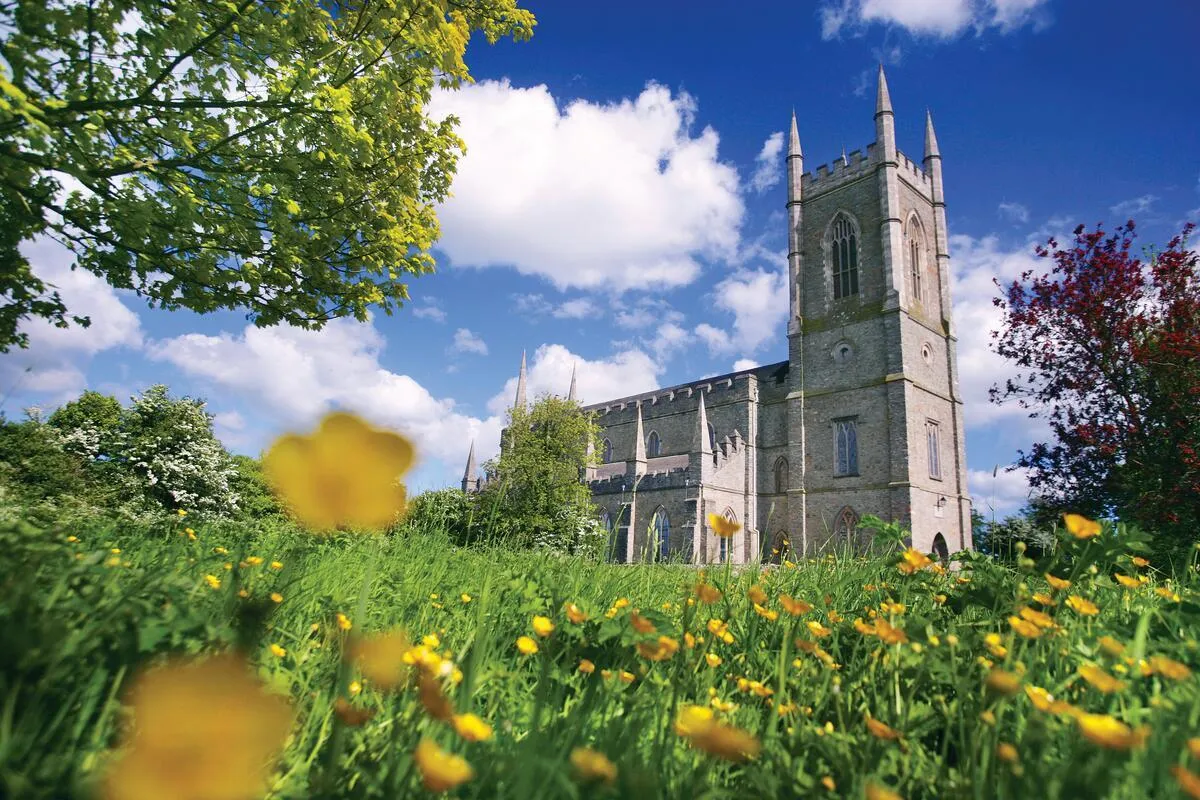
The town where Patrick is reputedly buried, alongside Brigid and Columba. Down Cathedral sits on the hill with the supposed grave marked by a simple granite slab. The Saint Patrick Centre in the town is the main interpretive site. Saul church, where Patrick built his first church, is a ten-minute drive. Struell Wells, where he prayed, is atmospheric and usually empty.
Seaside Full guide Newcastle
The seaside town at the foot of the Mournes. Growing up in Armagh, Newcastle was the beach - school trips, weekend drives, fish and chips on the prom. The Slieve Donard Hotel is a Victorian landmark. Tollymore Forest Park is ten minutes away and one of the finest forest walks in Ireland. The town has not changed dramatically, and that is part of the appeal - granite mountains behind, sand in front, and no pretence about it.
Where to Base Yourself
Newcastle for the Mournes and the beach. Bangor for Belfast proximity and the Ards Peninsula. Downpatrick for Patrick's heritage and Strangford Lough.
Newcastle
The natural base for the Mourne Mountains. A proper seaside town with a long beach, a promenade, and the mountains rising directly behind. The Slieve Donard Hotel is the landmark accommodation. Tollymore Forest Park is ten minutes away. Good restaurants and cafes. Gets busy on summer weekends.
Bangor
A large town on the north shore of Belfast Lough with a marina, a decent high street, and good transport links to Belfast by train. The starting point for the Ards Peninsula and convenient for Mount Stewart. The seafront has been well redeveloped. More suburban than scenic, but practical and well-served.
Downpatrick
The county town and the centre of the St Patrick story. Small but with enough to fill a half-day - the cathedral, the Saint Patrick Centre, and the surrounding sites. A few good pubs and restaurants. Practical base for Strangford Lough and the Lecale Peninsula.
Getting There & Around
Belfast City Airport (BHD)
Twenty minutes from Bangor and about an hour from Newcastle. The most convenient airport for County Down. Flights from London, Edinburgh, Manchester, and other UK cities. George Best Belfast City Airport is its full name.
From Dublin
About 1.5 hours to Newry via the M1/A1, then another 30-40 minutes to Newcastle. The border crossing is invisible. Alternatively, 2 hours to Belfast then south. The Dublin route is more direct for the Mournes.
From Belfast
About an hour to Newcastle via the A24 through Ballynahinch, or the A2 coastal route via Dundrum which is longer but scenic. Bangor is 30 minutes via the A2. Downpatrick is 45 minutes via the A7.
By Train
Translink runs Belfast to Bangor frequently - about 30 minutes, one of the most regular rail services in Northern Ireland. No train to Newcastle, Downpatrick, or the Mournes. The Bangor line is useful for the Ards Peninsula.
By Bus
Translink runs Belfast to Newcastle (Mourne Rambler, seasonal) and regular services to Downpatrick and Newry. The 20 bus from Belfast to Newcastle takes about 1 hour 15 minutes. Services to rural areas are limited.
When to Visit
May, June, and September are the sweet spot. The Mournes are walkable year-round but summer gives the best conditions. Mount Stewart's gardens peak in May and June. Newcastle gets busy on summer weekends - the car park situation on sunny Saturdays in July is something to plan around.
Where to Stay
The Slieve Donard in Newcastle is the landmark hotel. Bangor has the most choice. The rest of the county is B&Bs, guesthouses, and self-catering.
Slieve Donard Resort & Spa, Newcastle
A grand Victorian railway hotel at the foot of the Mournes with the beach on one side and the mountains on the other. The spa is one of the best in Northern Ireland. The building has real presence and the location cannot be beaten. Not the cheapest option, but it defines the Newcastle experience. The Charlie Chaplin suite is a nice touch - he holidayed here.
Hotels
The Slieve Donard in Newcastle is the flagship. Bangor has several options. Elsewhere, expect smaller hotels and guesthouses. The Mournes area has limited hotel stock - book ahead for summer weekends.
B&Bs
Excellent options across the county, particularly around Newcastle and the Ards Peninsula. Many offer mountain or sea views. The Lecale area around Downpatrick has some hidden gems.
Self-catering
Good range of coastal cottages and Mourne-area holiday lets. Carlingford Lough and the Mournes have the best settings. Ards Peninsula has seaside options. Summer fills quickly.
Finding Your Down Roots
Down's heritage spans from St Patrick in the 5th century through the Norman de Courcy invasion, the plantation, and centuries of settlement that created one of the most complex social landscapes in Ulster. The county had both a strong Gaelic-Irish and Scots-Presbyterian population, and the emigration from Greyabbey, Bangor, and the Ards to colonial America was significant. If your surname is Thompson, Johnston, Patterson, Martin, or Russell, the County Down connection is worth exploring.