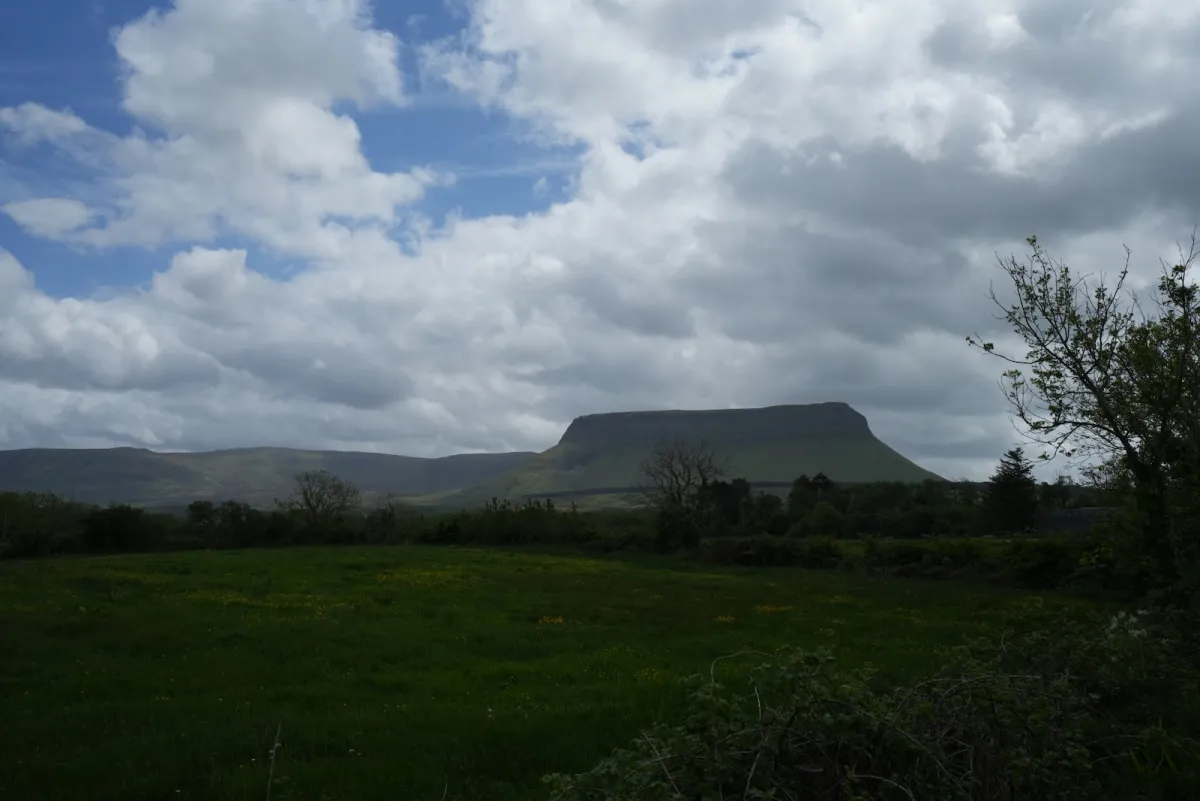
I didn't spend much time in Sligo Town until music brought me there. First for a festival, then for a performance with an Irish group I was singing with at the time. That's when I realised it's the perfect size for a weekend. You've got enough in the town itself to fill your evenings (the food is genuinely better than you'd expect), and then Benbulben, Knocknarea, and the Yeats sites are all within a 20-minute drive. Most people treat Sligo as a quick stop between Galway and Donegal, which is a shame. The town has more going on than it gets credit for.
The music scene is what keeps pulling me back. Sligo has festivals in July and October, plus regular sessions throughout the year. There's a reason artists and photographers base themselves here. The light around Benbulben is something else, and the concentration of Neolithic sites nearby is the highest in Ireland. But the town itself is what surprised me. Independent shops, a proper evening food scene, and a pace that feels right for a weekend without rushing.
If you're planning a trip to the northwest, I'd suggest basing yourself in Sligo for at least two nights rather than just passing through. You'll see why it's overlooked, and why that's actually a good thing.
What to Expect
Town centre first impressions
Sligo Town sits either side of the Garavogue River, which runs from Lough Gill out to the Atlantic. The river gives the town its shape. You're never more than a few minutes' walk from it, and the bridges connect everything. I usually start at the Douglas Hyde Bridge on Stephen Street, where you get a good view up and down the river. Then I work my way through the compact streets around O'Connell Street and Wine Street.
The scale is what makes it work. You can walk from one end of the town centre to the other in about 15 minutes. But there's enough going on that you don't feel like you've seen everything in an hour. Weekends are busier. Saturday mornings especially, when the farmers' market is on and locals are doing their shopping. By Sunday afternoon it quietens down significantly. That's either perfect or frustrating depending on whether you want atmosphere or space.
The one drawback here is parking. If you arrive after 10.30am on a Saturday, you'll circle for a while. The Peace Park car park on Lungy Street is your best bet, but it fills fast. I've had better luck at the Calry Church car park on The Mall, which is a 5-minute walk from the centre. Surface parking only, no multi-storey, so plan accordingly.
Rain is the other reality. Sligo gets a lot of it, and when it comes in off the Atlantic it doesn't mess about. I've been caught in proper downpours here more than once. The upside is that most of what you'll want to see in town has indoor options. The Abbey, The Model, the shops. So you can adjust your plans without writing off the day.
My anchors in town
Sligo Abbey is where I usually start if I'm showing someone around. It's a Dominican friary from 1252, damaged by fire in 1414, then rebuilt with the Gothic arches and cloisters you see now. The O'Craian tomb from 1506 is worth looking at. The carved figures are still sharp after 500 years. Entry is €5 for adults (€3 child, and free on the first Wednesday of each month), and you'll cover it in about an hour. It's open from mid-March to late December, but check the Heritage Ireland site before you go.
The Yeats connection is everywhere in Sligo, but it's not overdone. There's a statue of W.B. Yeats on Stephen Street, and the Yeats Building nearby has exhibitions and a small bookshop. His grave is at Drumcliffe Church, about 15 minutes north of town, with the "Cast a cold eye" epitaph he wrote himself. I'd suggest combining that with a drive to see Benbulben. It's the mountain that dominates the landscape and shows up in his poetry constantly.
The Model is the gallery I keep coming back to. It houses the Niland Collection, which is the largest public collection of Jack B. Yeats paintings. W.B.'s brother, and a better painter in my opinion. The building itself is modern and well-lit. They rotate contemporary exhibitions alongside the permanent collection. Entry is free. If you're interested in Irish art at all, this is where you'll spend more time than you planned.
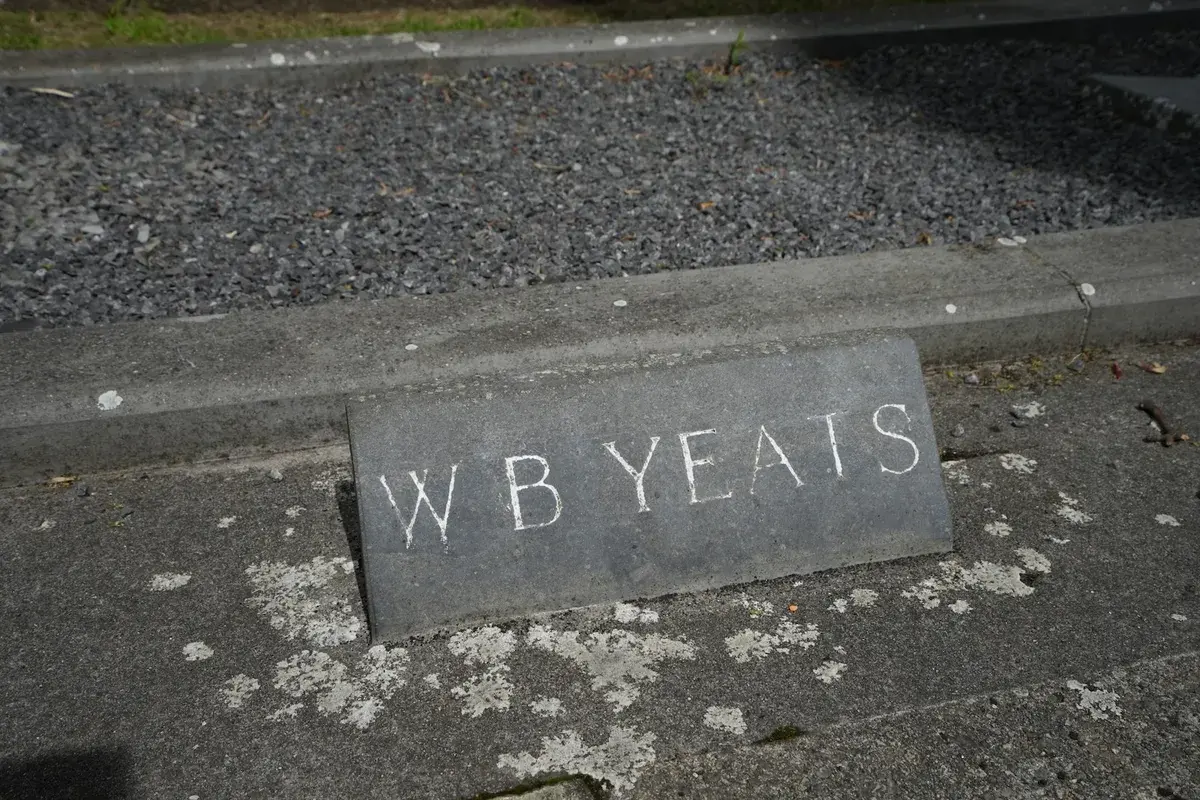
One thing that surprised me: Sligo has a link to Dracula. Bram Stoker's mother, Charlotte Thornley, lived through a cholera outbreak here in the 1830s and documented it. Stoker used some of her accounts in his writing. It's not promoted much, but it adds another layer to the literary history beyond Yeats.
Evenings in Sligo
The evening food scene in Sligo is better than it has any right to be for a town this size. I've had genuinely good meals here. Not just "fine for Ireland" but properly good. The Sligo Food Trail highlights local producers, and you'll see that reflected in the menus. Independent restaurants outnumber chains in the town centre, which is rare enough in Ireland these days.
I'm not going to list specific restaurants because they change. But walk along O'Connell Street and Wine Street and you'll find what you're after. Book ahead for Friday and Saturday nights. Tables fill up, especially during festival weekends. Sunday evenings are hit and miss. A lot of places close early or don't open at all. So if you're staying Sunday night, sort your dinner plans by 6pm.
Music is why I started coming to Sligo, and it's still the main draw for me. The town has two big festivals. Cairde Sligo Arts Festival in July and Sligo Live in October. Sligo Live focuses on emerging artists and runs over several days with gigs in pubs and venues across town. Book tickets early through sligolive.ie because it sells out. Outside festival season, there are regular trad sessions and live music nights. Ask in any pub and they'll tell you what's on.
The music scene here feels genuine rather than performative. You're not watching a show put on for tourists. You're in a pub where locals happen to be playing music. That's the difference, and it's why I keep recommending Sligo to people who want to hear Irish music without the theatre of it.
How to Get There
Sligo Town is 135 miles from Dublin, 90 miles from Galway, and 40 miles from Enniskillen in Northern Ireland. If you're driving from Dublin, take the N4 west. It's about 2.5 hours in normal traffic. From Galway, the N17 north takes around 1.5 hours. From Enniskillen, the N16 west is 45 minutes. Ireland West Airport at Knock is 54 kilometres south, about 45 minutes by car.
You'll need a car for Sligo unless you're planning to stay entirely in the town centre. The nearby sites are all within 20 minutes' drive, but there's no practical public transport to reach them. Knocknarea, Benbulben, Strandhill, Drumcliffe. If you're flying into Dublin or Shannon and don't have a car, I'd suggest hiring one for the northwest leg of your trip.
Rail is an option if you're coming from Dublin. Irish Rail runs three trains daily from Dublin Connolly to Sligo, taking about 3 hours. It's scenic once you get past Mullingar, following the Shannon and then cutting through Leitrim. Bus Éireann connects Sligo to Dublin, Galway, Derry, and Belfast. But journey times are long. Over 4 hours from Dublin by bus.
Parking in Sligo Town is pay and display. The Peace Park car park on Lungy Street is central but fills by mid-morning on weekends. The Calry Church car park on The Mall is less busy and only a 5-minute walk from the centre. Both are surface car parks. No covered or multi-storey options. Expect to pay €1-2 per hour. Street parking exists but is limited and heavily used by locals. If you're staying overnight, check whether your accommodation has parking. Not all town centre hotels do.
Where to Stay Nearby
I'd base myself in Sligo Town rather than outside it. You want to be within walking distance of the evening restaurants and music. Most of the hotels in the town centre have parking or arrangements nearby. The main cluster is around O'Connell Street and the Garavogue River. If you're looking at options across County Sligo, check hotels and prices in Sligo ->
I've stayed here and it's well-located on the south side of town, about a 10-minute walk from the centre. Rooms are spacious, there's on-site parking (which matters in Sligo), and the restaurant is decent for breakfast. It's not fancy, but it's comfortable and practical for a weekend base.
Check availability →What Else is Nearby
A Note on the History
Sligo has the highest concentration of Neolithic monuments in Ireland. Passage tombs, court tombs, portal tombs. The whole landscape is on Ireland's UNESCO Tentative World Heritage List. Carrowmore, just south of town, has over 30 tombs dating back more than 5,000 years. Knocknarea's Queen Maeve's Cairn is the second-largest cairn in Ireland. Carrowkeel, further into the hills, is even older. This isn't just one or two sites. It's an entire Neolithic landscape that people were using for ceremonies and burials for thousands of years.
The Yeats connection runs deep here. W.B. Yeats spent childhood summers in Sligo and wrote about the landscape constantly. Benbulben, Lough Gill, the islands. His brother Jack B. Yeats was a painter, and The Model gallery in town has the largest public collection of his work. W.B. is buried at Drumcliffe with the epitaph he wrote himself: "Cast a cold eye on life, on death. Horseman, pass by." It's become a pilgrimage site for people who care about Irish literature.
What most people don't know is the Bram Stoker link. His mother, Charlotte Thornley, lived through a cholera outbreak in Sligo in the 1830s and documented the horror of it. Bodies piling up, mass graves, panic. Stoker used some of her accounts when he was writing Dracula. It's not promoted much, but it adds a darker thread to Sligo's literary history beyond the poetry and paintings.
Frequently Asked Questions