County Tyrone
Northern Ireland's largest county and its least visited - a landscape of bog, mountain, and quiet valleys where the Sperrin Mountains roll to the horizon and the Ulster American Folk Park tells the emigration story better than anywhere else. Bronze Age stone circles, O'Neill heritage, and a solitude that is increasingly rare on this island.
Tyrone is the largest county in Northern Ireland and the one that fewest visitors see. It is landlocked, largely rural, and lacks the headline attractions that pull tourists to Antrim or Down. What it has instead is the Sperrin Mountains - the largest upland area in Northern Ireland - and a landscape of bog, forest, and quiet valleys that feels genuinely remote despite being an hour from Belfast.
The Ulster American Folk Park near Omagh is one of the best museums on the island, telling the emigration story from thatched cottage to New World with a completeness and honesty that is rare. Gortin Glen Forest Park is a hidden gem for walking and mountain biking. And the county's O'Neill heritage runs deeper than almost anywhere - the Earls of Tyrone were the last Gaelic lords to hold out against English rule, and the Flight of the Earls in 1607 from Rathmullan changed the course of Irish history.
Tyrone is a car county. Omagh is the main town but it is not a tourist base in the traditional sense. The A5 from Dublin to Derry runs through the county and is the main transport corridor. The Sperrins are accessed via B-roads that are scenic and empty. Allow the Ulster American Folk Park at least three hours - it deserves unhurried time.
Below you'll find my complete Tyrone intelligence - where to base yourself, what's genuinely worth your time, and the practical stuff that the tourism brochures conveniently skip. Everything from first-hand experience.
Where is County Tyrone?
Signature Destinations
The places that make Tyrone worth the drive. Arranged by genuine impact, not alphabetical order.
Museum Full guide Ulster American Folk Park
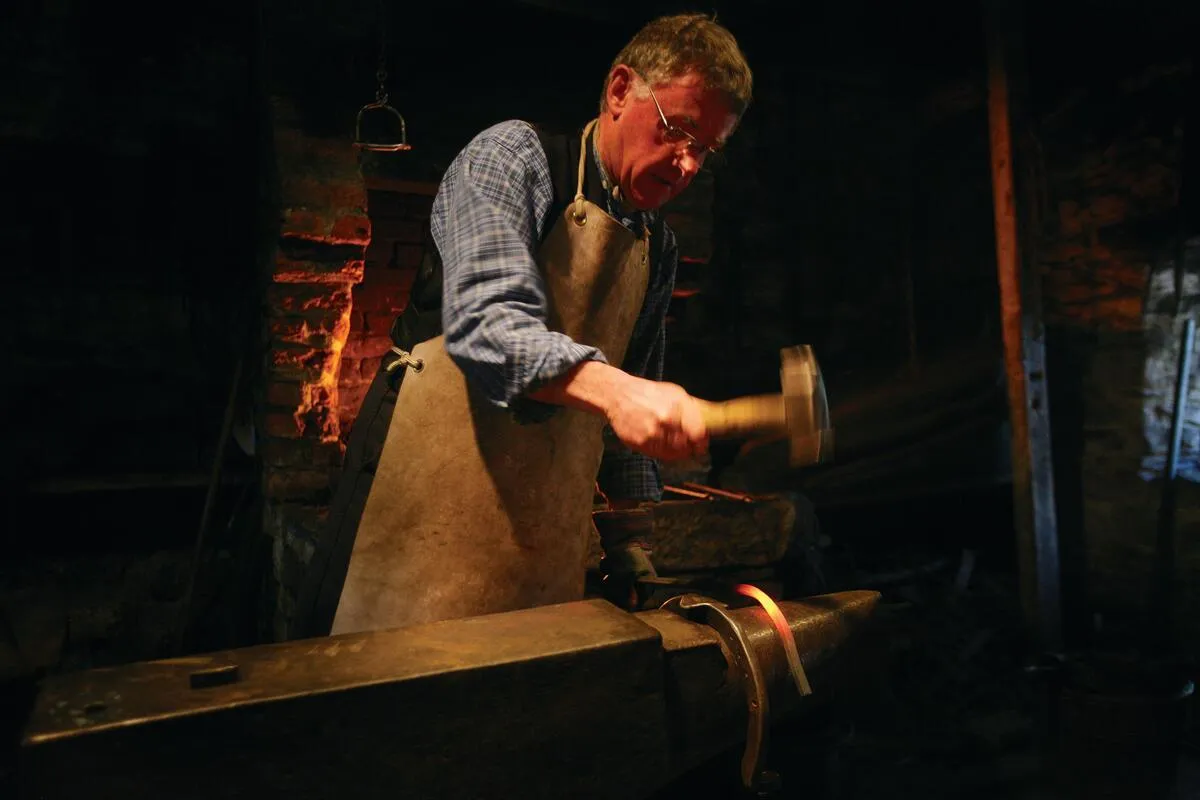
An open-air museum near Omagh that recreates the emigration journey from Ulster to America. Thatched cottages, a full-size emigrant ship, and an American street on the other side. Staff in period costume bring the buildings to life. It tells the story of the Scots-Irish migration with remarkable depth. One of the best museums in Ireland, full stop. Allow three hours minimum.
Sperrin Mountains
A vast, lonely mountain range of rounded summits and blanket bog. Sawel at 678 metres is the highest point. The Sperrins lack the granite drama of the Mournes but have a melancholy beauty that grows on you. Walking here means solitude - you can spend a full day on the hills and not see another person. The Glenelly Valley and Barnes Gap are particularly fine.
Forest Park Full guide Gortin Glen Forest Park
A forest park in the foothills of the Sperrins with a 5-mile scenic drive, walking trails, and a mountain bike trail. The views from the higher ground across to the Sperrins are excellent. Quieter than comparable parks in the east. The red deer enclosure is a bonus. Good for families and anyone who wants a Sperrin taster without committing to a full mountain day.
Heritage Full guide Beaghmore Stone Circles
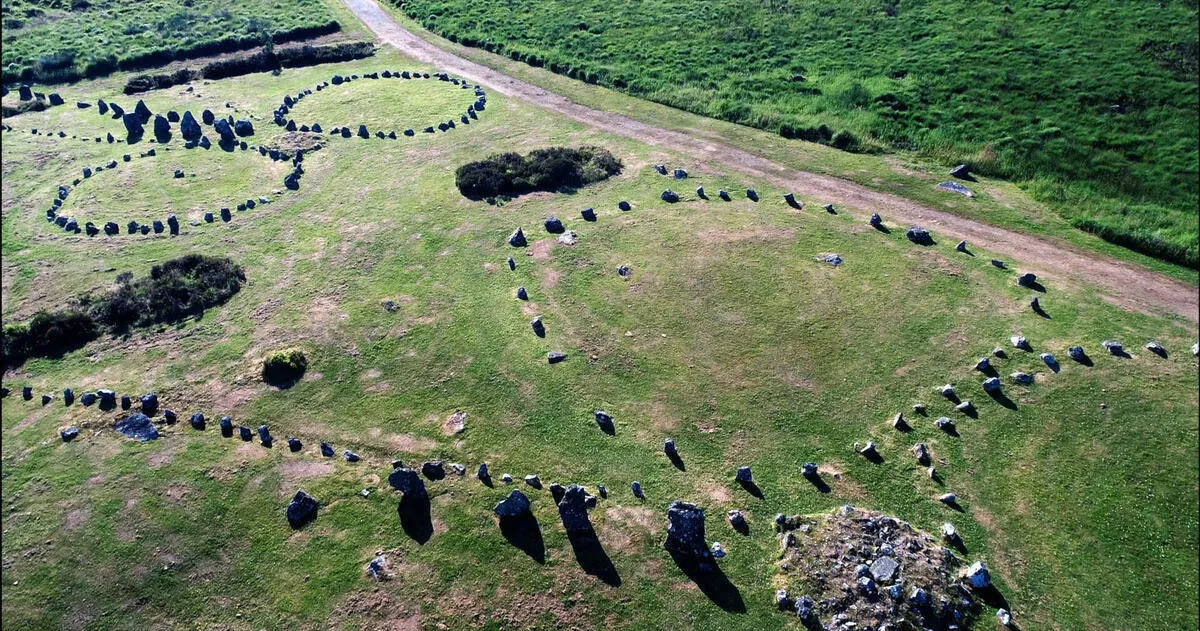
A complex of seven stone circles, stone rows, and cairns on the edge of the Sperrins, dating to the Bronze Age. Discovered under peat in the 1940s and only partially excavated - more may lie beneath. The alignment with celestial events is debated but the atmosphere is not. Free, open access, and usually completely deserted. One of the most evocative prehistoric sites in Ireland.
Visitor Centre Full guide An Creagan Visitor Centre
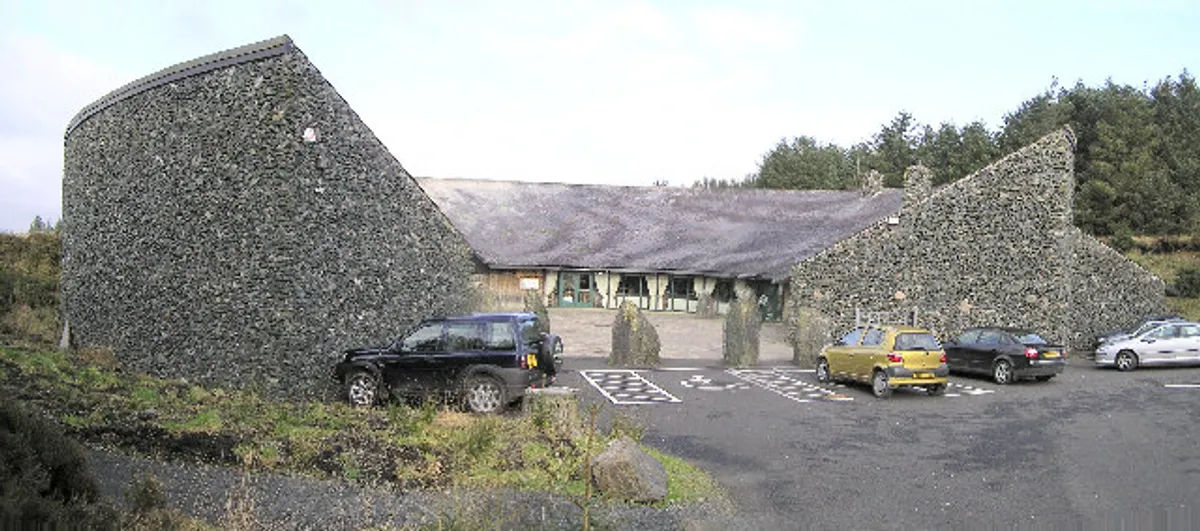
A heritage and cultural centre in the Creggan area of the Sperrins that serves as a gateway to the surrounding landscape. Exhibitions on local archaeology, history, and ecology. The bog walks from here are excellent and the centre can arrange guided tours of Beaghmore and other sites. A useful starting point if the Sperrins feel intimidating.
Where to Base Yourself
Omagh is the natural base with the best services and proximity to the Folk Park. Cookstown covers the eastern Sperrins. Strabane is useful if you are combining Tyrone with Derry or Donegal.
Omagh
The county town and the practical base. A market town that has rebuilt itself with quiet determination since the 1998 bombing. The memorial garden on the main street is moving. Good restaurants and a few decent hotels. The Folk Park is ten minutes outside town. The Sperrins are twenty minutes north.
Cookstown
A market town with what is claimed to be the longest main street in Ireland - over a mile of straight road. Practical base for the eastern Sperrins and Beaghmore. The town has a good food scene driven by the local agricultural community. Lough Neagh and its fisheries are nearby.
Strabane
A border town on the River Mourne, twinned with Lifford across the bridge in Donegal. Gray's Print Shop, where John Dunlap - printer of the American Declaration of Independence - learned his trade, is the main attraction. Practical as a base for reaching Derry (15 min) and the western Sperrins.
Getting There & Around
Belfast International Airport (BFS)
About 1.5 hours to Omagh via the M1 and A5. The most practical airport for international arrivals. City of Derry Airport is closer to western Tyrone but has limited routes.
From Dublin
About 2.5 hours via the N2/A5 through Monaghan. The A5 upgrade has been debated for years but the road is still largely single-carriageway. The drive through Monaghan and across the border is pleasant enough.
From Belfast
About 1.5 hours via the M1 and A5 through Dungannon. Straightforward driving. Alternatively, the A6 through Toome reaches the eastern Sperrins via Cookstown.
By Bus
Translink Goldline runs Belfast to Omagh and Belfast to Derry via Dungannon. Services are regular but not frequent. No train station in the county - the nearest rail connections are Derry and Portadown.
When to Visit
May through September for the best weather. The Sperrins are walkable year-round but summer gives the longest days and driest conditions. The Folk Park is open year-round and works well as a wet-weather option. Tyrone never gets crowded - even in peak summer the Sperrins feel like they belong to you alone.
Where to Stay
Accommodation in Tyrone is honest rather than luxurious. Omagh has the best range. Farmhouse B&Bs in the Sperrins are the highlight of the county's offering.
Corick House Hotel, Clogher
A restored Georgian country house between Omagh and Dungannon in the Clogher Valley. The restaurant is excellent, the rooms are comfortable, and the setting in the quiet countryside is a good base for exploring the southern Sperrins and mid-Tyrone. Better than anything in the larger towns and worth the short drive.
Hotels
Limited. Omagh has a few solid options. Cookstown and Dungannon have business hotels. The county lacks luxury accommodation - the nearest upmarket options are in Derry or Fermanagh.
B&Bs
The best way to stay in Tyrone. Farmhouse B&Bs in the Sperrins area are excellent value and the hosts tend to know the landscape intimately. Book directly for the best rates.
Self-catering
Growing range of rural cottages and converted barns, particularly in the Sperrins and Gortin area. Excellent for walkers and anyone who wants genuine solitude. Prices are very reasonable.
Finding Your Tyrone Roots
Tyrone is O'Neill country - the heartland of the most powerful Gaelic dynasty in Ulster. Hugh O'Neill, Earl of Tyrone, led the last great Gaelic challenge to English rule before the Flight of the Earls in 1607. The plantation that followed brought Scottish and English settlers, and the subsequent emigration to America created the Scots-Irish tradition that shaped American politics and culture. The Ulster American Folk Park tells this story powerfully. If your surname is O'Neill, Quinn, Donnelly, Devlin, or McCann, the Tyrone roots run deep.