County Louth

The smallest county in Ireland with a disproportionate amount to offer. Medieval Carlingford on its lough, the mythological Cooley Peninsula, Monasterboice's high crosses, and Drogheda's gritty revival. Sitting on the Dublin-Belfast corridor, Louth is the county everyone drives through and almost nobody stops in. That is changing.

Guides
2
Best months
Apr - Sep
From Dublin
1h drive
From Belfast
1h
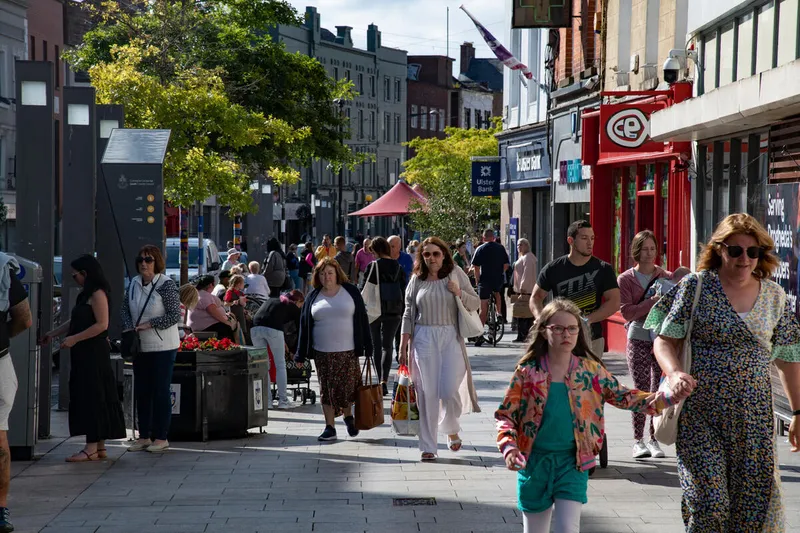
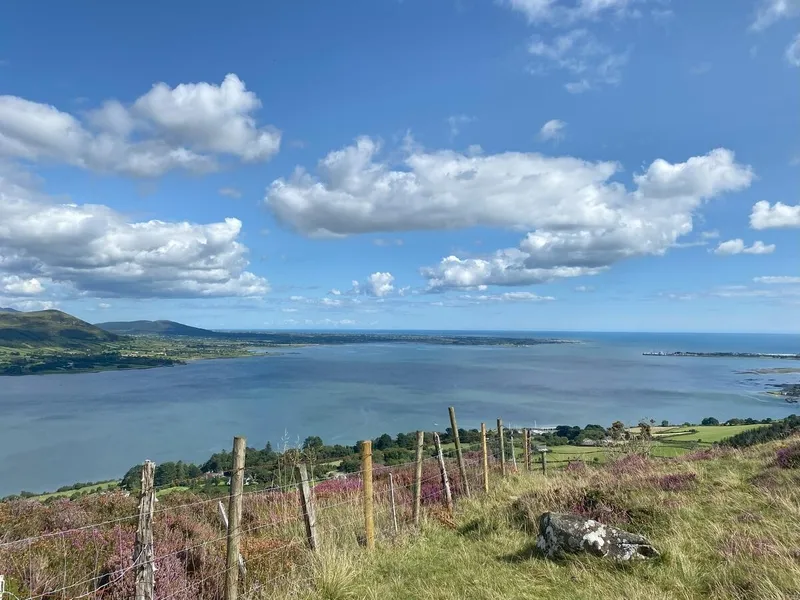
Dundalk, County Louth. Photo: Patrick Hughes

Louth is the smallest county in Ireland and one of the most overlooked. It sits in the gap between Dublin and Belfast, which means most people experience it as a motorway blur between the two cities. That is a waste. The Cooley Peninsula is a miniature mountain landscape jutting into Carlingford Lough with views across to the Mournes. Carlingford itself is one of the best-preserved medieval towns in Ireland. And the Boyne Valley - shared with Meath - holds some of the most important archaeological sites in Europe.

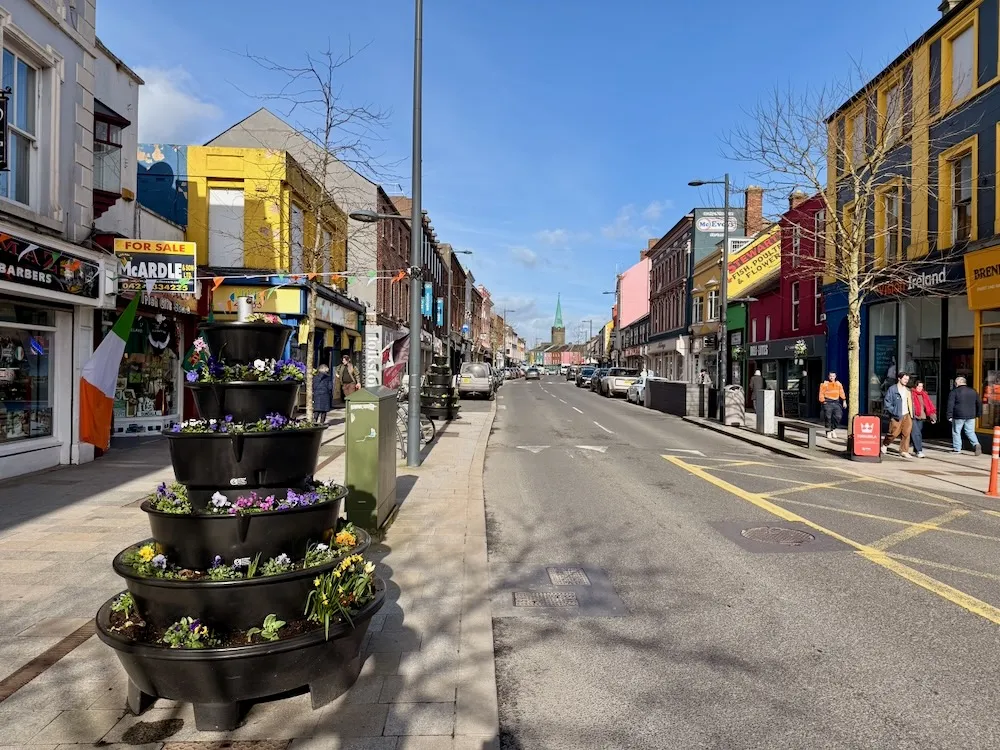
The county is also a border county, and the area around Dundalk and Jonesborough has a character shaped by that. The border is invisible now, but the culture of crossing it - for shopping, for fuel, for different jurisdictions and different prices - is still very much alive. Drogheda, at the southern end, is a proper working town with a medieval core that is starting to attract the attention it deserves.

Know before you go

Louth is small enough to cover in a day or two, but the Cooley Peninsula deserves time on its own. The M1 motorway runs straight through the county, so access from Dublin or Belfast is fast. Carlingford is the destination; Drogheda and Dundalk are the practical bases. A car is essential for Cooley but the towns are walkable.

Below you'll find my complete Louth intelligence - where to base yourself, what's genuinely worth your time, and the practical stuff that the tourism brochures conveniently skip. Everything from first-hand experience.
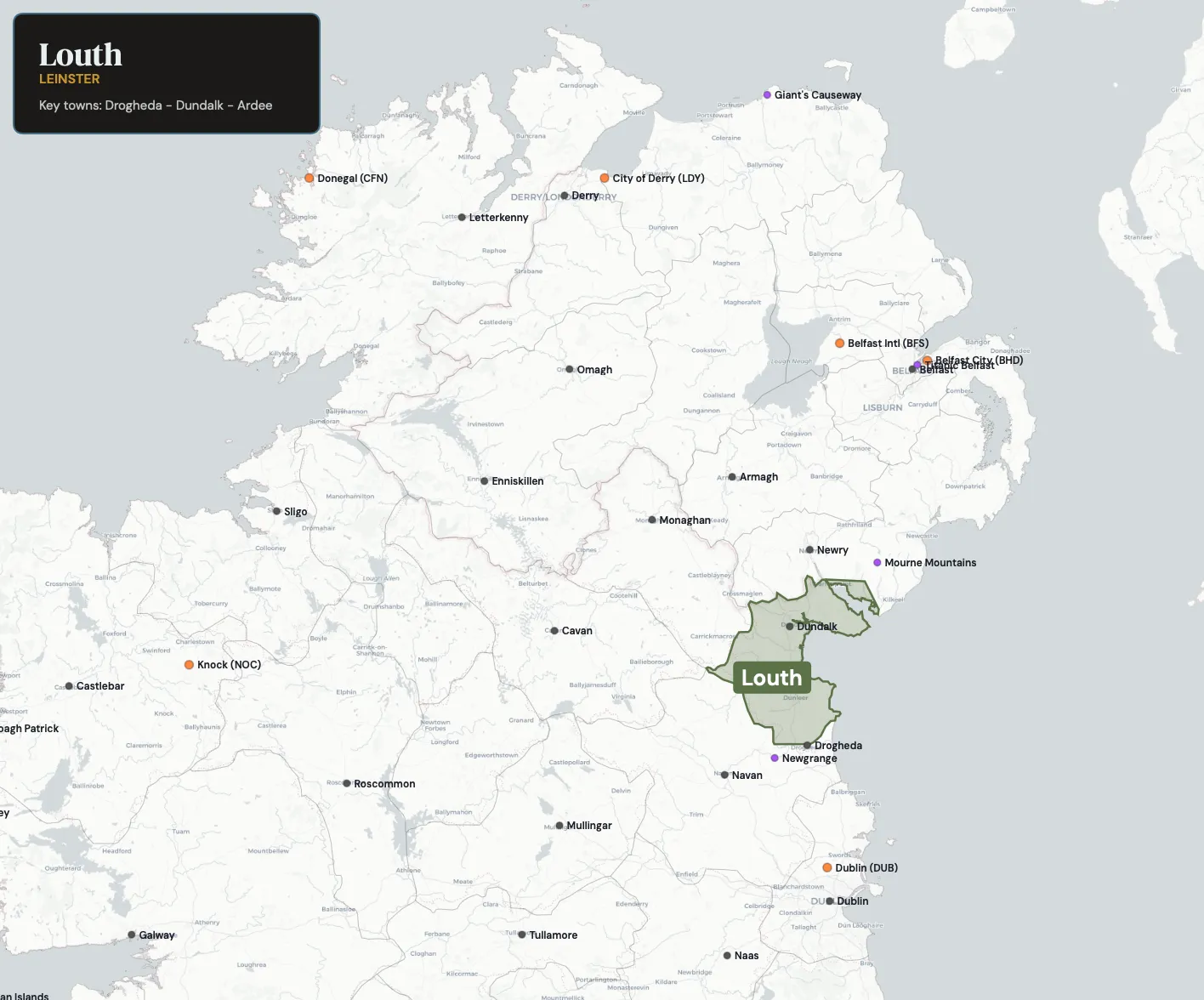
Where is County Louth?

Map showing County Louth in the northwest of Ireland

Signature Destinations

The places that make Louth worth the drive. Arranged by genuine impact, not alphabetical order.

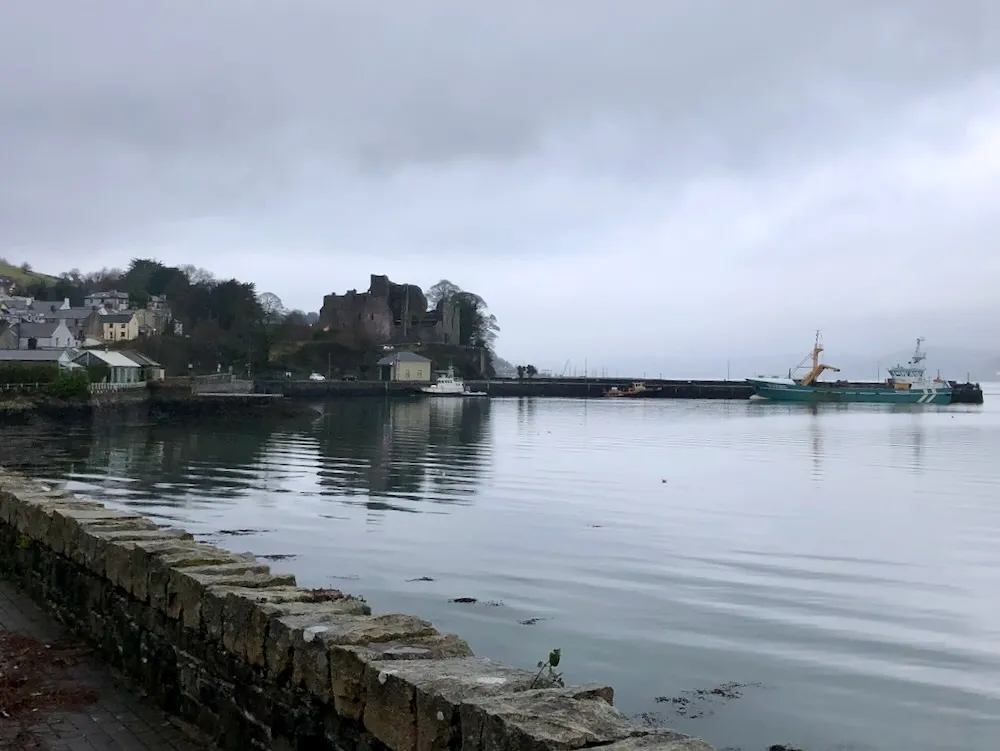
Carlingford medieval town and harbour, County Louth. Photo: Patrick Hughes Heritage Town Full guide

Carlingford

A medieval walled town on the shore of Carlingford Lough with the Cooley Mountains rising behind it and the Mournes visible across the water. King John's Castle (the other one - Limerick has the first), the Tholsel gate, and the Mint are all within a five-minute walk. The food scene is surprisingly strong for a small town. Oysters from the lough are excellent.

Cooley Peninsula with the Mourne Mountains across Carlingford Lough. Photo: Patrick Hughes Drive Route Full guide

Cooley Peninsula

A small mountainous peninsula between Dundalk Bay and Carlingford Lough. The setting for the Tain Bo Cuailnge - the greatest saga in Irish mythology. The drive around the peninsula takes about an hour without stops, but you will stop often. The views across to the Mournes from the mountain road above Omeath are among the best on the east coast of Ireland.

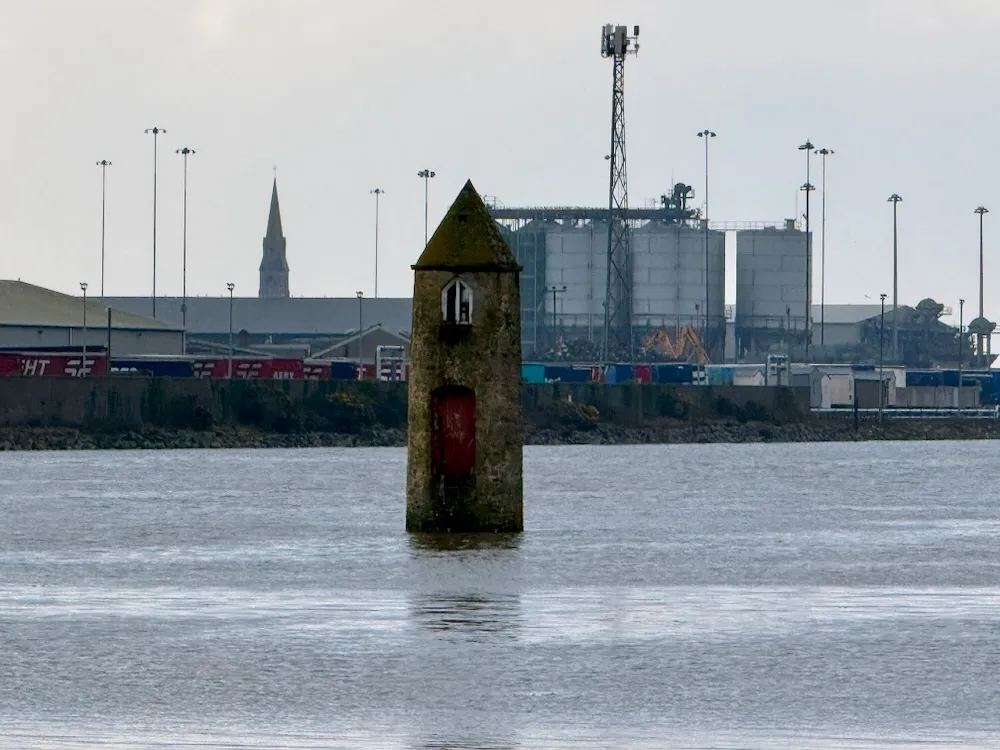
Drogheda town and the River Boyne, County Louth. Photo: Chris Hill Photographic / Copyright: Tourism Ireland Town Full guide

Drogheda

A medieval town on the Boyne with a history that includes Cromwell's worst atrocity in Ireland. The Millmount fort overlooks the town and houses a good museum. St Laurence's Gate is one of the finest surviving town gates in Ireland. The town is gritty and real - not a heritage theme park. The food scene is growing and the Brú na Bóinne visitor centre for Newgrange is twenty minutes south.

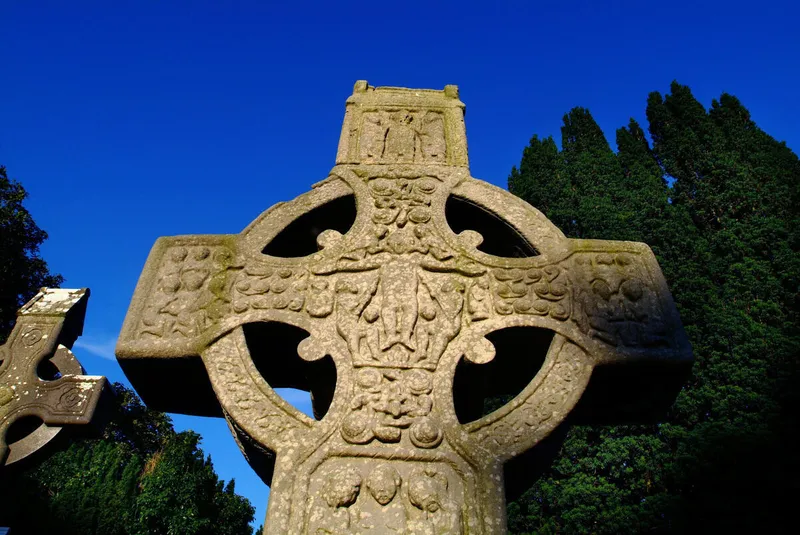
Muiredach's High Cross at Monasterboice, County Louth. Photo: Chris Hill Photographic / Copyright: Tourism Ireland Heritage Full guide

Monasterboice

A ruined monastic site with two of the finest high crosses in Ireland. Muiredach's Cross is the standout - 5.5 metres tall with biblical scenes carved in extraordinary detail. The round tower and two churches complete the site. Free, open access, rarely crowded. Ten minutes north of Drogheda and often missed by tourists rushing to Newgrange.

View from Slieve Foye summit, Cooley Peninsula. Photo: Courtesy Bernice Naughton Walk Full guide

Slieve Foye

The highest point on the Cooley Peninsula at 589 metres. The walk from Carlingford to the summit is a proper hill walk - about four hours return, steep in places, and the views from the top take in the Mournes, Slieve Gullion, Dundalk Bay, and on a clear day the Wicklow Mountains far to the south. Not signposted brilliantly - check the route before you go.

Where to Base Yourself

Louth gives you three options: Carlingford for charm, Drogheda for the Boyne Valley, Dundalk for practicality. The county is small enough that all three are within thirty minutes of each other.

Carlingford

North-east (45 min from Dundalk) Heritage village
Best for: Weekends, food, heritage, walking, couples

The most attractive base in Louth by some distance. Small, walkable, and with a food and pub scene that punches above its weight. The medieval buildings give it character that most Irish towns have lost. Gets busy on summer weekends. Parking can be tight - use the car park at the harbour.

Drogheda

South (30 min from Dundalk) Market town
Best for: Boyne Valley access, practical base, Dublin commuters

The larger of Louth's two main towns, with better shopping, more restaurants, and easy access to the Boyne Valley sites. Millmount is worth an hour. The town is reviving its medieval core and the quays area is improving. Good value for accommodation compared to Dublin, and the capital is 45 minutes by car or train.

Stay: The d Hotel
4* Riverside

Dundalk

Central County town
Best for: Border access, Cooley base, transport hub

Louth's county town and the last sizeable stop before the border. More functional than charming, but it has good transport links, decent restaurants, and is the nearest town to the Cooley Peninsula. The county museum is small but well done. Useful base if Carlingford's limited accommodation is full.

4* Business

Getting There & Around

✈️

Dublin Airport (DUB)

About 45 minutes from Drogheda and an hour from Dundalk via the M1. The most practical airport for Louth. Belfast International is a similar distance from the northern end of the county but Dublin has far more flight options.

🚗

From Dublin

About an hour to Dundalk, 45 minutes to Drogheda, via the M1. Fast, flat motorway. Louth is one of the most accessible counties in Ireland - if you can get to Dublin, you can get to Louth without effort.

🚗

From Belfast

About an hour to Dundalk via the M1/A1. You cross the border south of Newry without noticing. Carlingford is about 1.5 hours via the A1 and a scenic diversion east from Dundalk.

🚆

By Train

The Dublin-Belfast Enterprise service stops at Drogheda and Dundalk. Both stations are central. Drogheda is about 40 minutes from Dublin, Dundalk about an hour. One of the few Irish counties where the train is genuinely practical for visitors.

🚌

By Bus

Bus Eireann and Matthews run frequent Dublin to Dundalk services. The M1 express services are fast. Local buses connect Dundalk to Carlingford but the service is limited - a car is the practical option for the Cooley Peninsula.

When to Visit

April through September all work well. Louth is on the east coast and drier than the west - rain is less of an issue than in Galway or Kerry. Carlingford gets busy on summer weekends, particularly bank holidays. Midweek visits are significantly quieter. The Cooley Peninsula is beautiful in autumn colour.

Jan
5°C
Empty
Feb
5°C
Empty
Mar
7°C
Quiet
Apr
9°C
Quiet
May
12°C
Moderate
Jun
15°C
Moderate
Jul
17°C
Busy
Aug
17°C
Busy
Sep
14°C
Moderate
Oct
10°C
Quiet
Nov
7°C
Empty
Dec
5°C
Empty
Ideal
Possible
Brave

Where to Stay

Carlingford is the destination stay, but accommodation is limited and books fast. Drogheda and Dundalk have more choice and better value.

Patrick's pick
Country House

Ghan House, Carlingford

A Georgian country house on the edge of Carlingford with views across the lough to the Mournes. Family-run, excellent restaurant using local ingredients, and the kind of personal attention that chain hotels cannot replicate. The best place to stay in Louth if you want character and quality. The cooking school is a bonus.

Check availability Affiliate link - helps support this site
🏨

Hotels

Drogheda and Dundalk have the best range. Carlingford has a few small hotels and guesthouses that book out quickly on summer weekends. Book ahead for Carlingford.

🏡

B&Bs

Good options around Carlingford and the Cooley Peninsula. Drogheda has several near the town centre. Quality is generally high and prices are reasonable compared to Dublin.

🏠

Self-catering

Carlingford and the Cooley coast have a growing number of holiday lets. The lough-side settings are the draw. Drogheda has some Airbnb options that work as a budget Dublin alternative.

Search Louth accommodation

Compare prices across Booking.com, Hotels.com, Airbnb and more

Powered by Stay22
🔍 Heritage & Ancestry

Finding Your Louth Roots

Louth sits at a crossroads - Gaelic Ireland, the Pale, the plantation, and the border all left their mark. Drogheda's history includes the worst of Cromwell's campaign. The Cooley Peninsula is the heartland of the Tain saga. The border towns developed their own character shaped by partition and the economics of living between two jurisdictions. If your surname is McArdle, Bellew, Callan, Kieran, or Maguire, the connection to Louth may be strong.

McArdleBellewCallanKieranMaguireByrneCarrollDuffyLennonTaaffe

Where to start

1
IrishGenealogy.ie
Free church records - start here before paying for anything
2
Louth County Library Local Studies
Strong collection of local history, newspapers, and genealogy resources in Dundalk
3
National Archives (Dublin)
Census returns, land records, Griffith's Valuation online
4
County Louth Archaeological and Historical Society
Published journals going back to 1904, excellent for local family research