County Armagh

Ireland's ecclesiastical capital and one of its best-kept secrets. Two cathedrals on two hills, a mythological landscape at Navan Fort, the volcanic ring of Slieve Gullion, and apple orchards that produce more fruit than anywhere else on the island. The smallest county in Northern Ireland and the one most people have never visited.

Guides
4
Best months
Apr - Sep
From Dublin
1.5h drive
From Belfast
1h
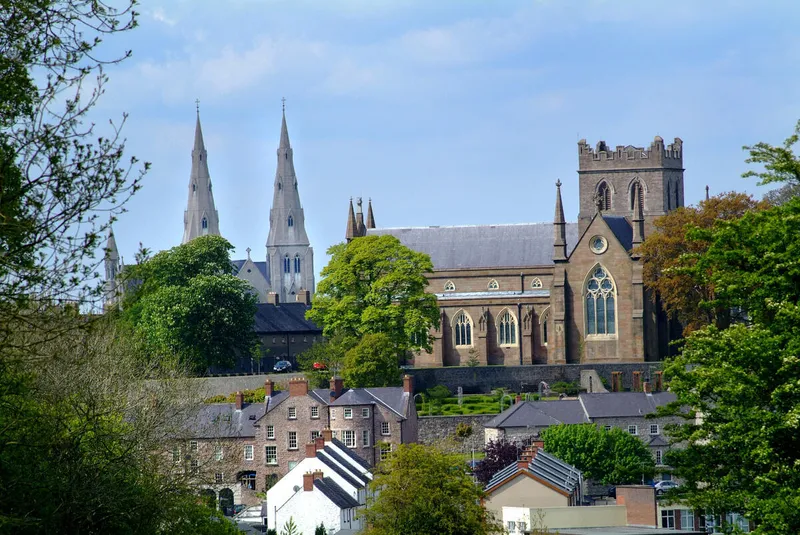
Armagh city skyline with the two St Patrick's cathedrals

Armagh is the smallest county in Northern Ireland and one of the most overlooked places on the island. That is a significant oversight. This is the ecclesiastical capital of all Ireland - both Catholic and Church of Ireland Archbishops sit here, which is unique on the island and tells you something about how long this place has mattered. The city itself is handsome, compact, and largely empty of tourists.

South Armagh is a different country again. Slieve Gullion rises out of a ring dyke landscape that is genuinely world-class geology, the Ring of Gullion is one of the best driving loops in Ulster, and the apple orchards of the northern half of the county produce more fruit than anywhere else in Ireland. The county's problem has always been image - decades of Troubles-era headlines mean most visitors, including people from Belfast, have never been. Their loss is your gain.

Know before you go

Armagh is a car county. The city is walkable in an afternoon, but everything beyond it requires wheels. The A28 from the M1 motorway gets you to Armagh city in about an hour from Belfast. South Armagh is accessed via a network of B-roads that are scenic, narrow, and occasionally challenging. The border with the Republic is invisible - you will cross it without noticing.

Below you'll find my complete Armagh intelligence - where to base yourself, what's genuinely worth your time, and the practical stuff that the tourism brochures conveniently skip. Everything from first-hand experience.
Where is County Armagh?

Signature Destinations

The places that make Armagh worth the drive. Arranged by genuine impact, not alphabetical order.

The two cathedrals of Armagh city. Photo: Chris Hill / Copyright: Tourism Ireland City Full guide

Armagh City

Two cathedrals, both called St Patrick's, sitting on opposing hills - one Catholic, one Church of Ireland. The city between them is Georgian, compact, and has a quality of light on a good evening that is hard to beat. The Palace Demesne gardens are free and excellent. The county museum is small but well done.

Slieve Gullion summit, County Armagh. Photo: Patrick Hughes Mountain Full guide

Slieve Gullion

The highest point in County Armagh at 573 metres, with a passage tomb at the summit that is older than the pyramids. The Slieve Gullion Drive loops around the mountain through forest and open moorland. The summit walk is about two hours return and the views from the top - south to Cooley, north to the Mournes, west to Cavan - are extraordinary.

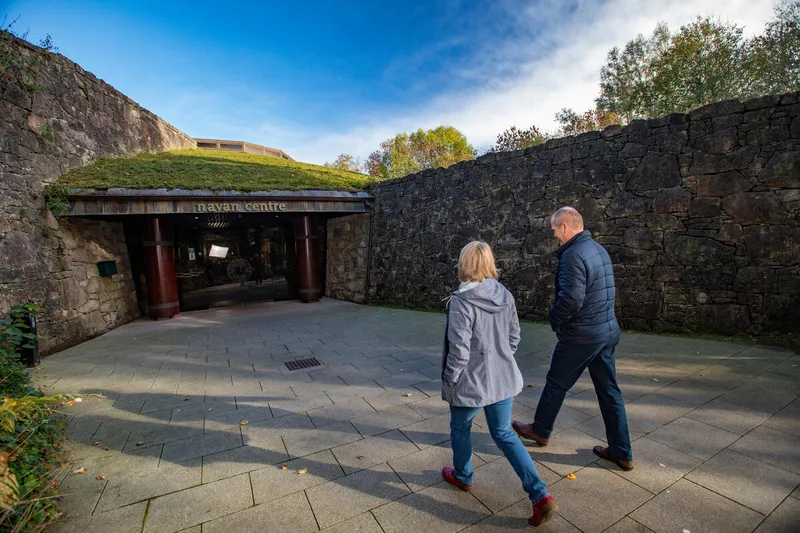
Navan Fort, the ancient Emain Macha, County Armagh. Photo: Courtesy of Navan Centre and Fort Heritage Full guide

Navan Fort (Emain Macha)

The ancient capital of Ulster in Irish mythology - this is where the Red Branch Knights feasted and Cu Chulainn trained. What you see today is a large mound in a field, which undersells it considerably. The visitor centre provides context. Archaeologically, the site dates to 95 BC and the ritual destruction of a massive wooden structure remains one of the great puzzles of Irish prehistory.

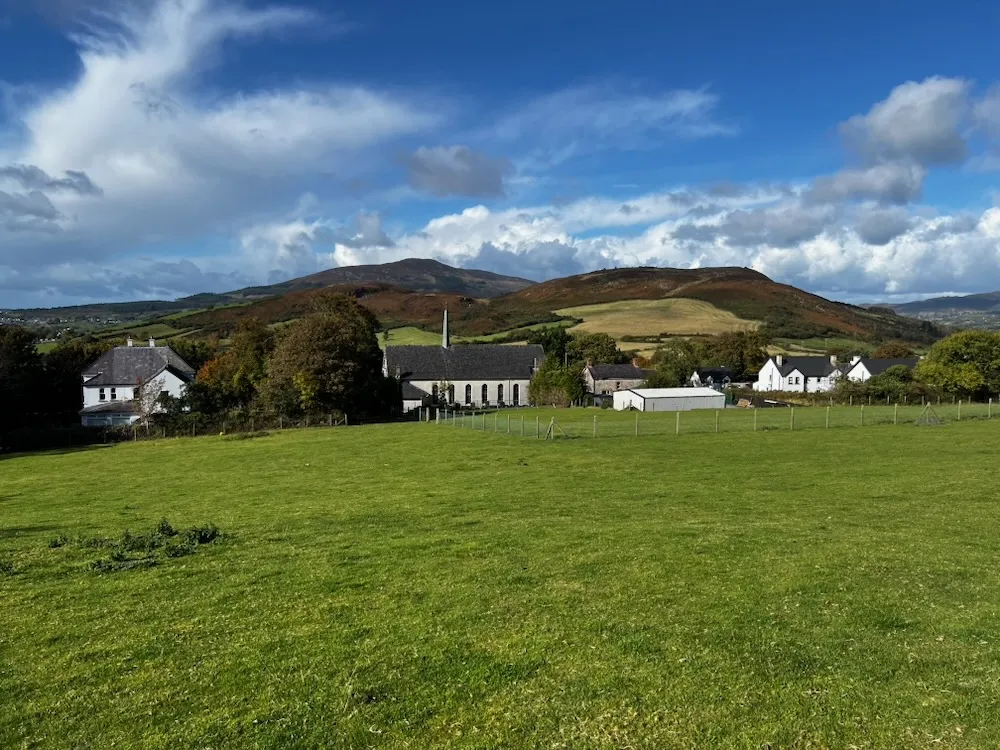
Ring of Gullion landscape, south Armagh. Photo: Patrick Hughes Drive Route Full guide

The Ring of Gullion

A driving loop around Slieve Gullion that passes through some of the best-kept landscape in Ulster. Killeavy Old Churches, the Ballymacdermot court tomb, Cam Lough, and views that open up at every turn. There is no coach-tour traffic here. The geology - a Palaeogene ring dyke - is internationally significant, though the signage does not shout about it.

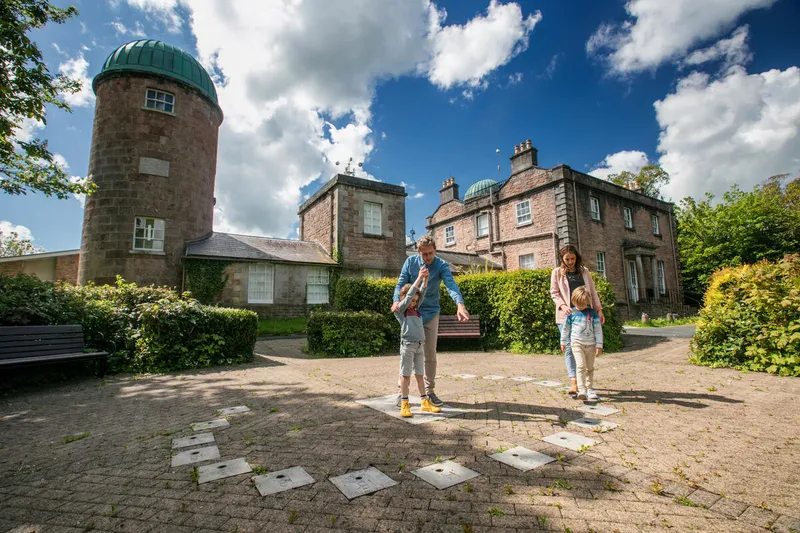
Armagh Observatory and Planetarium. Photo: Courtesy of Armagh, Banbridge, Craigavon Council Science Full guide

Armagh Observatory and Planetarium

One of the oldest observatories in the British Isles, founded in 1790, and still a working research institution. The planetarium next door has been modernised and runs shows throughout the day. The astropark grounds are a pleasant walk. Genuinely good for families without being dumbed down.

Where to Base Yourself

Armagh is compact. The city is the natural base, with Newry as a practical alternative if you want better hotel choice and rail connections.

Armagh City

Hub city Cathedral city
Best for: Heritage, culture, central base

The only real base for the county. Small enough to walk across in fifteen minutes, but with enough restaurants and pubs to keep an evening interesting. The Market Place Theatre brings good touring shows. Accommodation is limited but improving. Everything in the county is within thirty minutes' drive.

4* City Centre

Newry

East (25 min) Market town
Best for: Border shopping, Mourne access, transport links

Technically in County Down, but it sits right on the Armagh border and is the nearest sizeable town to south Armagh. Better hotel selection than Armagh city, direct train to Belfast and Dublin, and useful as a base for both the Mournes and the Ring of Gullion. The canal area has been redeveloped and the food scene is growing.

4* Riverside

Portadown

North (20 min) Market town
Best for: Northern Armagh base, practical stopover

A working town in the north of the county with decent transport links and a few good restaurants. Not a destination in itself, but practical if you are touring the apple orchards of north Armagh or heading to Lough Neagh. The Bann towpath walk is pleasant.

Stay: Seagoe Hotel
4* Suburban

Getting There & Around

✈️

Belfast International Airport (BFS)

About an hour's drive from Armagh city via the M1. The most practical airport for international arrivals. Dublin Airport is about the same distance via the A1/M1 and may have better flight options depending on where you are coming from.

🚗

From Dublin

About 1.5 hours via the M1 north and the A28. Straightforward motorway driving until the Armagh turnoff. You cross the border without noticing - there is no checkpoint, no signage change beyond speed limits switching to miles per hour.

🚗

From Belfast

About an hour via the M1 westbound. Exit at junction 13 for the A28 to Armagh city. One of the easiest drives in Northern Ireland - flat motorway the entire way.

🚌

By Bus

Translink Goldline runs Belfast to Armagh regularly. The bus station is central. Services to Dublin via Newry are available but less frequent. No train station in Armagh - the nearest rail connection is Portadown or Newry.

When to Visit

April through September all work well. Armagh is inland, so it misses the worst of the coastal rain. May brings the apple blossom - the orchards around Loughgall are spectacular for a brief window. The city's Georgian architecture looks its best in autumn light.

Jan
4°C
Empty
Feb
5°C
Empty
Mar
7°C
Quiet
Apr
9°C
Quiet
May
12°C
Moderate
Jun
15°C
Moderate
Jul
16°C
Moderate
Aug
16°C
Moderate
Sep
14°C
Quiet
Oct
10°C
Quiet
Nov
6°C
Empty
Dec
5°C
Empty
Ideal
Possible
Brave

Where to Stay

Accommodation in Armagh is improving but still limited compared to bigger counties. The city has a handful of good options, and the countryside around Slieve Gullion is developing a self-catering scene.

Patrick's pick
4*

Armagh City Hotel, Armagh City Centre

The main hotel in the city and a solid base. Modern, well-maintained, good restaurant. Walking distance to both cathedrals, Navan Fort is ten minutes by car. It does a lot of wedding and conference trade, so midweek tends to be quieter and better value.

Check availability Affiliate link - helps support this site
🏨

Hotels

Limited. Armagh City Hotel is the main option in the city. Newry and Portadown have more choice. New boutique options are starting to appear.

🏡

B&Bs

The best way to stay in Armagh. Several excellent options in and around the city and in south Armagh. Hosts tend to be knowledgeable and generous with local tips.

🏠

Self-catering

Growing number of converted barns and cottages in the countryside around Slieve Gullion. Check Airbnb and local listings. Quality has improved significantly in recent years.

Search Armagh accommodation

Compare prices across Booking.com, Hotels.com, Airbnb and more

Powered by Stay22
🔍 Heritage & Ancestry

Finding Your Armagh Roots

Armagh's heritage runs deeper than almost anywhere in Ireland. This was the seat of Ulster's kings long before Patrick arrived. The Troubles overshadowed everything for decades, but the deeper story is of a county that has been continuously important for two thousand years. The plantation era brought Scottish and English settlers alongside the existing Irish population, creating a complex genealogical landscape. If your surname is Murphy, Hughes, Donnelly, McConville, Hanratty, or Campbell, there is a good chance the trail leads through Armagh.

MurphyHughesDonnellyMcConvilleHanrattyCampbellQuinnMcKennaHaugheyRice

Where to start

1
PRONI (Public Record Office of Northern Ireland)
The primary resource for NI genealogy - church records, valuation rolls, wills
2
Armagh County Museum
Local history collection and helpful staff for pointing you in the right direction
3
IrishGenealogy.ie
Free church records that cover both sides of the border
4
Armagh Robinson Library
Founded 1771, holds parish records and local history documents