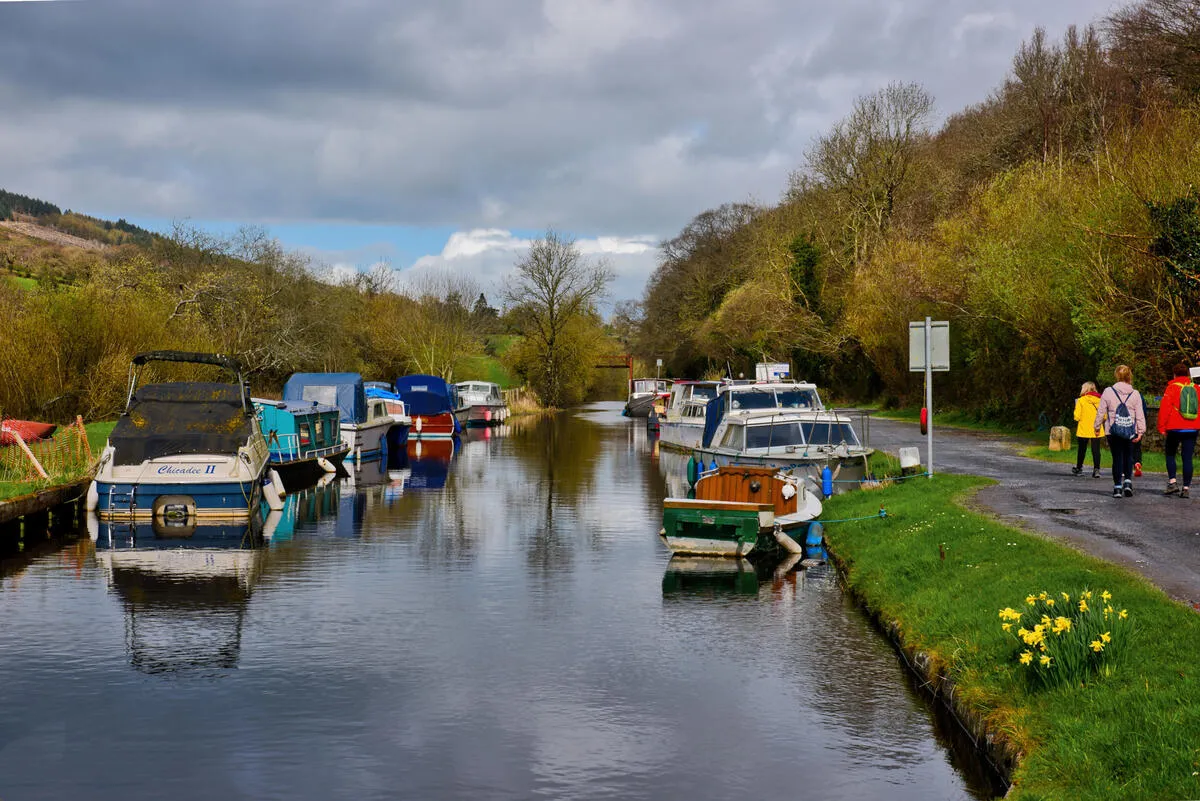
County Carlow
Ireland's second smallest county with Europe's largest dolmen capstone, one of the most beautiful gardens in the country, and a river towpath that is the best slow-travel route in Leinster. Carlow asks nothing of you except to slow down and pay attention.
Carlow is the second smallest county in Ireland and one of the least visited. It has no coastline, no mountains of note, and no single attraction that makes the bucket lists. What it has is the Barrow Valley - one of the most beautiful river valleys in Leinster, with a towpath walk and cycle route that runs from Athy to St Mullins through quiet countryside. It has Browne's Hill Dolmen, the largest capstone in Europe balanced on its portal stones for over five thousand years. And it has a handful of gardens, including Altamont, that rank among the best in Ireland.
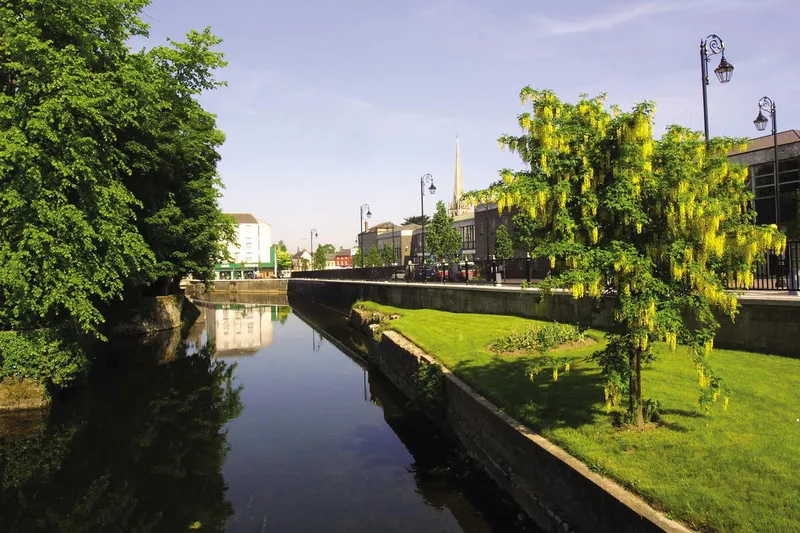
Carlow town is a university town with a growing food and craft scene. The surrounding countryside is rich farmland dotted with tower houses, ruined churches, and villages that tourism has entirely overlooked. This is a county for slow travel - walking the Barrow towpath, visiting Altamont on a May morning, and finding the dolmen in its field outside town. None of it is dramatic. All of it is rewarding.
Carlow is small enough to cover in a day. The Barrow towpath is the highlight and works for walking or cycling. Carlow town is walkable and has a train station with frequent Dublin services. Browne's Hill Dolmen is a five-minute drive from the town centre. Altamont Gardens are in the south of the county near Tullow. A car helps but the Barrow Way is the best way to experience the county.
Below you'll find my complete Carlow intelligence - where to base yourself, what's genuinely worth your time, and the practical stuff that the tourism brochures conveniently skip. Everything from first-hand experience.
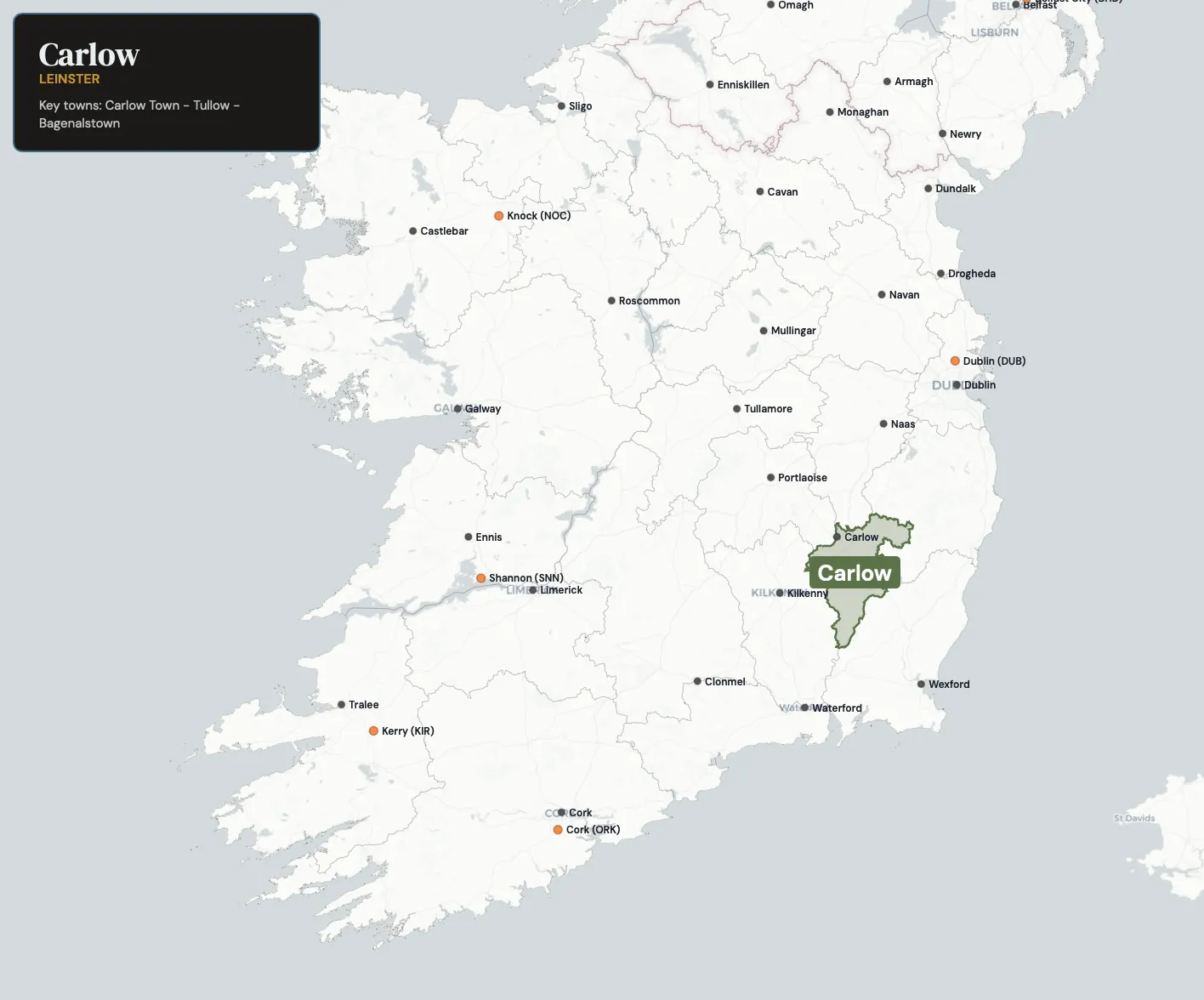
Where is County Carlow?
Signature Destinations
The places that make Carlow worth the drive. Arranged by genuine impact, not alphabetical order.
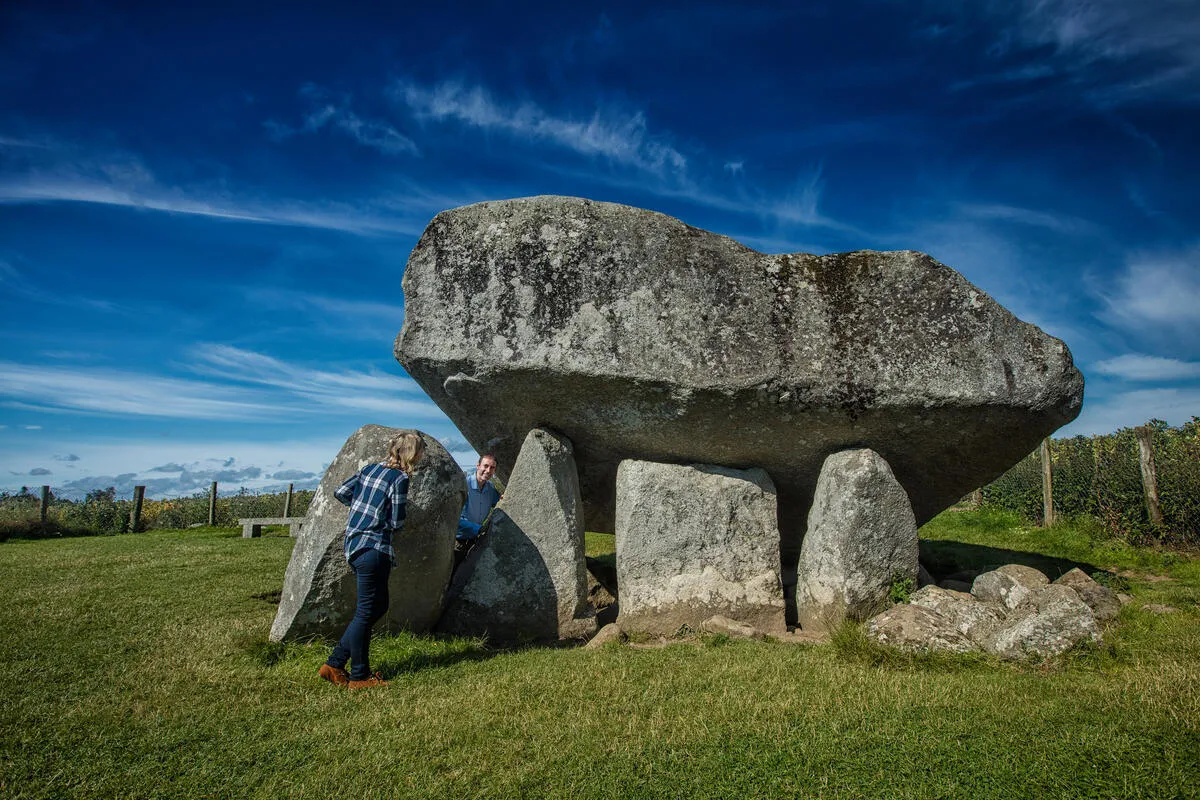
Heritage Full guide Browne's Hill Dolmen
A portal dolmen with the largest capstone in Europe - estimated at over 100 tonnes, balanced on its uprights for over 5,000 years. How the Neolithic builders moved it remains a genuine mystery. The dolmen sits in a field on the edge of Carlow town, accessed by a short path from the car park. Free, open access. A five-minute visit that stays in your mind much longer.
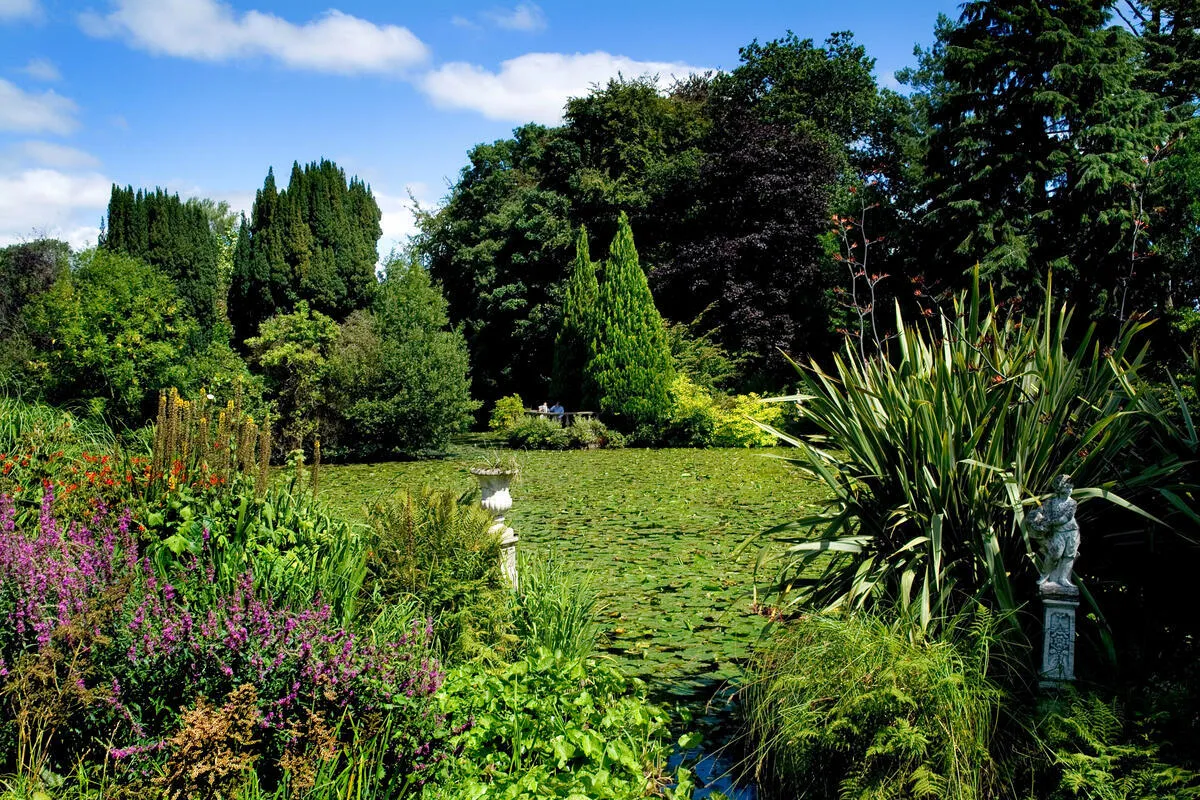
Gardens Full guide Altamont Gardens
One of the most beautiful gardens in Ireland, described by garden writer Robert Lloyd Praeger as 'the most enchanting garden in the country'. A mix of formal and wild planting cascading down to the River Slaney. The Ice Age Glen is remarkable - a natural ravine planted with shade-loving species. Free entry (OPW). Best in late spring when the azaleas and rhododendrons are in bloom.
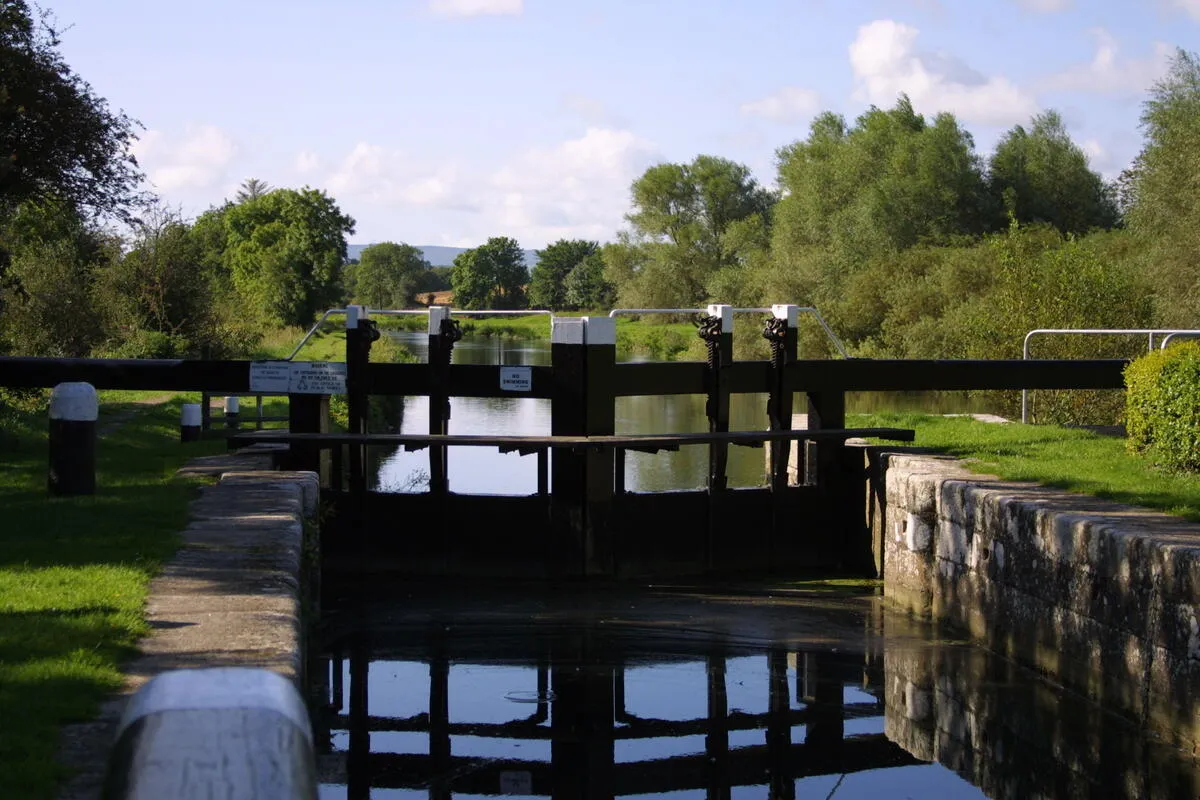
Trail Full guide The Barrow Way
A long-distance walking and cycling trail following the towpath of the River Barrow from Lowtown in Kildare to St Mullins in Carlow. The Carlow section from Bagenalstown to St Mullins is the most scenic stretch - the river widens, the valley deepens, and the villages get quieter. Flat, well-maintained, and ideal for cycling. St Mullins itself, where the Barrow becomes tidal, is a beautiful spot.
Heritage Village Full guide St Mullins
A tiny village at the tidal limit of the River Barrow with a monastic site, a motte, and a riverside setting that is one of the most peaceful spots in Leinster. The monastery was founded by St Moling in the 7th century. The heritage trail around the site takes about thirty minutes. The village has a pub and not much else, which is the entire point.
Where to Base Yourself
Carlow town for practicality and the dolmen. Bagenalstown for the Barrow Way and a quieter pace.
Carlow Town
The county town with a growing food and coffee scene driven by the university. The Visual Centre for Contemporary Art is worth a visit. Browne's Hill Dolmen is five minutes outside town. The Liberty Tree sculpture on the courthouse lawn commemorates the 1798 rebellion. A few good restaurants and pubs. Not picturesque but pleasant and functional.
Bagenalstown (Muine Bheag)
A small town on the Barrow that the founder attempted to model on Versailles - the ambition outstripped the budget, but the courthouse and a few buildings hint at what was planned. Good starting point for the Barrow Way south to St Mullins. Quieter than Carlow and more characterful.
Getting There & Around
From Dublin
About 1.5 hours via the M9 motorway. Fast and direct. Carlow is on the Dublin-Waterford corridor, well connected by road.
From Kilkenny
About 30 minutes via the N10. The two counties are natural partners - a Kilkenny-Carlow combination covers the best of the southeast.
By Train
Irish Rail runs Dublin to Carlow on the Waterford line. About 1 hour 10 minutes. The station is central. Bagenalstown also has a station on the same line.
By Bus
Bus Eireann and JJ Kavanagh run Dublin to Carlow frequently. About 1.5 hours. Good connections to Kilkenny and Waterford. The bus stop is central.
When to Visit
April through October all work well. Carlow is on the drier east coast. Altamont Gardens peak in late April and May. The Barrow Way is best from May to September for long evenings. The county never gets crowded.
Where to Stay
Accommodation is limited but good value. Carlow town has the most choice. The Barrow Valley has characterful B&Bs and country houses.
Lord Bagenal Inn, Leighlinbridge
A riverside hotel in the village of Leighlinbridge, on the Barrow between Carlow and Bagenalstown. The setting on the river is the main draw - the terrace overlooking the water is excellent. The restaurant is good. Walking distance to the Barrow Way. One of the most pleasant places to stay in the southeast.
Hotels
Limited. Carlow town has a couple of options. Lord Bagenal in Leighlinbridge is the most characterful hotel in the county. Expect modest but clean and affordable.
B&Bs
Several good countryside options, particularly along the Barrow Valley. Kilgraney House near Bagenalstown is excellent. Prices are very reasonable.
Self-catering
A few riverside and countryside cottages, mostly around the Barrow Valley. Ideal for walking or cycling holidays on the Barrow Way.
Finding Your Carlow Roots
Carlow sits on what was the edge of the Pale - the border between English-controlled Ireland and Gaelic territory. The 1798 rebellion hit the county hard, with a significant battle at Carlow town. The Kavanagh family (the MacMurrough Kavanaghs, kings of Leinster) held territory here for centuries. If your surname is Kavanagh, Murphy, Nolan, Byrne, or Doyle, the Carlow-Wexford border area is worth investigating.