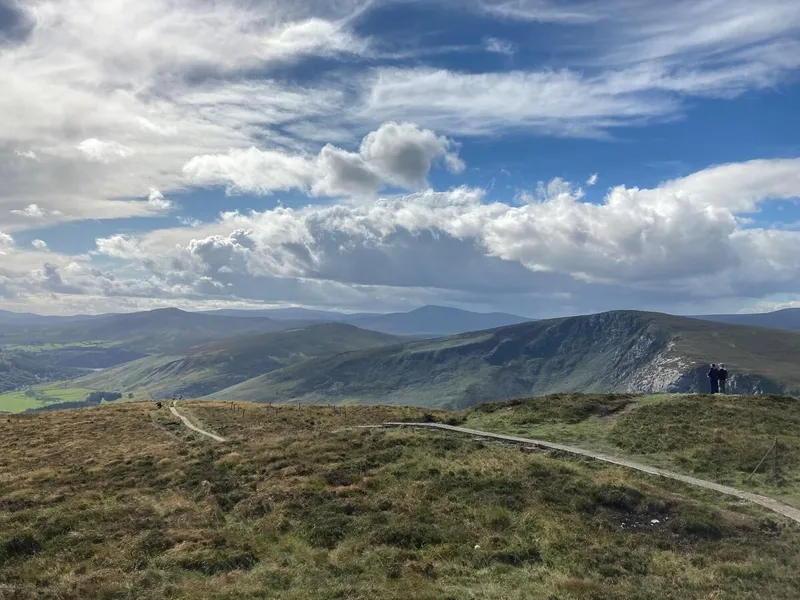
County Wicklow
They call it the Garden of Ireland and for once the brochure is underselling it. Glacial valleys, a monastic city older than most European capitals, mountain passes built to catch rebels, and a coastline you can reach on the suburban train from Dublin. All of it thirty minutes from the airport.
Wicklow is Dublin's escape valve. Half an hour south of the city centre the landscape flips entirely - from urban sprawl to empty mountain passes, monastic ruins in glacial valleys, and a coastline that would be famous if it were anywhere other than beside Dublin. They call it the Garden of Ireland and for once the marketing isn't lying.
The Wicklow Mountains are the real draw. Glendalough pulls the biggest crowds and deserves them, but the Military Road across the Sally Gap is the drive most visitors miss and shouldn't. The east coast from Bray to Arklow has beaches, harbour towns, and the DART runs as far as Greystones - making Wicklow genuinely accessible without a car, at least the northern end. The south of the county is quieter, more agricultural, and honestly less interesting unless you're into gardens (which, fair enough, Powerscourt and Mount Usher are world-class).
Wicklow's split personality catches people out. The north is accessible by DART and Dublin Bus. The mountains and Glendalough need a car or a day tour. There's no rail line through the interior and bus services to the mountain villages are thin to non-existent. If you're based in Dublin, a day tour to Glendalough is genuinely the easiest option.
Below you'll find my complete Wicklow intelligence - what's worth the trip from Dublin, what needs a car, and the practical logistics that turn a nice idea into an actual day out. All from repeated visits.
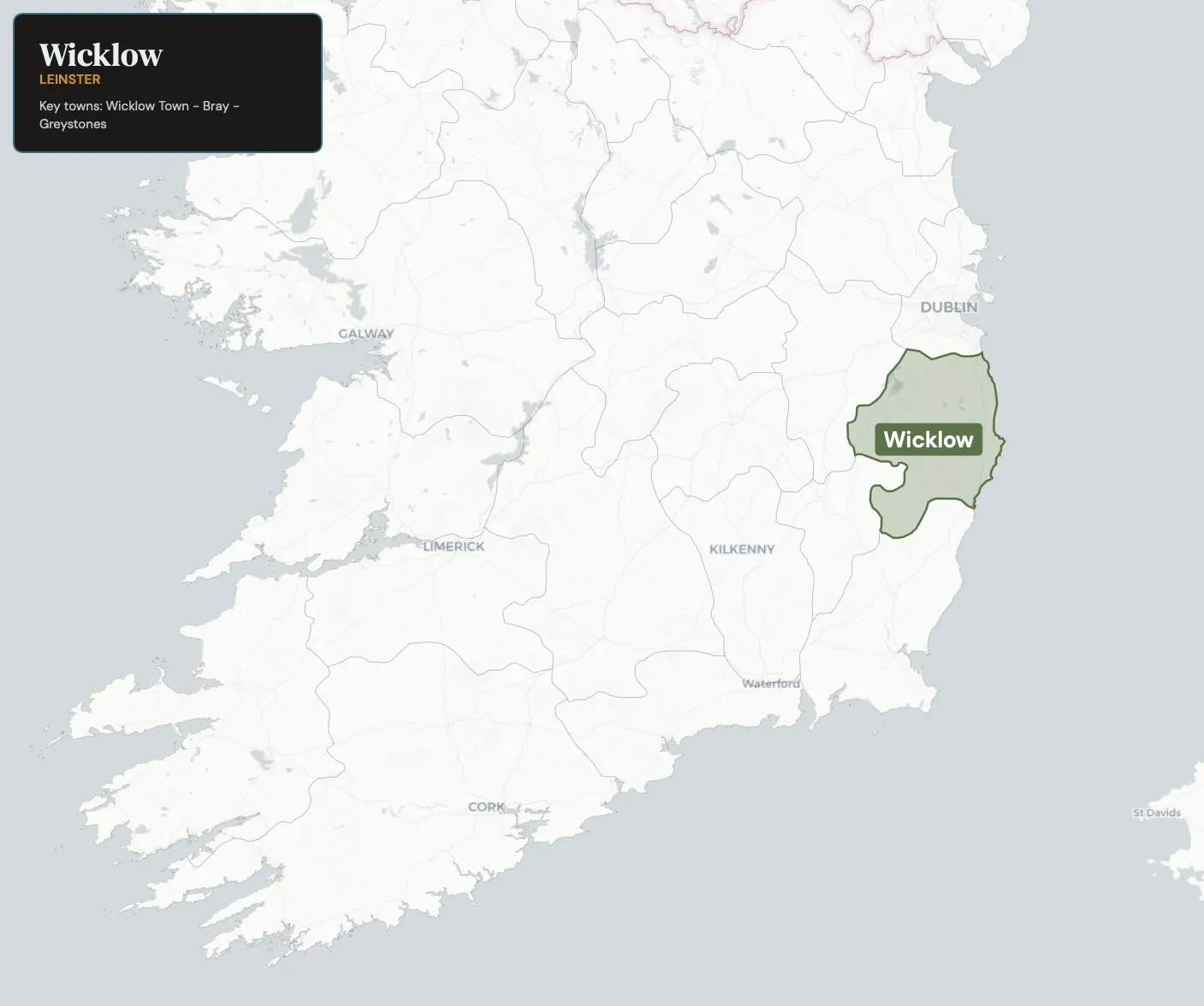
Where is County Wicklow?
Signature Destinations
The places that make Wicklow worth the drive. Arranged by genuine impact, not alphabetical order.
Monastic Site Full guide Glendalough
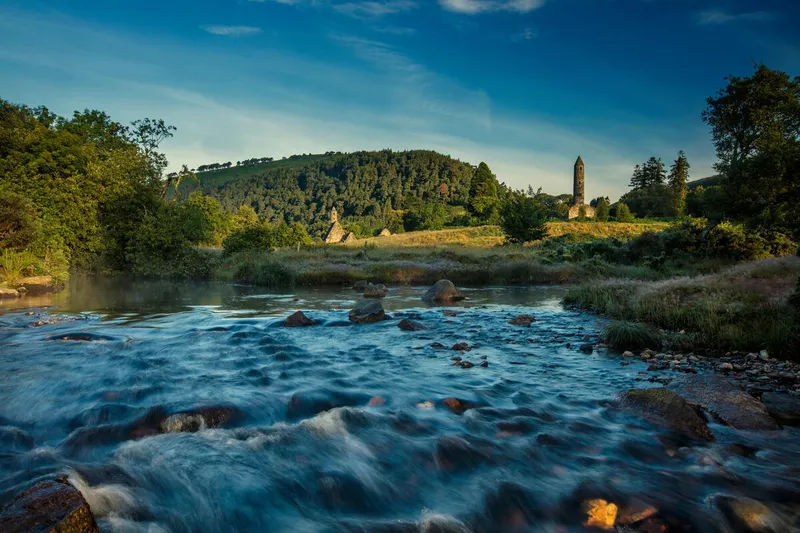
A 6th-century monastic settlement in a glacial valley with two lakes and a round tower that's become Ireland's most photographed ruin. It earns every superlative. Get there before 10am or after 4pm in summer - the coach tours arrive like clockwork midday.
Gardens Full guide Powerscourt Estate & Waterfall
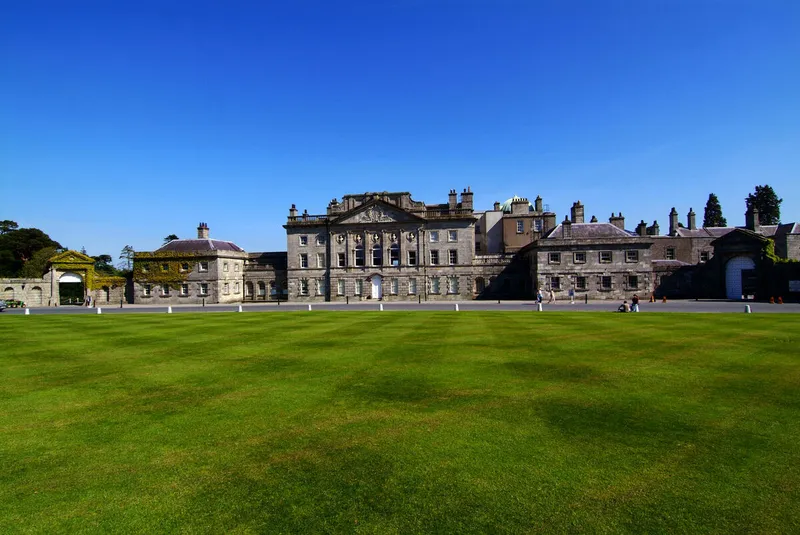
The gardens are genuinely among Europe's best - 47 acres of formal gardens, a Japanese garden, and a pet cemetery that's oddly moving. The waterfall is a separate entrance 6km away and at 121 metres is Ireland's highest. The house itself burned down in 1974 and the ground floor is now a shopping centre, which rather undermines the grandeur.
Drive Route Full guide Military Road & Sally Gap
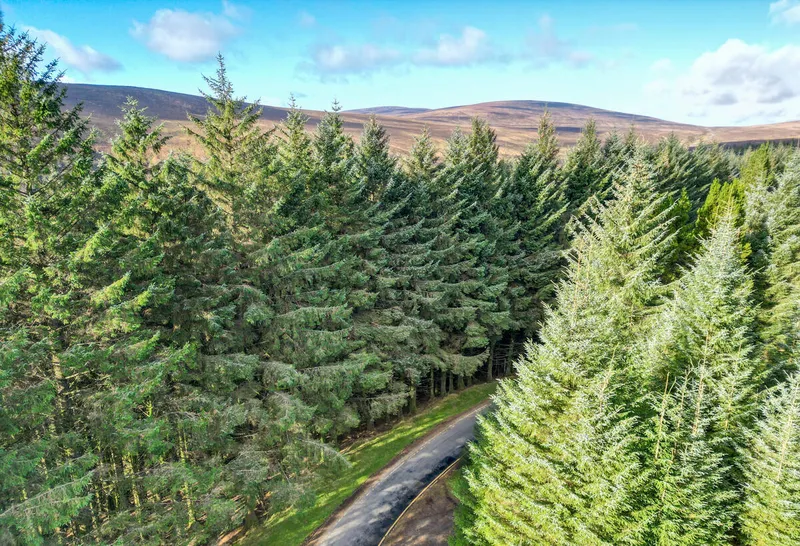
Built by the British army after the 1798 Rebellion to flush out rebels from the mountains. Now it's one of the best driving roads in Ireland - 30 miles of empty moorland, peat bog, and the kind of bleak beauty that makes you pull over repeatedly. The Guinness Lake (Lough Tay) viewpoint is the highlight.
Coastal Walk Full guide Bray to Greystones Cliff Walk
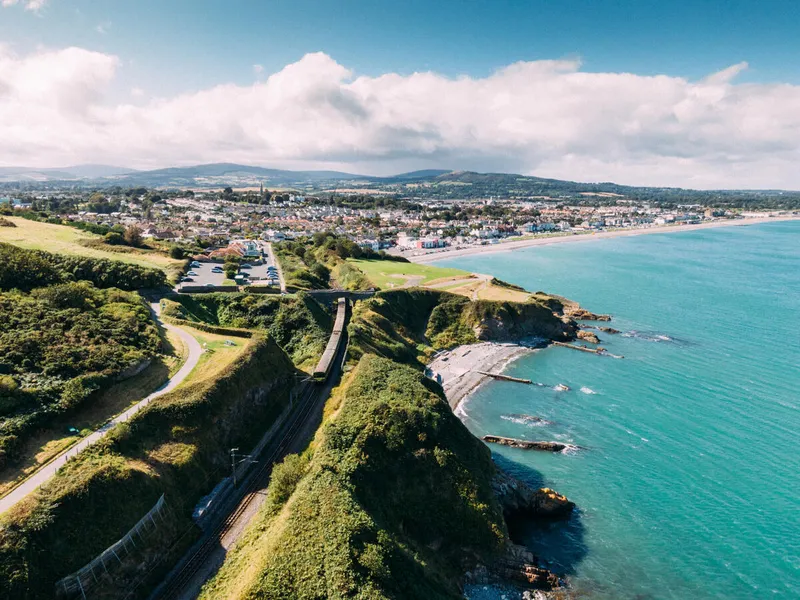
A 6km coastal path between two DART stations - take the train to Bray, walk the cliffs to Greystones, get the train back. The simplicity is the genius. Views across to Killiney Bay and out to the Irish Sea. Possibly Ireland's most accessible great walk.
Trail Full guide Wicklow Way
Ireland's oldest and most popular long-distance trail. 131km from Marlay Park in Dublin to Clonegal in Carlow. Most people do sections rather than the whole thing. The stretch through the mountains from Enniskerry to Glendalough is the best bit.
Where to Base Yourself
Donegal is big. Where you sleep determines what you can reasonably see. Choose based on what matters to you.
Bray
Wicklow's gateway town and a legitimate alternative to staying in Dublin. The DART takes 50 minutes to the city centre and you'll pay half the price for accommodation. The seafront promenade is Victorian-era, Bray Head gives mountain views, and there are decent restaurants now.
Enniskerry
A picturesque village at the gates of Powerscourt Estate. Small but has a few good cafes and pubs. Best position for accessing both the mountains and the coast, though you absolutely need a car if you're based here.
Wicklow Town
The county town is functional rather than charming. Good range of accommodation and services, decent harbour area, and it's central enough to reach both Glendalough and the coast. Not exciting, but practical.
Greystones
The last stop on the DART and arguably the nicest. A genuine working town with excellent restaurants, a small harbour, farmer's markets, and the cliff walk to Bray on its doorstep. Popular with Dublin commuters for a reason.
Getting There & Around
DART from Dublin
The DART runs to Bray and Greystones from Dublin city centre. Bray is 50 minutes from Connolly, Greystones another 10 minutes. This is genuinely the best way to access northern Wicklow without a car. Frequent service, Leap Card accepted.
From Dublin by Car
The M11 motorway gets you to Wicklow Town in 45 minutes. For Glendalough, take the N11 then cut inland on the R755 - about an hour total. The Military Road route via Enniskerry is slower but far more scenic.
Bus Services
St Kevin's Bus runs Dublin to Glendalough daily (1.5 hours, roughly 13 euro one way). Bus Eireann 133 covers the coast road to Wicklow Town and Arklow. Beyond that, you're in car territory.
Day Tours from Dublin
If you don't have a car, a day tour to Glendalough and the Wicklow Mountains is genuinely the most practical option. Multiple operators run daily, typically combining Glendalough with the Sally Gap. About 8 hours, 30-45 euro.
When to Visit
May through September is the main season. The mountains are best in May and June when the heather hasn't browned and the evenings stretch to 10pm. Glendalough is beautiful year-round but the car park floods on wet winter days. October brings autumn colour that rivals New England - though nobody markets it.
Where to Stay
Wicklow accommodation is more affordable than Dublin but thinner on the ground, especially in the mountain interior. Northern Wicklow on the DART line offers the best of both worlds.
BrookLodge & Macreddin Village, Macreddin
A complete village built around a hotel in the Wicklow Mountains - organic pub, microbrewery, spa, and a chapel. It sounds gimmicky and isn't. The food is genuinely excellent and the setting is properly remote. Good base for southern Wicklow and the Wicklow Way.
Hotels
Concentrated in Bray and Wicklow Town. Powerscourt Hotel is the standout luxury option. Elsewhere it's mostly smaller 3-star properties.
B&Bs
Strong B&B culture, particularly around Glendalough and the mountain villages. Book ahead in summer - there aren't many beds in the interior.
Self-catering
Good range of holiday cottages in the mountains and along the coast. Ideal for a week-long walking holiday. Brittas Bay area has seaside options.
Finding Your Wicklow Roots
Wicklow's emigration patterns followed the post-Famine trend, but the county also had earlier waves tied to the dispossession of Gaelic Irish by English settlers in the Pale. The O'Byrne and O'Toole clans held the mountains for centuries after the lowlands were taken - the Military Road exists because they were still raiding into Dublin in the 1790s.