County Fermanagh
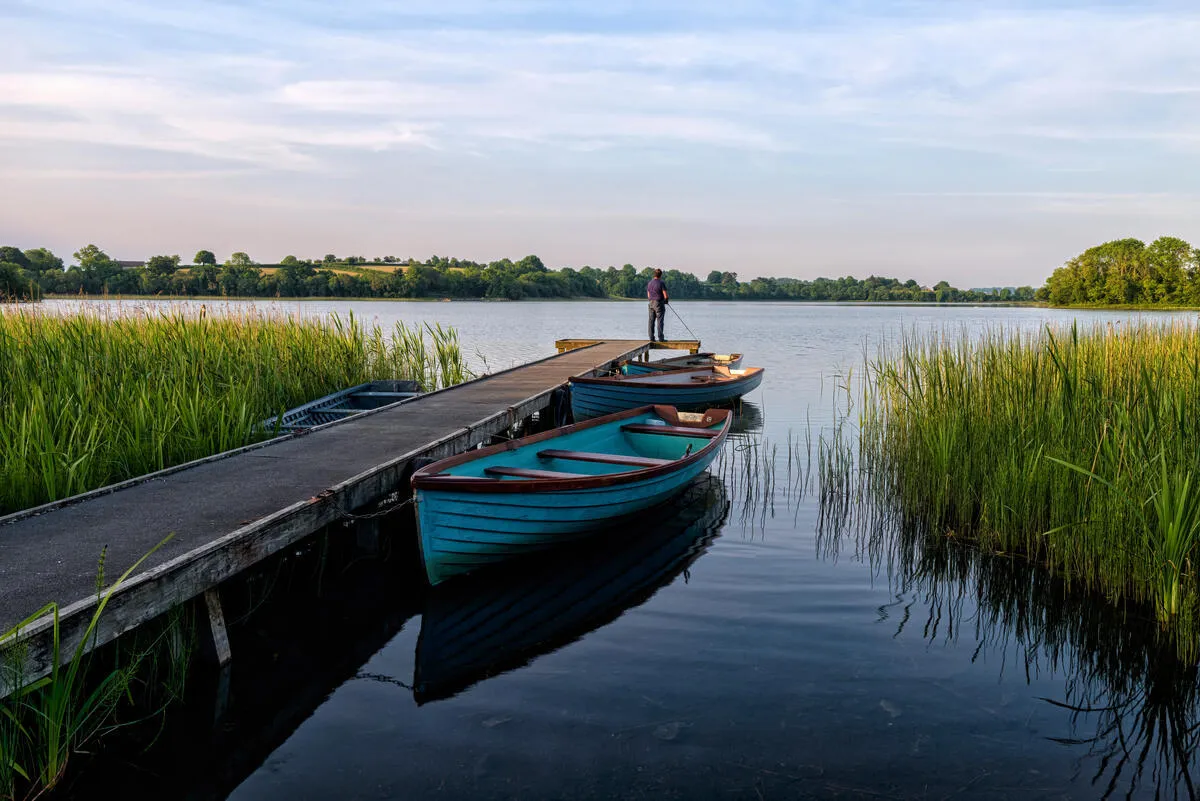
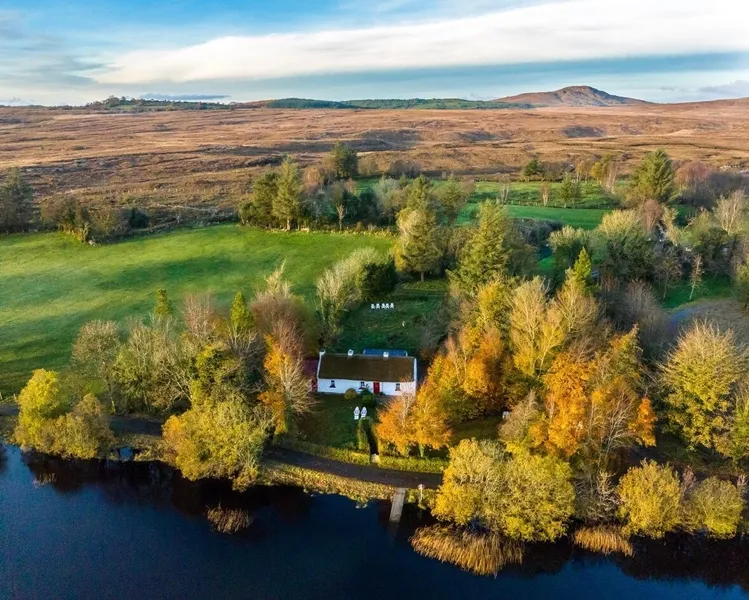
Ireland's lakeland - a county where water dominates everything. Upper and Lower Lough Erne wind through the landscape with over 150 islands between them, holding monastic ruins, enigmatic stone figures, and some of the finest cruising and fishing in Europe. Enniskillen sits on its island in the middle of it all, and the Marble Arch Caves run beneath.
Fermanagh is the lakeland county - a place where water and land negotiate constantly and water usually wins. Upper and Lower Lough Erne dominate the landscape, stretching through the centre of the county and dotted with islands that hold monastic ruins, plantation castles, and in one case, a pair of mysterious stone figures that nobody can fully explain. The county feels like it belongs to the west of Ireland more than to Northern Ireland, and the border - which winds through and around the lakes - reinforces that sense of being between places.
Enniskillen, the county town, sits on an island between the two loughs and is one of the most attractive small towns in the north. The Marble Arch Caves are a world-class show cave. Florence Court and Castle Coole are two of the finest country houses in Ireland. And the cruising on Lough Erne - self-drive hire boats moving slowly through a landscape that barely registers you are there - is one of the most underrated experiences on the island.
Fermanagh is a water county. If your idea of a holiday involves boats, fishing, kayaking, or simply being near lakes, this is your place. Enniskillen is the only town of any size. The rest is lakeside and countryside. You need a car. The Shannon-Erne Waterway connects Fermanagh to Leitrim and the Shannon system, so cruising is a serious option for exploring the county.
Below you'll find my complete Fermanagh intelligence - where to base yourself, what's genuinely worth your time, and the practical stuff that the tourism brochures conveniently skip. Everything from first-hand experience.
Where is County Fermanagh?
Signature Destinations
The places that make Fermanagh worth the drive. Arranged by genuine impact, not alphabetical order.
Lake Full guide Lough Erne
Two connected loughs running through the heart of Fermanagh, with over 150 islands between them. Lower Lough Erne is the bigger, more dramatic lake - open water, cliff faces, and islands with monastic ruins. Upper Lough Erne is a maze of interconnected waterways and wooded islands. Cruising, kayaking, or simply driving along the shores are all rewarding. The loughs define the county.
Natural Wonder Full guide Marble Arch Caves
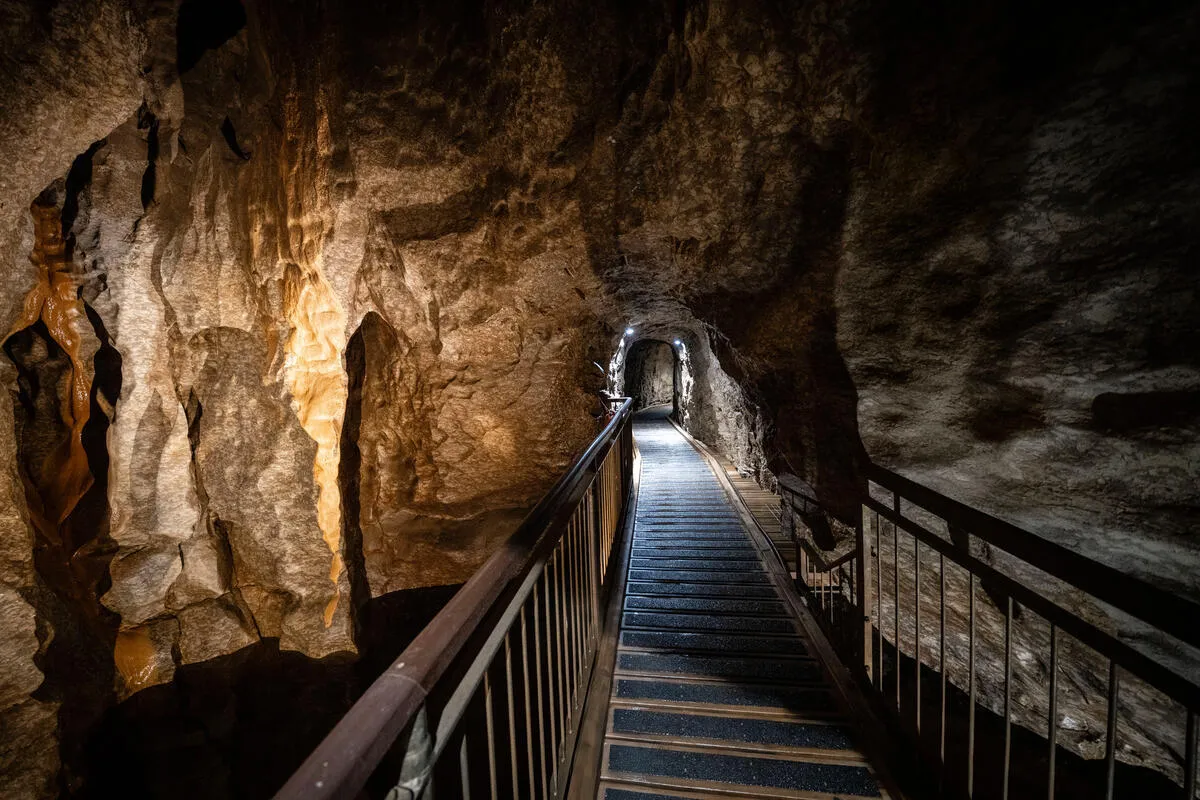
A show cave system accessed by underground boat through illuminated passages. The formations are genuinely spectacular - stalactites, stalagmites, flowstone, and a waterfall inside the cave. One of the best caves open to the public in these islands. Tours take about 75 minutes. The cave can close after heavy rain when water levels rise, so check before travelling.
Heritage Full guide Devenish Island
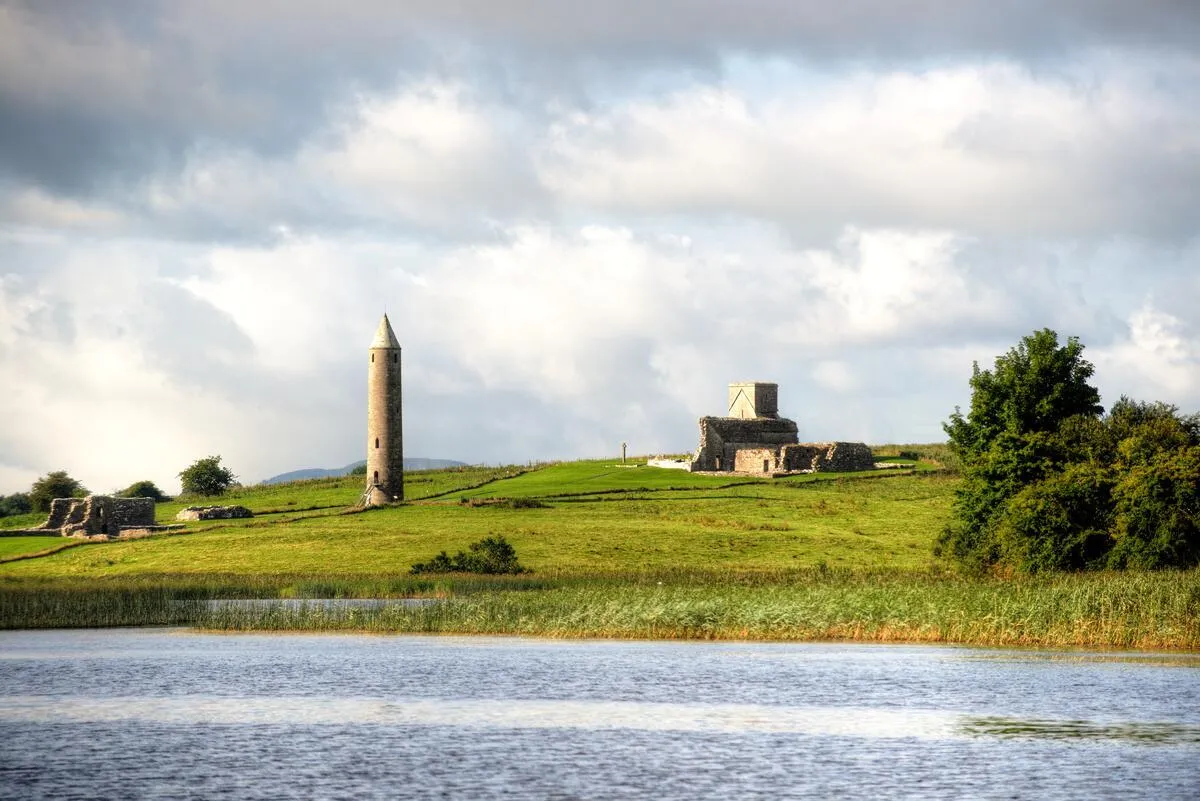
A monastic island in Lower Lough Erne with one of the most complete round towers in Ireland, Augustinian abbey ruins, and a high cross. Accessed by ferry from Trory Point (seasonal). The tower is in remarkable condition and the setting on the lake is atmospheric. Allow a couple of hours including the crossing. One of the finest monastic sites in Ulster.
Heritage Full guide Castle Coole
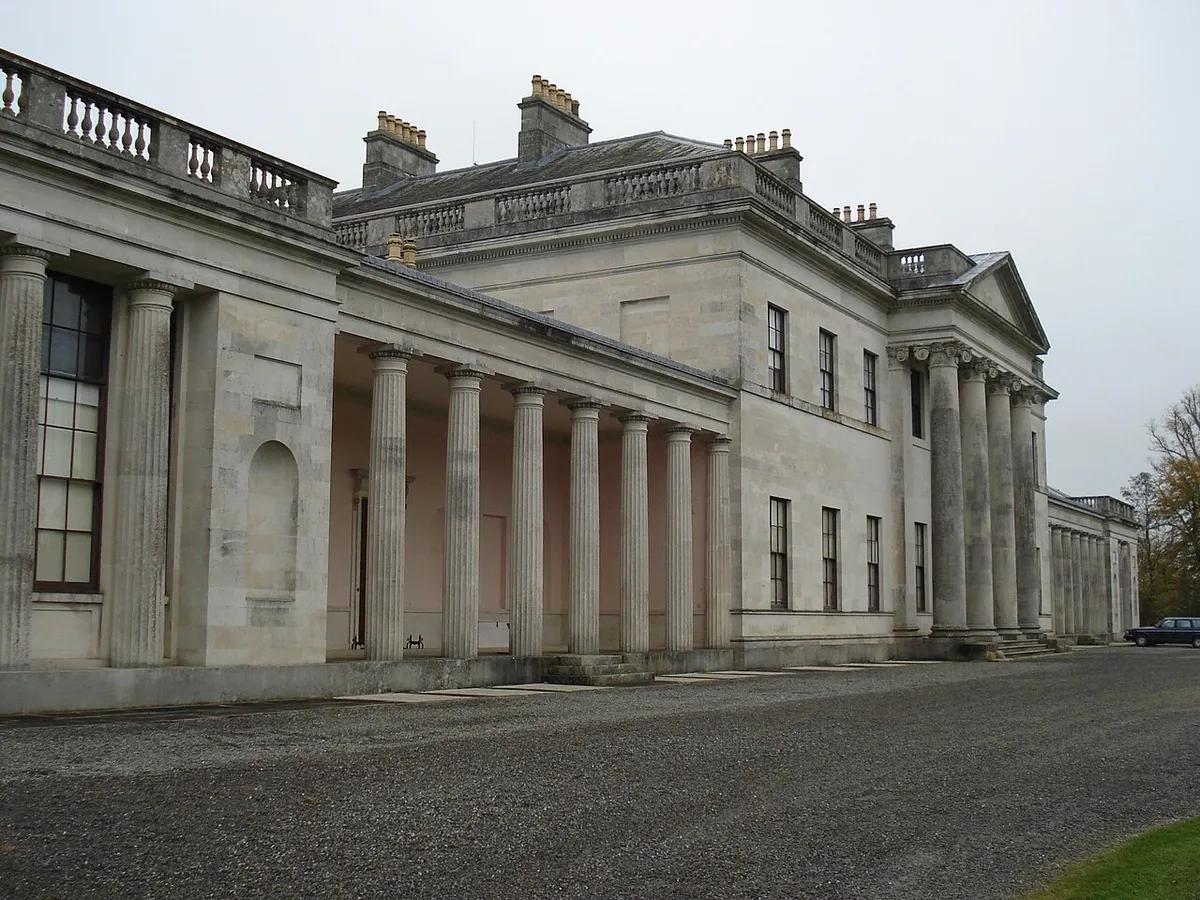
A Palladian mansion on the edge of Enniskillen that is considered one of the finest neo-classical houses in Ireland. Designed by James Wyatt and built between 1789 and 1798 with Portland stone shipped from England. The interior is immaculate. The parkland has a colony of greylag geese that have been here since the 17th century. National Trust, entrance fee for the house.
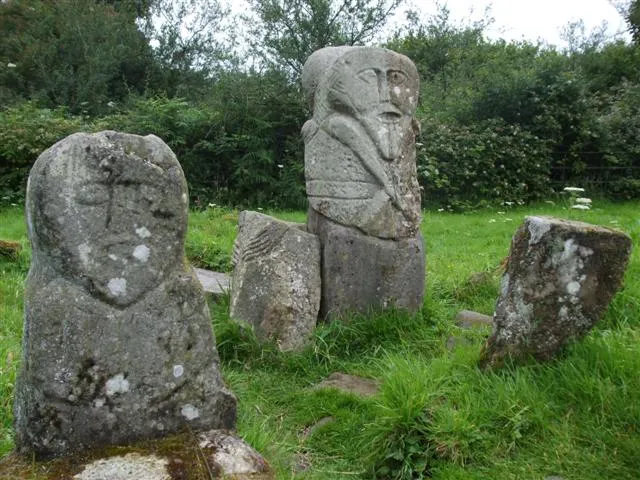
Heritage Full guide Boa Island Janus Figures
Two enigmatic stone figures on Caldragh cemetery, Boa Island, in Lower Lough Erne. The double-faced Janus figure and the Lusty More figure are pre-Christian, possibly Iron Age, and nobody is entirely sure what they represent. The cemetery is atmospheric, the figures are haunting, and the whole experience takes about fifteen minutes, which is somehow exactly right.
Where to Base Yourself
Enniskillen is the only real base with services and accommodation range. Belleek for the western lake. Lisnaskea for the quieter upper lake and fishing.
Enniskillen
The county town, built on an island between the two loughs. Enniskillen Castle houses the county museum and the Inniskillings regimental museum. The Buttermarket craft centre, a few good restaurants, and a pleasant main street. The town punches above its weight for nightlife and food. Everything in the county is within forty minutes.
Belleek
Famous for Belleek Pottery, which has been producing distinctive parian china here since 1857. The factory tour is worth doing. The village sits at the point where Lower Lough Erne narrows into the River Erne and crosses into Donegal. Small and quiet, with limited accommodation, but atmospheric.
Lisnaskea
A market town on Upper Lough Erne that serves as a base for the lake's maze of islands and waterways. Less touristy than Enniskillen and significantly quieter. Good for fishing, kayaking, and exploring the upper lake. Castle Balfour in the town centre is worth a look.
Getting There & Around
From Dublin
About 2.5 hours via the N3/A509 through Cavan, or via the M1 and A4 through Dungannon. The Cavan route is shorter. Both cross the border without incident. The final approach into Enniskillen is through attractive lakeland countryside.
From Belfast
About 2 hours via the M1 and A4 through Dungannon. Straightforward driving. The A4 is well-maintained and runs directly to Enniskillen.
From Donegal
About 1.5 hours from Donegal town via the N15 and A46 through Ballyshannon and Belleek. Fermanagh is the natural partner county for a Donegal trip - the border between them is porous and the landscapes complement each other.
By Bus
Translink Goldline runs Belfast to Enniskillen regularly, about 2 hours. Bus Eireann connects Dublin to Enniskillen via Cavan. The bus station is central. No train station in the county - the nearest rail is Sligo or Portadown.
When to Visit
May through September for the best lake conditions. Cruising season runs from April to October. The Marble Arch Caves are weather-dependent - heavy rain can close them at short notice, so always check ahead. Fermanagh gets more rain than the east coast but the lakes are beautiful in any weather.
Where to Stay
Lough Erne Resort sets the luxury standard. Enniskillen has the widest range. Lakeside B&Bs and self-catering cottages are the heart of the Fermanagh accommodation experience.
Lough Erne Resort, Enniskillen
Set on a peninsula between two channels of Lough Erne, this is where the G8 leaders stayed in 2013 and the setting explains why it was chosen. Two golf courses, a Thai-inspired spa, and views across the lake from every angle. Not cheap, but it is one of the finest resort hotels in Ireland. The Nick Faldo course is championship standard. Midweek and off-season rates bring it within reach.
Hotels
Lough Erne Resort is the luxury standout and hosted the 2013 G8 summit. Enniskillen has a few good mid-range options. Beyond Enniskillen, expect lakeside guesthouses.
B&Bs
Lakeside B&Bs are the Fermanagh speciality. Several excellent options around both loughs. The hosts tend to be generous with local knowledge and fishing tips.
Self-catering
Excellent range of lakeside cottages and holiday homes, particularly on the shores of Lower Lough Erne. The Share Holiday Village on Upper Lough Erne is good for families. Cruiser hire is also available for floating accommodation.
Finding Your Fermanagh Roots
Fermanagh was Maguire country - the Gaelic lords who controlled the waterways and built castles on the lake islands. Enniskillen Castle was their stronghold. The plantation brought English and Scottish settlers, creating the mixed community that the county has today. Emigration was significant, particularly to North America and Australia. If your surname is Maguire, McManus, Corrigan, Cassidy, or Reilly, the Fermanagh connection is strong.