County Dublin
Everyone lands here and most leave too quickly. Ireland's capital is expensive, chaotic, and occasionally maddening - but it's also where 800 years of contested history sits on every street corner, where the DART coastal line rivals any scenic railway in Europe, and where the real Ireland is hiding ten minutes from the tourist trail.
Most visitors treat Dublin as a two-night layover before heading west, and that's a mistake in both directions. Two nights isn't enough to get past the Temple Bar stag-party veneer, and heading west without understanding what Dublin actually is means missing the context for everything else you'll see in Ireland. This is where the money is, where the history concentrates, and where modern Ireland argues with itself most loudly.
The county is small but dense. Within 30 minutes of O'Connell Street you've got the Hill of Howth with its cliff walks, Malahide Castle and its 800 years of one-family ownership, the Wicklow Mountains creeping in from the south, and Dalkey - where half of U2 lives and the DART ride alone justifies the trip. The problem isn't finding things to do. It's that Dublin is brutally expensive, accommodation is dire value for money, and navigating it requires different skills than the rest of Ireland.
Dublin hotels are genuinely overpriced - you will pay 200-350 euro a night for a room that would be 120 anywhere else in Ireland. The DART suburban rail is excellent for the coast; the Luas tram covers the city centre. Skip taxis if you can. Traffic is appalling.
Below you'll find my complete Dublin intelligence - where to base yourself, what's genuinely worth the elevated prices, and the practical stuff that first-timers always get wrong. Everything from repeated visits over 20 years.
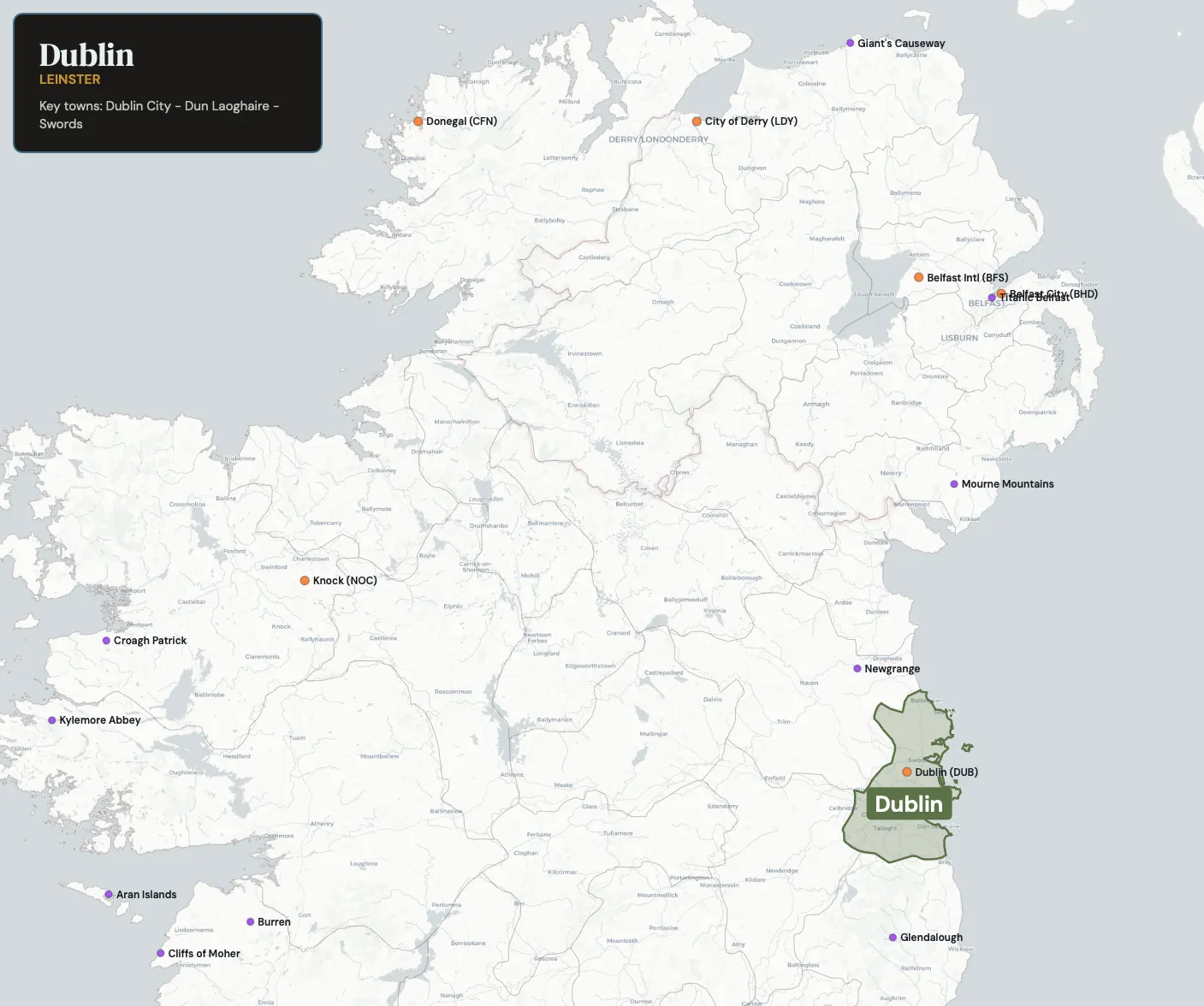
Where is County Dublin?
Signature Destinations
The places that make Dublin worth the drive. Arranged by genuine impact, not alphabetical order.
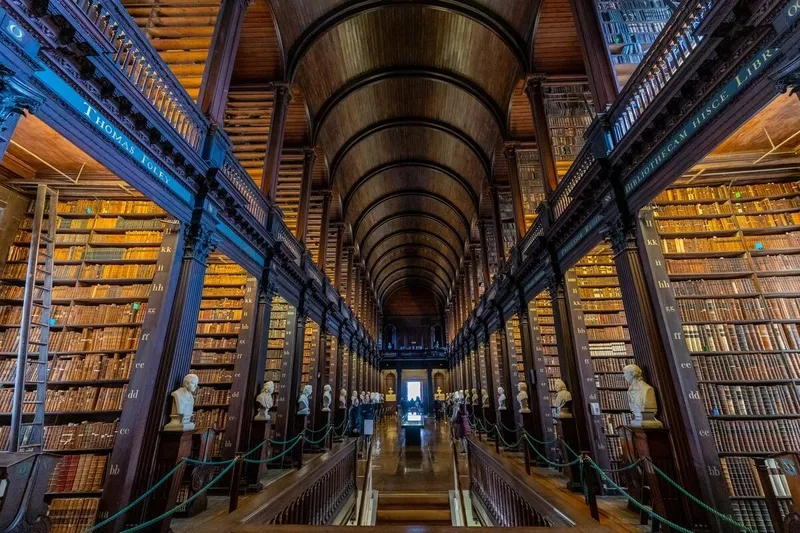
Historic Full guide Trinity College & the Book of Kells
Timed tickets are essential now - the days of walking in are over. The Long Room library is genuinely breathtaking, one of the few places that lives up to every photo you've seen. Budget 90 minutes and go early.
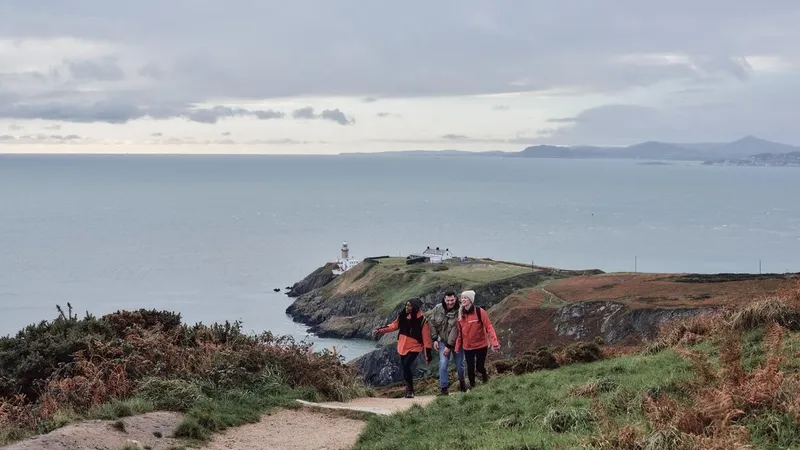
Coastal Walk Full guide Howth Head & Cliff Walk
The single best free thing to do in Dublin. Take the DART to Howth, walk the cliff path loop (6km, 2 hours), eat fish and chips at the harbour. Simple, brilliant, and most visitors somehow miss it entirely.
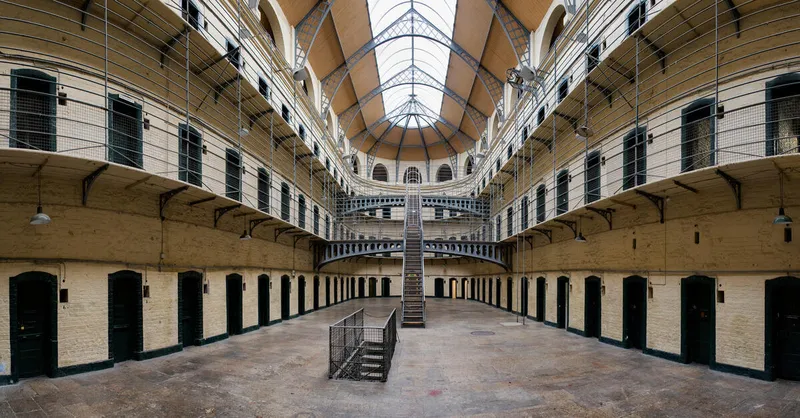
Museum Full guide Kilmainham Gaol
If you visit one museum in Ireland, make it this one. The guided tour through the prison where the 1916 Rising leaders were executed will reshape your understanding of Irish history. Book online - it sells out daily.
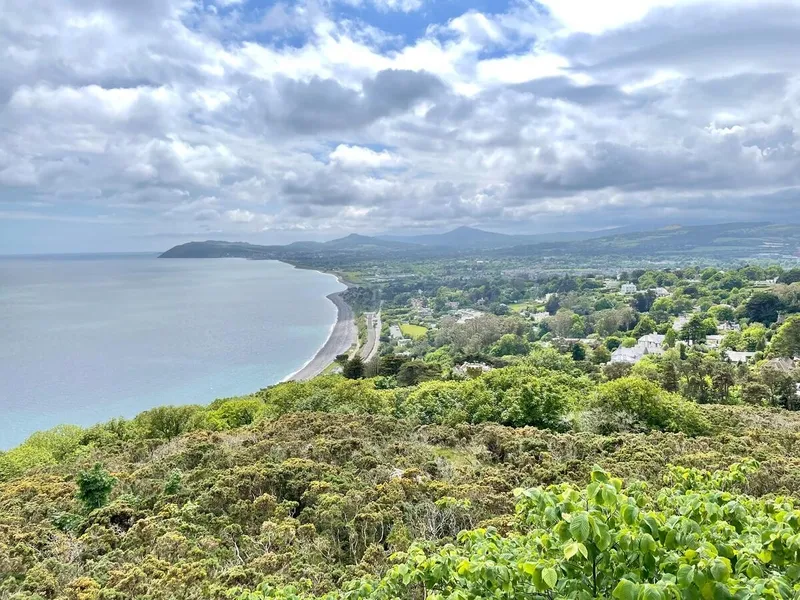
Village Full guide Dalkey & Killiney Hill
Take the DART south to Dalkey village, walk up Killiney Hill for views that earned it the nickname 'the Bay of Naples', then wander back through the village for dinner. This is where affluent Dublin lives and the quality shows.
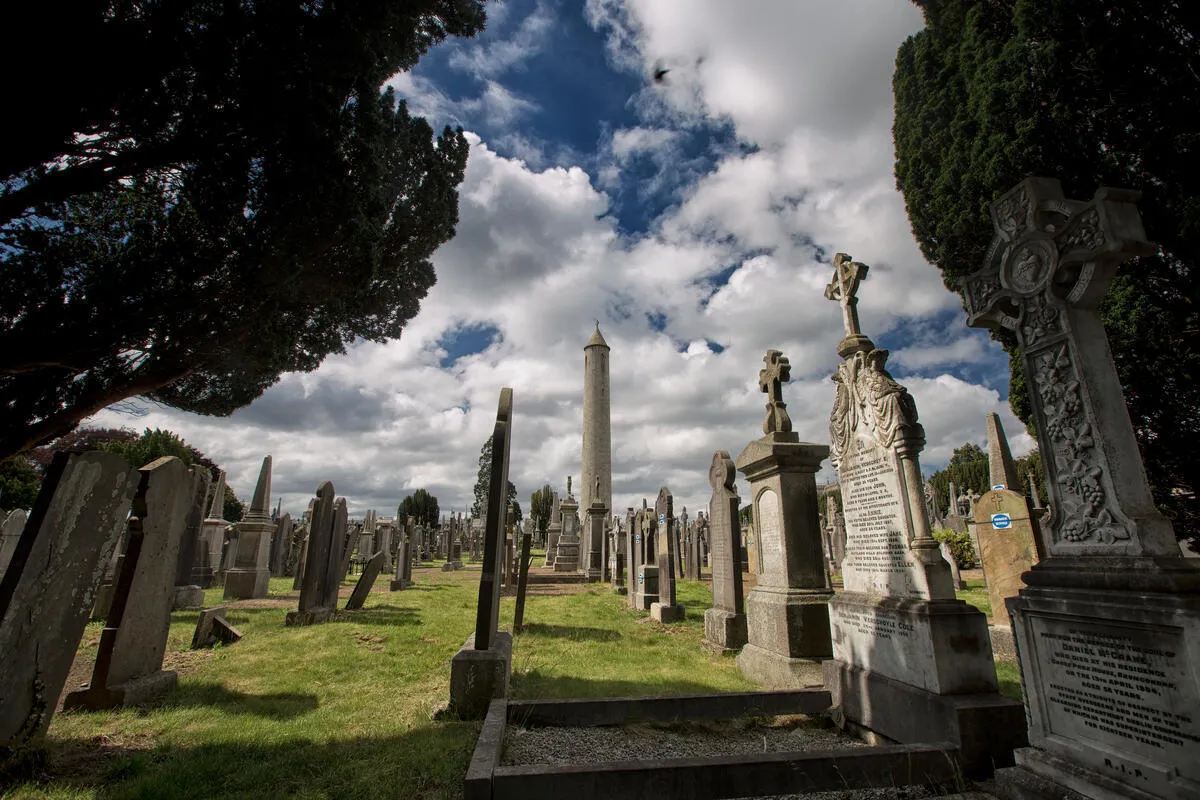
Heritage Full guide Glasnevin Cemetery & Museum
Ireland's national necropolis - O'Connell, Parnell, Collins, de Valera, they're all here. The guided tours are exceptional and the museum gives you the political history that makes the rest of Ireland make sense. Underrated.
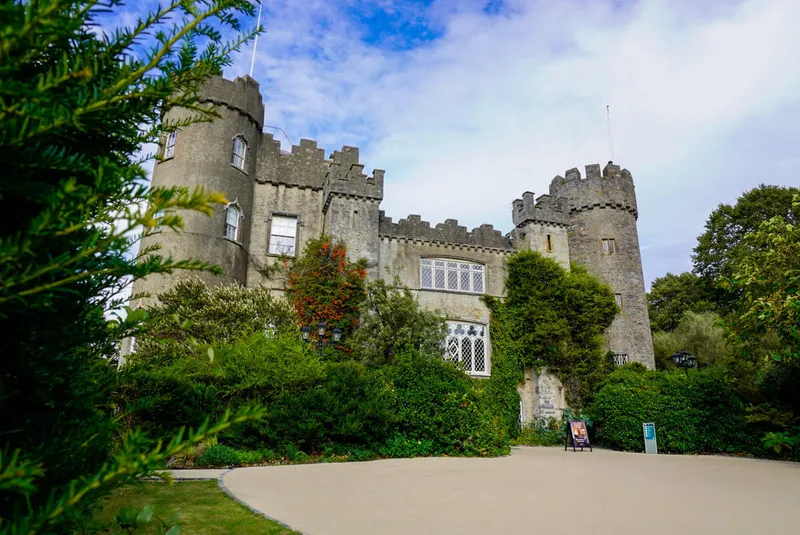
Castle Full guide Malahide Castle
Lived in by one family for 791 years before the state acquired it. The castle tour is good but the real draw is the grounds and the Avoca cafe. Easily combined with a walk around Malahide village. 25 minutes on the DART from the city.
Where to Base Yourself
Donegal is big. Where you sleep determines what you can reasonably see. Choose based on what matters to you.
Dublin City Centre
The obvious base and it works for short stays. Stay between the canals (north and south of the Liffey) for walkability. Temple Bar is for tourists and stag parties - the real Dublin is in Stoneybatter, Rathmines, and Portobello.
Howth
A fishing village at the end of the DART line with cliff walks, seals in the harbour, and some of the best seafood near Dublin. 25 minutes from Connolly Station. Feels like a different country from the city centre.
Dun Laoghaire
The old ferry port has reinvented itself nicely. Long pier walks, the Pavilion theatre, decent restaurants. Good value accommodation compared to the city centre with a 20-minute DART ride to get in.
Malahide
North Dublin's nicest village. The castle and grounds are excellent, the village has good restaurants, and it's a far more pleasant base than anywhere near the airport. DART connection to the city.
Getting There & Around
Dublin Airport (DUB)
Ireland's main international hub. Two terminals - T1 for most airlines, T2 for Aer Lingus and some transatlantic. The 747 and Aircoach buses run to the city centre every 10-15 minutes, 30-40 minutes journey, 7-8 euro. Taxis cost 25-35 euro fixed.
Connolly & Heuston Stations
Dublin has two main railway stations and they serve different directions. Connolly for Belfast, Sligo, Rosslare, and the DART coastal line. Heuston for Cork, Limerick, Galway, Killarney, and Waterford. They're connected by the Luas red line tram.
The DART
Dublin's coastal rail line runs from Malahide/Howth in the north to Greystones in the south. It's the single most useful piece of public transport in the county. Runs every 10-20 minutes and covers Howth, Dun Laoghaire, Dalkey, Killiney, and Bray.
Dublin Bus & Luas
Leap Card is essential - buy one at the airport or any Spar. The Luas tram has two lines (red and green) that don't connect at the same stop, which confuses everyone. Dublin Bus covers the suburbs. Google Maps handles real-time Dublin transit well.
When to Visit
April through June is the sweet spot - longer evenings, manageable crowds, and hotel prices that are merely painful rather than obscene. September is excellent too. July and August bring peak prices and cruise ship crowds. December has Christmas markets and atmosphere but short days.
Where to Stay
Dublin accommodation is Ireland's biggest rip-off. Budget accordingly and consider basing outside the city centre on the DART line for better value.
The Shelbourne, St Stephen's Green
Where the Irish Constitution was drafted, overlooking the best park in Dublin. If you're going to overpay for a Dublin hotel - and you will - at least overpay for one with 200 years of history. The Lord Mayor's Lounge afternoon tea is the most civilised thing in the city.
Hotels
Massive range from hostels to five-star, but pricing is punishing. Expect 200+ euro a night for anything decent in the city centre. Booking.com and the hotel's own site often have different prices - check both.
B&Bs
Fewer traditional B&Bs in Dublin than elsewhere in Ireland. Drumcondra and Glasnevin have some good options within bus distance of the centre.
Apartments
Often better value than hotels for stays of 3+ nights. Check Booking.com for serviced apartments. Avoid anything that looks like an Airbnb-converted bedsit.
Finding Your Dublin Roots
Dublin's emigration story is different from the rural west. This was the departure point - the ships left from the Liffey quays and later from Dun Laoghaire. The city's genealogical resources are Ireland's best, concentrated in a few key institutions.